
Call center outsourcing prices: What you need to know


How much are call center outsourcing prices?
Call center outsourcing prices usually run from about $8 to $14 per hour in the Philippines and roughly $20 to $30 per hour in the USA and Canada.
- Location, agent count, and service type drive the final cost.
- Providers bill by the hour, per minute, per call, or by a flat monthly fee.
- Some fees, like turnover training, should never land on your bill.
The business process outsourcing (BPO) industry has grown fast in recent years. One of its most popular services is call center support.
Outsourcing call center services can help businesses save money and work better. In addition, firms gain the skills of trained agents who handle questions and give quality service.
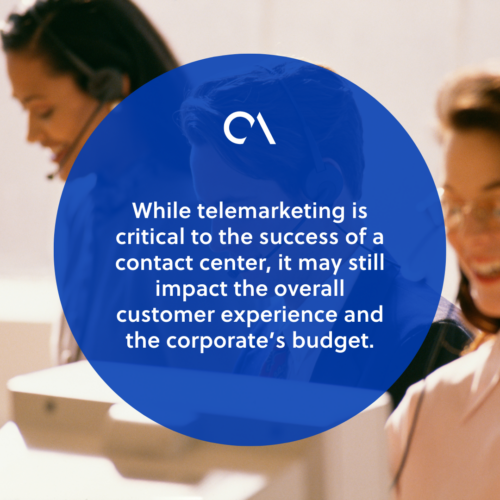
While telemarketing is key to a contact center, it can still affect the customer experience and the company’s budget. So it pays to plan spending with care.
This article covers what you need to know about call center outsourcing prices. First, you will learn the cost and fee structure. Next, you will see inbound and outbound rates. Finally, you will find out what you should not pay for.
How much does it cost to outsource a call center?
Time Doctor’s report shows that inbound call center outsourcing prices in the USA and Canada range from $20 to $30 per hour.
Meanwhile, it costs only $8 to $14 per hour to outsource in Asian countries like the Philippines. As a result, many firms look offshore first.
So call center outsourcing prices can vary a lot. In short, they depend on the center’s location, the number of agents, and the type of service.
When you review call center outsourcing prices, also check service quality. For example, a good outsourced call center should offer smooth operations, strong service, and reliable tech. To compare providers, it helps to review the call center services you can offshore.
Call center outsourcing prices: Breakdown
Today, most services can be shaped to fit your needs. In addition, most providers offer a free quote for a clear breakdown of fees.
Some contact centers charge a fixed monthly fee. Others bill based on how much time agents spend talking with customers.
Typically, the fee covers the following:
- Equipment
- Operations
- Staff
- Monitoring
- Reporting
So before you outsource, keep in mind that call center outsourcing prices vary by service. Here is the full breakdown of call center outsourcing prices:
Ongoing rates
Among other call center outsourcing prices, an ongoing rate fits any business size. This is because its charges stay flexible.
There are typically two types of ongoing rates:
- Hourly rate – you pay based on how many hours you use the service.
- Fixed-price – you pay set charges that often match a KPI. Depending on your deal with the call center, this may be time, sales, or something else. In addition, this fixed pricing model bills monthly or yearly.
One-off fees
Among other call center outsourcing prices, one-off fees need careful thought. This is true above all when you work with a new call center agency.
Typical one-off fees charged by call centers include:
- Set-up fee. This covers the software and tools the call center must buy before they start work for you.
- Training fee. The number of agents can change per season. Call centers see steady turnover, and training costs cover coaching for new hires.
However, a fair contact center will not charge a training fee for its own turnover. As a rule, this cost applies only if you want to add more agents.
Markup fees
A markup is a percentage added to the cost of a service. In other words, the seller’s profit comes from the premium over the base price.
In a pure staffing model, your staffing vendor marks up a percentage cost on top of the pay rate.
For example, say your provider pays agents $15 per hour and charges a 40% markup. Then you can expect to pay $21. Here is the math:
$15 x 40% = $6
This $6 is your staffing markup. It is added to the $15 hourly rate. As a result, your total staffing cost is $21.
Note that other call center outsourcing prices may apply here too. Still, you should not pay far above the quoted amount.
Permanent staffing fees
This is one of the call center outsourcing prices tied to a long-term deal. In a typical temp-to-permanent setup, the vendor’s staff can be hired directly after a set period.
If you do this, you often pay a permanent staffing cost. As a rule, the amount is 10% to 25% of the worker’s first-year pay.
In exchange, the vendor promises the person will stay with you for at least one year. If they quit before then, you get back part of the fee. To track this over time, watch your call center metrics closely.
Call center outsourcing prices: Inbound vs. Outbound rates
The cost of an outsourced call center depends on the service type. In short, it changes for inbound, outbound, or both.
For example, an inbound center that gives tech support needs agents with IT skills. Meanwhile, an outbound center that handles sales needs agents with sales skills. In both cases, agent skills affect call center outsourcing prices.
Now let us look at the average price ranges for each call center type.
Inbound call center rates
Outsourced inbound call center pricing models fall into two types:
- Shared – with shared agents, you pay a per-minute fee of about $0.27 to $0.45. So this suits small firms with low call volumes.
- Dedicated – with a dedicated service, one agent handles calls only for your company. As a result, dedicated agents are billed hourly, costing up to $10 per hour.
Outbound call center rates
Meanwhile, outbound call center pricing can shift based on several factors. For example, it depends on the services, the campaign, and the provider’s location. To compare options, review the top outbound call centers first.
Here are some common pricing models for outbound call centers:
Pay-per-hour (PPH)
In this model, clients pay for the hours agents spend on calls. Rates change with agent skill and experience. So it offers flexibility, but it may cost more if agents are not efficient.
Pay-per-call (PPC)
Clients pay a set rate for each finished call. This model suits campaigns that create leads or sales by phone. In addition, the cost per call can depend on call length and call type, such as cold calling or warm leads.
Pay-per-appointment (PPA)
This model charges clients for each booked appointment or lead. As a rule, it is used for sales campaigns where the goal is to set meetings.
Revenue sharing
Some outbound centers work on a revenue-sharing model. Here, the center gets a share of the revenue from the calls. As a result, both sides gain from strong sales.
Flat-fee model
Clients pay a fixed monthly or project fee for a set list of services. So this model gives cost certainty. It also suits long-term projects with steady work.
Tiered pricing
In this model, pricing is based on call volume or service level. So clients may pay different rates by the number of calls or the campaign’s size.
As for costs, they can vary widely based on the factors above. For example, pay-per-hour rates might range from $8 to $16 per hour per agent. Meanwhile, flat fees and revenue-sharing deals depend on the campaign.
What you shouldn’t pay for
When you outsource, some call center outsourcing prices and features should not be on your bill.
For example, you should not pay for services your business does not need. If you are unsure what is essential, ask a professional to help you choose.
You should also not pay for services outside your package. So read the fine print first. Make sure you know what is included before you sign.
Additionally, call center firms are paid for only 85% of each hour spent productively. This means you pay an outsourced agent about $21.25 per hour instead of the $25 you would pay an in-house worker.
Others may charge you unfairly. If that happens, remember you should not pay for the following:
- Turnover cost – Training is normal in the first month. Still, turnover training fees should never be your job.
- Client support – Agents should stay committed to your account. So you are not obliged to pay for this.
- Management – You should not pay for supervisors unless you want dedicated managers for small teams.
Call center outsourcing prices: Find the right price
Choosing call center outsourcing prices that fit your budget is critical. In addition, it helps keep the center profitable and competitive.
As noted, different services bring different price structures. So it helps to weigh the vendor’s benefits and check the costs before you decide.
You must also consider the call quality of the center’s service. Good quality keeps customers happy with the support they get. For a broader view, read up on outsourcing customer service and the leading contact center platforms.
In the end, the right pricing structure helps your business get the best value for its money.
Frequently asked questions about call center outsourcing prices
How much does it cost to outsource a call center?
It depends on location and service. For example, the Philippines runs about $8 to $14 per hour. Meanwhile, the USA and Canada run about $20 to $30 per hour.
Why are offshore call center outsourcing prices lower?
Labor and office costs are lower in many offshore markets. As a result, providers pass those savings to clients. Still, quality can stay high with the right partner.
What is the difference between inbound and outbound rates?
Inbound rates often use per-minute or hourly billing. Outbound rates use hourly, per-call, per-appointment, or revenue-sharing models. So the best fit depends on your goals.
What fees should I avoid paying?
Avoid paying for turnover training, basic client support, and general management. In short, these should be part of the provider’s own costs.
How do I find the right call center price?
Match the price model to your call volume and goals. Then compare quality, tools, and support. Because value matters more than the lowest rate, weigh both cost and service.
Key takeaways
- Call center outsourcing prices depend on location, agent count, and service type.
- Offshore rates start around $8 per hour, while US and Canada rates reach $30.
- Common models include hourly, per-minute, per-call, per-appointment, and flat fees.
- Never pay for turnover training, basic support, or general management.
- Weigh quality and tools, not just the lowest rate, to find real value.






 Independent





