
The Great Resignation—here’s what happened.


What was the Great Resignation, and what caused it?
The Great Resignation was a wave of mass quitting in the early 2020s, when workers across many industries left their jobs in search of better pay, culture, and balance.
- It left many employers understaffed and scrambling to adapt.
- Pay, career fit, toxic culture, and retirement all drove the exits.
- It pushed firms to raise wages, add benefits, and improve work life.
Employees come and go, so some turnover is normal. But when workers leave in droves, something bigger is often at play. The Great Resignation was one such moment. During the early 2020s, workers from many industries quit, one after another. As a result, employers were left understaffed and puzzled.
Was this a planned move? Or was it just a coincidence? Either way, the mass exit shook industries and the job market worldwide.
What is the Great Resignation?
The Great Resignation refers to the mass departure of employees in the early 2020s. People also call it the Big Quit. The phenomenon was named by Anthony Klotz, a management professor at Mays Business School and Texas A&M University. He saw it coming before it arrived.
The people who joined the wave had many reasons to quit. For some, it was the push to finally take the leap. For others, it was the perfect time to chase new passions.
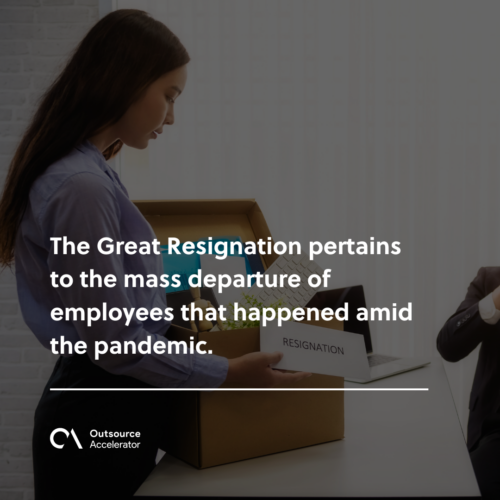
5 major reasons why employees resign
Workers resign all the time. In fact, employers legally can’t say no when someone wants to quit. Their reasons vary, yet clear patterns show up when employers look closely.
Mass resignations do not happen overnight. Instead, internal and external factors build up first. So let us look at the main ones.
Compensation
Some people take on many jobs just to make ends meet. Others work long hours for the same reason. During the Great Resignation, many finally quit to find better pay. In short, their voices grew louder. Workers want higher compensation, and they want fair work-life balance too.
Misalignment of career paths
Employees grow out of their comfort zones. So they seek roles that fit their skills and stretch them. This often clicks when a new chance appears. Then they get excited, take the leap, and start a fresh path.
Work culture
A toxic workplace sees higher employee churn than a healthy one. After all, few people want hostile coworkers or unclear rules. Strong employee engagement helps prevent this. Still, if someone survives a bad workplace, the mental toll can linger for years.
Retirement
We are all entitled to retirement. After years of hard work, people deserve a secure life. This is why retirement benefits matter so much. For example, there is the SSS in the Philippines, the 401(k) Plan in the US, and the SIPP in the UK.
My employee was a part of the Great Resignation movement: what can I do next?
As noted above, employers cannot refuse a resignation letter. No matter how valuable the person is, you have to say yes. As a last resort, you may offer a counteroffer. This works best when the person leaves over compensation and benefits.
Beyond a counteroffer, your options are limited. A signed letter is usually final. So once it is in, the person starts their final days. Still, here are a few things you can do instead.
Give a graceful exit
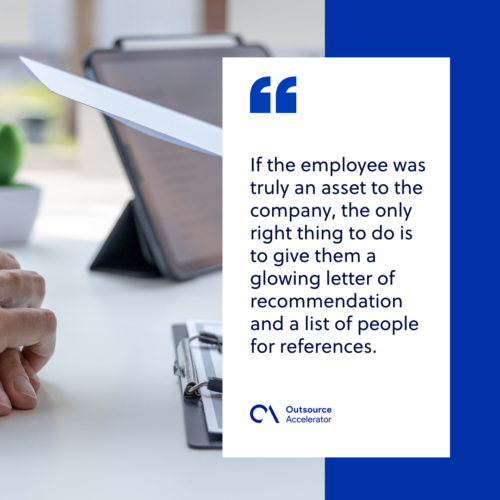
If the person was a real asset, give them a glowing reference. Also hand over a list of contacts. Surely, these boost their chances of landing a new role.
A graceful exit shapes a lasting impression. As a result, the person remembers you well after they leave. Who knows, they may even refer someone to fill their spot.
Maintain connections
Keeping connections can feel like a lot of work. This is true when the headcount runs into the hundreds. It may mean being the point of contact for background checks and reference calls.
Still, a listed reference is a sign of trust. In short, the person trusts you to support their next steps.
Learn, grow, and move on
Ask the person why they chose to leave during the exit interview. This is a great time to learn what drives people away. Sharper talent acquisition often starts with this feedback.
If culture is the issue, take it to heart and improve. If benefits are the issue, talk to HR about adding perks. So treat each exit as useful feedback. As a result, the workplace gets a little better for everyone who stays.
How the Great Resignation affected businesses worldwide
The Great Resignation left businesses understaffed. Meanwhile, the remaining staff were overworked. So many firms raised wages, improved benefits, and built a healthier work environment.
To cover the gaps, many firms also turned to outsourcing. These benefits of outsourcing helped teams stay running. A model like staff leasing let them add skilled people fast.
The effects were positive for workers. Still, the panic and instability hurt too. In fact, some small and local businesses shut down for good.
Today, industries have largely moved past the shock. Even so, the lesson remains clear. Firms that care for their people are the ones that keep them.
Frequently asked questions about the Great Resignation
When did the Great Resignation happen?
It gathered pace in the early 2020s. Workers quit in large numbers across many sectors. The trend then spread worldwide. Its effects reshaped pay and hiring for years after.
Why did so many workers quit during the Great Resignation?
Several forces lined up at once. Low pay pushed many out the door. Toxic culture and poor balance pushed others. In addition, some simply reached retirement or chased a new path.
Is the Great Resignation over?
The biggest wave has passed. Still, its lessons stick. Workers now expect fair pay, flexibility, and respect. So firms that ignore these signs still risk losing good people.
How can employers reduce turnover after the Great Resignation?
Start with fair pay and clear growth paths. Next, build a healthy culture and offer flexibility. Regular feedback helps too. As a result, staff feel valued and are more likely to stay.






 Independent






