
Patient engagement strategies that work

At a glance
- Patient engagement strategies help providers turn passive patients into active partners in their own care.
- Clear communication, easy digital access, and timely reminders drive most of the gains in satisfaction and follow-through.
- Engagement improves when teams measure it, personalize outreach, and remove the small frictions that push patients away.
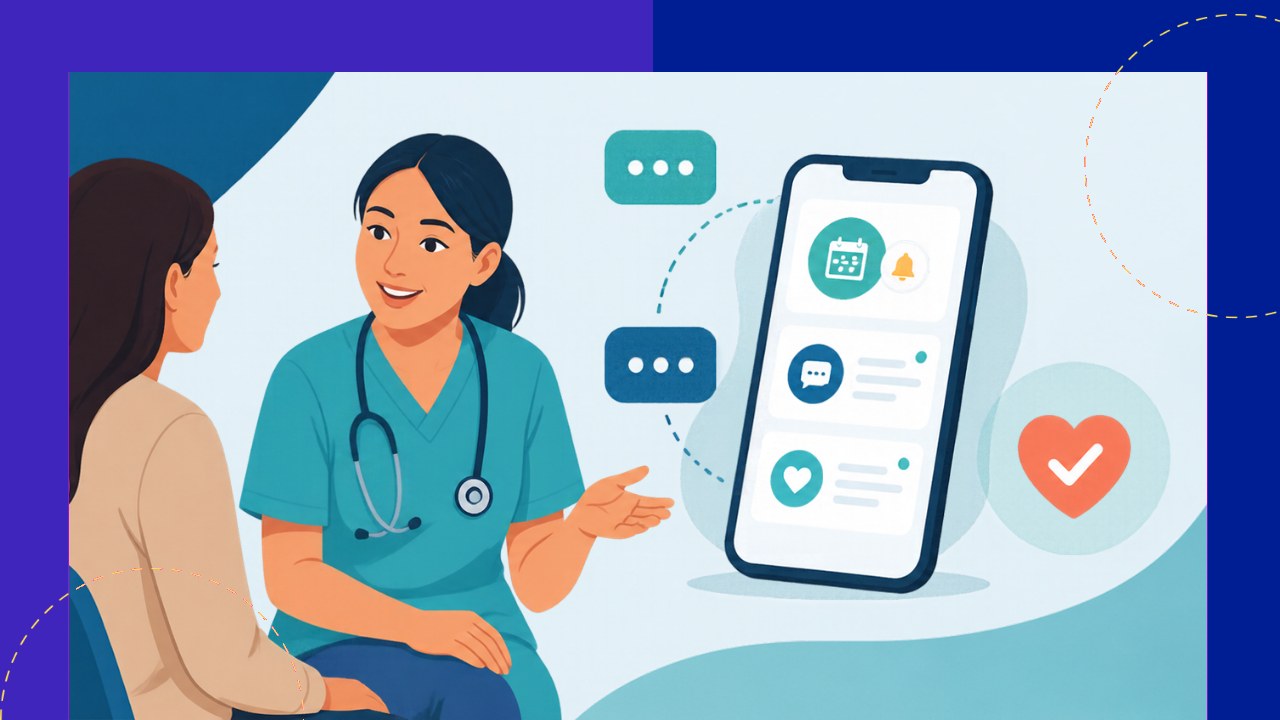
Patients who take an active role tend to show up, follow their plans, and feel better about their care. Patient engagement strategies are the steps providers take to make that happen. They cover clearer talk, easier access, and better follow-up. Done well, they lift both satisfaction and health.
Patient engagement means treating people as partners in their own health. It is the opposite of leaving them on the sidelines. It touches every step, from scheduling and visits to education, billing, and follow-up.
Here is a practical set of strategies that help patients stay informed, involved, and connected.
Why patient engagement matters
Engaged patients are easier to care for. They stick with treatment, ask better questions, and keep their appointments. That helps the whole care team work more smoothly.
The benefits reach the practice too. A systematic review in Implementation Science found that engaging patients can enhance service delivery and governance. In short, engagement is not just good bedside manner. It shapes how well the whole practice runs.
Communicate clearly and often
Most engagement problems start with communication. When patients do not understand their condition or next steps, they disengage. So make clarity the default.
Use plain language
Swap medical jargon for everyday words. Explain diagnoses, medications, and instructions in terms anyone can follow, then check that the patient understood by asking them to repeat it back.
Meet patients where they are
Reach people in the channels they actually use, such as text, email, or a phone call. A quick text often works better than a formal letter no one opens.
Make digital access easy
Digital tools give patients control between visits. That keeps them involved. Patient portals let people view records, message their provider, and book visits. They are now a core way to engage.
These tools also tend to please people. A systematic review in the Journal of Medical Internet Research reported that studies “documented a high rate of patient satisfaction with the portal.” The key is to keep the experience simple, mobile-friendly, and quick to set up.
Send timely reminders and follow-ups
Life gets busy, and people forget appointments. Automated reminders cut no-shows and show patients that their care team is paying attention.
Follow-up matters just as much. A short check-in after a visit or procedure helps patients stay on track and signals that the relationship continues beyond the appointment. Both steps are simple, and both build trust.
Educate and empower patients
Patients engage more when they understand their own health. Give them clear resources, such as short guides, videos, or a quick walkthrough of their care plan.
Shared decisions help too. Lay out the options and invite patients to weigh in. When they help choose the plan, they follow it more closely. Good education turns orders into real choices.
Personalize the experience
Generic outreach gets ignored. Tailor each message to the patient’s needs and history. Then the contact feels personal, not mass-produced.
Simple personalization goes a long way. Use the patient’s name, reference their specific visit, and time reminders to their schedule. These small touches make people feel seen, which keeps them engaged.
Measure engagement and act on it
You cannot improve what you do not track. A few clear measures show whether your strategies are working.
| Measure | What it signals |
|---|---|
| Appointment no-show rate | How reliably patients show up |
| Portal sign-up and use | How many patients engage digitally |
| Patient satisfaction scores | How patients feel about their care |
Review these numbers often, then adjust. When no-shows fall and portal use rises, your engagement work is paying off.
Give your team the capacity to engage
Engagement takes time, and busy staff cannot give it. Give front-desk and care teams the tools and the time to follow up, answer questions, and reach out.
Some providers extend that capacity with outside help. A specialized team that handles scheduling, reminders, and patient support can keep outreach steady without pulling clinicians away from care. The goal is simple: make it easy for every patient to stay involved.
Frequently asked questions
What is the difference between patient engagement and patient experience?
Patient experience covers how someone feels about the care they receive, while patient engagement is about how actively they take part in it. Experience is largely a reaction, and engagement is a two-way relationship, so a practice can score well on one yet still need to improve the other.
Which patient engagement strategy gives the fastest results?
Automated appointment reminders usually deliver the quickest, most visible win because they cut no-shows almost immediately. They are also cheap to set up, which makes them a sensible first step before tackling bigger changes like portal adoption.
How do you engage patients who avoid technology?
Keep offering low-tech options such as phone calls, printed materials, and in-person conversations. Engagement is about meeting people where they are, so a mix of digital and human channels reaches the widest range of patients without forcing anyone online.
Can patient engagement reduce costs?
It can, mainly by preventing missed appointments and catching issues before they escalate into expensive care. The evidence on exact savings varies, so treat engagement as a long-term investment in better care rather than a guaranteed short-term discount.






 Independent






