
Why digital-first workplace matters for distributed teams

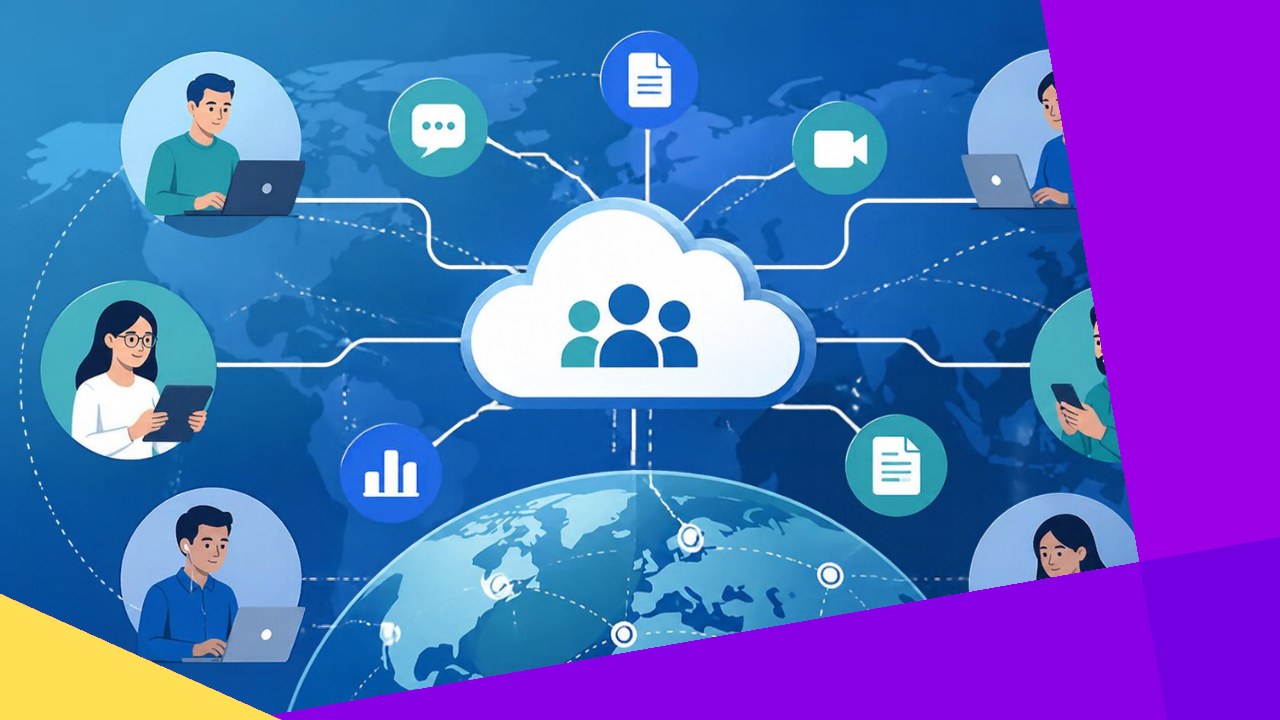
- A digital-first workplace treats online tools and records as the default, so work does not depend on who is in the office that day.
- For distributed teams, this approach closes the gaps in access, context, and fairness that office-first habits quietly create.
- Building one is mostly about culture and clear norms, not just buying more software.
A digital-first workplace is one where processes, tools, and culture are designed to work online by default. Information lives in shared systems, decisions get written down, and no one has to be in a room to do their job well. The office still matters, but it is one option, not the center of gravity.
This matters more as teams spread across cities and countries. When some people sit together and others log in from home, office-first habits leave remote staff a step behind. A digital-first setup levels that playing field. It gives every worker the same access to context, history, and people.
What digital-first actually means
Digital-first is a design choice, not a tool purchase. An office-first company runs on hallway chats and meetings, then patches remote people in afterward. A digital-first company flips that order. The shared document is the source of truth, and the meeting is a backup.
Three principles sit underneath it. Work happens in writing, so context is searchable later. Systems are open by default, so people find what they need without asking. And the company assumes anyone could be remote, so nothing important lives in one place.
| Dimension | Office-first | Digital-first |
|---|---|---|
| Source of truth | In the room and in people’s heads | Shared, searchable documents |
| Default mode | Live meetings | Written, async updates |
| Access to context | Depends on being present | Open to everyone |
| Remote staff | Added on afterward | Equal from the start |
Why it matters for distributed teams
Distributed teams win or lose on access to information. If a decision only happened out loud, the person in another time zone missed it. Those small misses add up to confusion and rework. Writing things down fixes the root cause.
Fairness is the second reason. Gallup finds that “frayed” collaboration, communication, and culture are the top risks hybrid teams report, with roughly 20% to 30% of hybrid workers naming these challenges. A digital-first model treats those risks as a design problem. Because the default is online, nobody earns an edge by sitting near the boss.
There is also a performance case. A Bureau of Labor Statistics analysis found that productivity growth from 2019 to 2022 was “positively associated with the rise in the percentage of remote workers.” The link was correlational, not guaranteed. Still, teams that work well online are not trading output for flexibility.
The benefits in practice
Wider talent and real flexibility
When work is online by default, you can hire the best person for a role instead of the closest one. Gallup reports that about 56% of U.S. full-time employees say their job can be done remotely. That is a large pool to draw from. A connected, well-chosen stack of software for distributed staff is also easier to run when everyone already works that way.
Faster onboarding and less key-person risk
New hires can read the record instead of chasing people for answers. Knowledge does not walk out the door when someone leaves. Because context is open, a single absence rarely stalls a project.
Better records and clearer decisions
Written decisions create an audit trail. You can see what was chosen and why. That clarity helps with compliance, handoffs, and simple day-to-day trust across time zones.
How to build a digital-first workplace
1. Make the document the default
Pick one place for each type of work and make it the source of truth. Decisions, project plans, and policies all go there. If it is not written down, treat it as not decided. This one norm changes behavior faster than any tool.
2. Shift meetings to async where you can
Not every update needs a live call. Replace status meetings with short written updates. Save live time for debate, relationship building, and hard problems. This respects time zones and cuts calendar overload.
3. Set clear communication norms
Decide which channel suits which job, and how fast a reply is expected. Spell out when a quick message is fine and when a written brief is needed. Clarity here prevents the always-on pressure that wears people down.
4. Train managers for distributed work
This step is often skipped. Gallup found that 80% of hybrid workers have had no formal training on hybrid work, and 73% of managers feel unprepared to lead it. Give leaders practical habits: write decisions, include remote voices first, and judge output, not hours.
5. Standardize tools and access
Keep the stack small and well integrated. Everyone should reach the same systems with the same ease. Pair this with clear rules for a global team, since consistent policies across countries keep security and compliance tight.
Culture carries the model
Tools are the easy part. Culture decides whether digital-first sticks. Leaders set the tone by working in the open. When an executive posts a written update instead of calling a meeting, people follow.
Trust is the other half. Judge people on results, not on green status dots. Protect time off and quiet hours so always-on does not become the norm. A digital-first workplace should reduce friction, not add surveillance.
Frequently asked questions
Is a digital-first workplace the same as remote-only?
No. Digital-first describes how work is designed, not where people sit. A company with three offices can still be digital-first if its records and decisions live online. Many digital-first firms keep physical space for focused collaboration, while treating in-person time as optional rather than required.
How do we keep data secure in a digital-first model?
Lean on role-based access, single sign-on, and device management so openness never means exposure. Classify information by sensitivity, and review access when people change roles. The goal is to make the right data easy to reach and the wrong data hard to touch.
Will asynchronous work slow decisions down?
Usually the opposite, if you set deadlines. A written proposal with a clear response window often moves faster than a meeting three days out. Reserve live calls for the few choices that genuinely need debate, and let routine approvals happen in writing.
What is the first move for a small team?
Start by moving one recurring meeting to a written update, and name a single home for decisions. These two changes cost nothing and show the benefit quickly. Expand once people feel the friction disappear.






 Independent





