
Why performance management modernization matters for growing teams

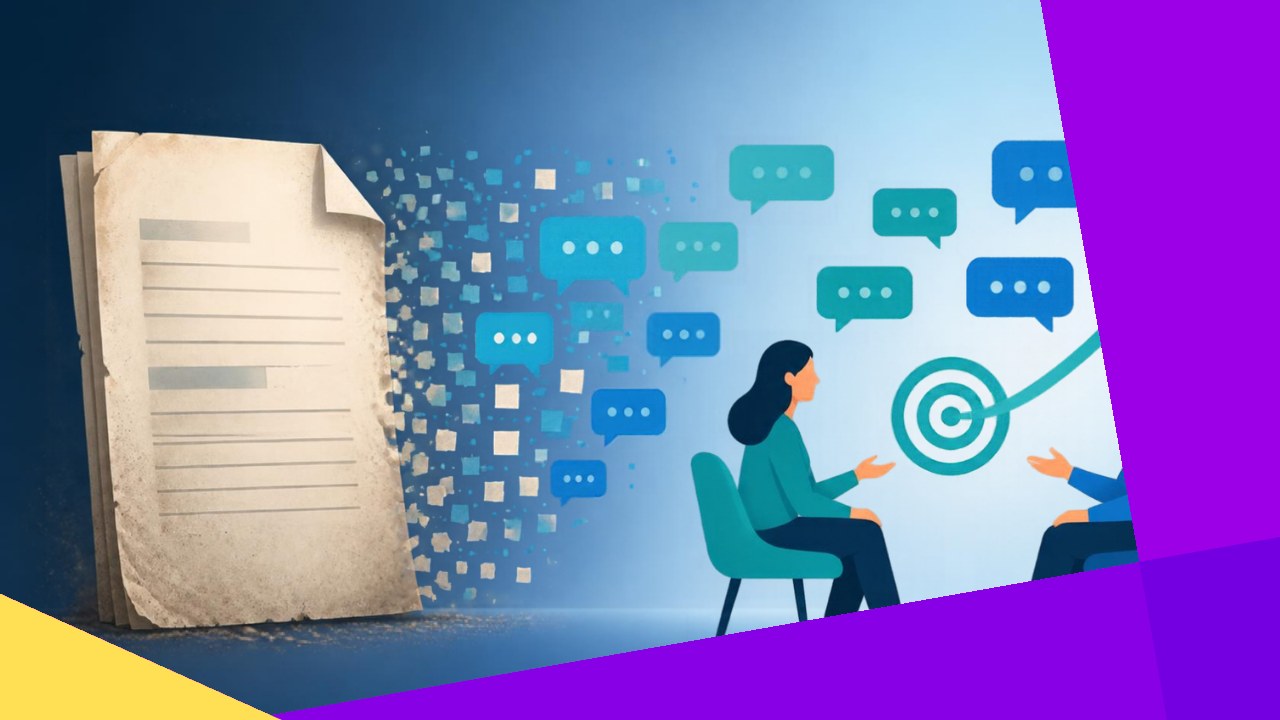
- Performance management is shifting from once-a-year reviews to continuous feedback, regular check-ins, and agile goals.
- Growing teams feel the old annual model most, because headcount, roles, and priorities change faster than a yearly cycle can track.
- Modern practice ties performance to development and engagement, which protects retention and output as a company scales.
Performance management modernization is the move away from the single annual review toward ongoing feedback, frequent check-ins, and goals that can change during the year. For a growing team, this shift is not a trend to admire from a distance. It is a practical response to how fast work now changes. When your headcount doubles and roles are redrawn every few quarters, a once-a-year rating simply cannot keep up.
The annual appraisal was built for a slower, more stable workplace. People held the same job for years, and priorities rarely moved mid-cycle. That world is gone for most scaling companies. So the question is not whether to modernize, but how soon.
Why the annual review stopped working
The yearly review asks a manager to sum up twelve months in one conversation. By then, most problems are old news, and most wins have faded. Feedback arrives too late to change anything.
The numbers back this up. Gallup reports that only 14% of employees strongly agree their performance reviews inspire them to improve. That is a poor return on a process that eats hours of manager and HR time. Reviews can even backfire. The same research notes that traditional feedback makes performance worse about one-third of the time.
There is also a timing problem. An annual rating tends to reflect recent months, not the full year. Early effort gets forgotten. Bias creeps in. For a fast-moving team, that is a weak basis for pay, promotion, or growth decisions.
What is driving the shift
Several forces push companies toward a modern approach. None of them is going away.
Faster pace of work
Goals set in January are often stale by March. Markets move, products pivot, and teams reorganize. Agile goals, often framed as OKRs, let people reset targets each quarter instead of waiting a full year.
A younger, feedback-hungry workforce
Newer employees expect coaching, not a yearly verdict. They want to know where they stand now, so they can adjust now. Regular conversations meet that expectation and build trust.
Remote and hybrid teams
When people are not in the same room, informal feedback disappears. Managers can no longer rely on hallway chats. Scheduled check-ins replace that lost contact and keep distributed staff aligned.
Pressure to keep good people
Replacing a skilled employee is expensive and slow. Frequent, honest conversations catch frustration early. That makes modernization a retention tool, not just an HR process.
The core features of a modern approach
Modernization is less about new software and more about new habits. A few features define it.
The first is continuous feedback. Instead of saving comments for a yearly form, managers share them as work happens. The effect is large. Gallup found that weekly feedback, compared with annual feedback, makes employees 5.2 times more likely to strongly agree that they receive meaningful feedback.
The second is the regular check-in. This is a short, structured one-to-one, often monthly, focused on progress, blockers, and next steps. It replaces the dreaded annual sit-down with many small, low-stakes talks.
The third is agile goal setting. Targets are set for a quarter, reviewed often, and adjusted when priorities move. People always know what matters right now.
The fourth is a development focus. The conversation turns from judging the past to building the future. Managers coach rather than grade. Harvard Business Review describes this plainly, noting that the focus is shifting from accountability to learning.
| Dimension | Traditional annual review | Modern approach |
|---|---|---|
| Frequency | Once a year | Ongoing, with regular check-ins |
| Goals | Fixed for the year | Agile, reset each quarter |
| Purpose | Rate and rank past work | Coach and develop future work |
| Feedback timing | Delayed, often too late | Immediate and specific |
Why it matters more for a growing team
A 20-person company can lean on informal chats. Everyone sees everyone. A 200-person company cannot. As you scale, gaps in feedback and unclear goals multiply quickly. Small cracks become real problems.
Growth also changes roles fast. A person hired as a generalist may lead a team within a year. An annual cycle cannot track that pace, but quarterly goals and monthly check-ins can. They keep expectations clear while the company reshapes around people.
There is a direct business impact too. Engaged employees stay longer and produce more. When feedback is frequent and goals are current, managers spot risks early and keep output steady through change. For a scaling team, that stability is worth real money.
None of this requires a costly overhaul. The groundwork is manager habits and clear routines, supported by the structures that set goals and measure work. Many growing companies also lean on an outsourcing provider to run the admin behind reviews, which frees internal managers to focus on the conversations that actually move performance.
Frequently asked questions
Does modernizing mean we drop ratings and reviews entirely?
Not necessarily. Many companies keep a light annual summary for pay and promotion records, then add frequent check-ins on top. The point is to stop making the once-a-year meeting carry all the weight. A short formal wrap-up can coexist with ongoing coaching.
How often should check-ins happen for a growing team?
Monthly works for most scaling companies, with a brief weekly touchpoint during busy stretches or onboarding. The right cadence depends on how fast roles change. Teams in rapid growth often need more frequent contact than a stable department would.
What is the first step if we still run annual reviews?
Start by training managers to hold short, regular one-to-ones, since that habit matters more than any tool or template. Pick one team as a pilot, run monthly check-ins for a quarter, then compare engagement and goal progress before rolling it out wider.
Will a small HR team have the capacity to manage this?
Yes, because the model pushes the real work to managers, not HR. HR sets the rhythm and provides simple templates, while line managers own the conversations. Lightweight software or an external partner can handle reminders and record keeping so the admin load stays low.






 Independent





