
10 virtual team-building activities worth knowing

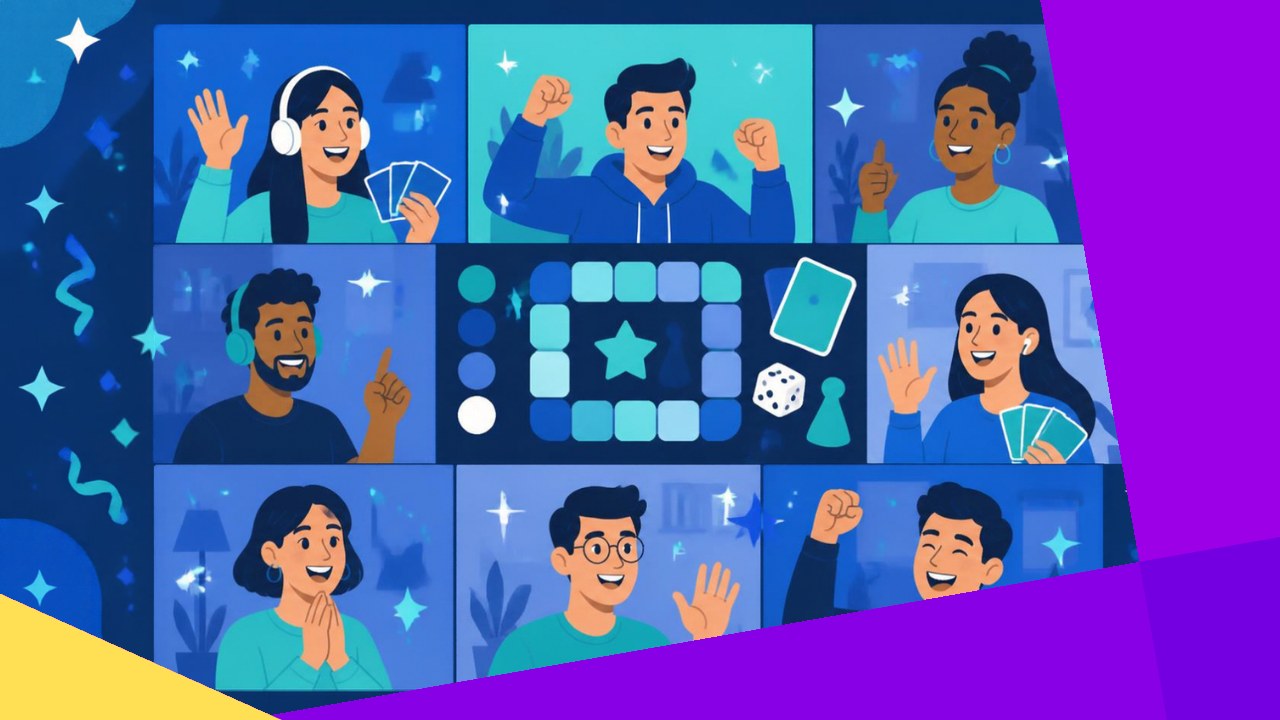
- Virtual team-building activities give remote and offshore teams the informal moments that offices create by default.
- The best activities are short, optional, and built around real conversation, not forced fun.
- Rotate hosts and time slots so no single time zone always loses sleep to join.
Distributed teams work well on paper, yet something quiet goes missing. Colleagues who never share a coffee break rarely build real trust. That gap is what good virtual team-building activities are meant to close. When staff sit in Manila, Cebu, or three countries at once, connection has to be planned, because it will not happen on its own.
The stakes are higher than morale. Gallup found that people with a best friend at work are “significantly more likely to engage customers and internal partners, get more done in less time, and support a safe workplace with fewer accidents,” according to its research on workplace friendships. Yet only two in ten U.S. employees say they have one. Below are ten activities that actually work for remote and offshore teams. Each one is cheap, quick, and easy to repeat.
1. Virtual coffee roulette
Pair two people at random each week for a 15-minute video chat with no agenda. A simple bot or a rotating spreadsheet handles the matching. The rule is that work talk is optional and small talk is welcome.
This works because it rebuilds the hallway chats that offices give away for free. It also mixes staff across teams, so a junior agent might swap stories with a manager they would otherwise never meet.
2. Themed show-and-tell
Give everyone a prompt ahead of a call, such as a favorite local snack, a view from their window, or a childhood photo. Each person gets 60 seconds to share on camera.
It works because it surfaces personality fast. For offshore teams, it opens a friendly window into another culture. People remember the colleague who showed off their street food long after a status update fades.
3. Online trivia nights
Run a short quiz with mixed rounds: general knowledge, company facts, and one round built around each office location. Free tools handle scoring and buzzers.
Trivia works because it is low-pressure and genuinely fun. Mixed teams force quick collaboration. Because rounds move fast, even shy members join in without feeling exposed.
4. Virtual escape rooms
Book an online escape room or use a free browser version. Small groups solve puzzles against a clock, talking the whole way through.
This builds real teamwork under gentle pressure. People split roles, share clues, and learn who thinks out loud versus who quietly cracks the code. Those habits carry back into daily work.
5. Two truths and a lie
Each person shares three statements about themselves. The group guesses which one is false. It takes ten minutes and needs zero setup.
It works because guessing sparks questions, and questions spark conversation. As a result, teammates learn odd, human details that make later collaboration warmer.
6. Collaborative online games
Pick a quick multiplayer game that runs in a browser, such as a drawing-and-guessing game or a cooperative puzzle. Keep sessions to 20 minutes so they stay a treat, not a chore.
Play lowers people’s guard. When a serious analyst is busy drawing a terrible cartoon, hierarchy melts. That shared laughter is hard to manufacture any other way.
7. Virtual lunch and learn
Invite one team member to teach the group something they love, work-related or not. Home cooking, personal finance, or a niche software tip all qualify. Keep it to 30 minutes with time for questions.
This blends learning with connection. It also spotlights hidden talent, which builds confidence. Rotating the teacher role means everyone eventually gets a turn to shine.
8. Photo scavenger hunts
Post a list of things to photograph, such as something blue, a pet, or a messy desk. People share snaps in a chat channel over a day or two, so no live call is needed.
Because it runs asynchronously, this suits teams spread across wide time zones. It also produces playful images that keep the channel alive between meetings. Connection does not always need a scheduled slot.
9. Peer recognition rituals
Set aside five minutes in a weekly call for public shout-outs. Anyone can thank a colleague for specific help. A dedicated chat channel can catch praise between calls too.
Recognition matters most when it is peer to peer, not just top down. It helps remote staff feel seen. Gallup notes that managers “account for 70% of the variance in team-level engagement,” so leaders set the tone here by joining in first.
10. Virtual celebrations for milestones
Mark birthdays, work anniversaries, and project wins with a short, cheerful call. Mail a small gift or send an e-voucher so offshore team members share in the moment.
Milestones are natural reasons to pause and connect. Celebrating them tells staff their time is valued, not just their output. Over months, these rituals build the shared history that turns a group into a real team.
Making virtual team building actually stick
The activity matters less than the habit. Pick two or three that fit your culture and run them on a steady rhythm. Keep them short and optional, because forced fun backfires quickly.
Timing is the trap most offshore teams fall into. If every session lands at 9 a.m. head-office time, your night-shift staff always pay the price. Rotate slots and hosts so the load is shared. Strong habits that keep distributed staff motivated depend on that fairness.
Finally, tie these moments back to how you run the team. Recognition, clear communication, and trust do more work than any single game. Good practices for leading people you rarely see in person turn one-off events into a genuine culture.
Frequently asked questions
How long should a virtual team-building activity last?
Most work best between 15 and 30 minutes. Anything longer competes with real deliverables and feels like a tax on people’s time. For deeper events like an escape room, cap it at an hour and schedule it during paid work hours, not evenings.
How often should we run these activities?
A light weekly touch plus one bigger monthly event is a sustainable rhythm. Weekly rituals, such as a coffee pairing or shout-out slot, keep connection warm. Monthly events give people something to look forward to without crowding the calendar.
What if offshore team members seem reluctant to join?
Start small and never make attendance mandatory. Ask a few enthusiastic staff to host early sessions, since energy spreads. Also check the time slot, because reluctance is often a scheduling problem in disguise, not a lack of interest.
Do these activities need a budget?
Not much. Trivia, two truths and a lie, and photo hunts cost nothing but planning time. A small budget helps for gifts or paid escape rooms, yet the return on connection usually dwarfs the spend.






 Independent





