
7 machine learning for HR analytics examples worth knowing

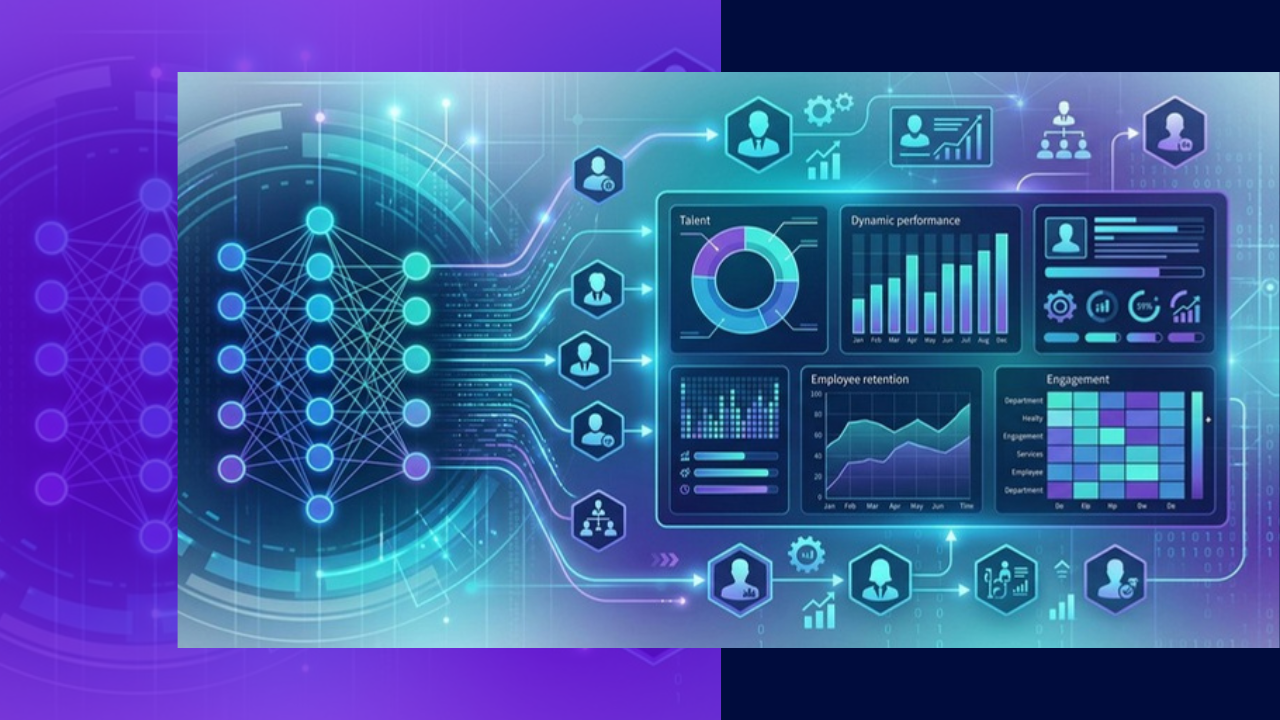
- Machine learning turns scattered HR data into forecasts that help leaders act before problems grow.
- The seven examples below span hiring, retention, planning, and employee wellbeing.
- Each use case shows where predictive models add value and where human judgment still matters.
- Outsourcing and BPO teams can apply these methods across large, distributed workforces.
Human resources now sits on a mountain of information, from application records to engagement surveys and payroll logs. Turning that raw material into decisions is where machine learning for HR analytics earns its place.
Instead of reading reports after the fact, teams can spot patterns and forecast outcomes while there is still time to respond.
People analytics has moved from a fringe idea to a mainstream practice, described in one Harvard Business Review study as using statistical insights from employee data to make talent management decisions. Machine learning is the engine behind many of those insights today.
The seven examples that follow are use cases, not products. They show how prediction, classification, and pattern detection reshape everyday HR work for companies and the outsourcing providers that support them.
1. Attrition prediction
Attrition models study past departures alongside signals like tenure, pay bands, promotion history, and survey scores. The model then estimates which employees carry a higher risk of leaving in the coming months.
Managers can use that early warning to open honest conversations, adjust workloads, or revisit compensation.
For a deeper look at the drivers behind departures, our guide on the difference between turnover and attrition is a useful companion.
2. Candidate screening
Screening algorithms rank or shortlist applicants by comparing resumes and assessment results against the traits of successful hires. This trims the time recruiters spend on early sorting, which matters most when thousands of applications arrive for a single role.
Screening models still need careful oversight, since biased training data can quietly narrow a talent pool rather than widen it.
3. Workforce planning
Machine learning strengthens planning by projecting future headcount needs from historical demand, seasonality, and business growth targets. Leaders see where shortages or surpluses are likely before they disrupt operations.
Because staffing choices carry real cost, pairing these forecasts with the practical steps in our overview of workforce planning benefits helps translate predictions into action.
4. Sentiment analysis
Natural language models read open text from surveys, reviews, and internal channels to gauge how people feel. They surface recurring themes such as frustration with tools, unclear goals, or manager support. This gives HR a faster read on morale than annual surveys alone.
As MIT Sloan puts it, people analytics is a data-driven approach to improving people-related decisions that serves both the organization and its employees.
5. Performance insights
Performance models connect output, goal completion, and feedback data to reveal what separates thriving teams from struggling ones. They can flag when a high performer is drifting or when a group needs coaching.
Used well, these insights guide fairer reviews and better development plans rather than blunt rankings.
6. Skills-gap analysis
Skills models map the abilities a workforce holds today against the abilities upcoming projects will demand. The output points training budgets toward the gaps that matter most and highlights roles worth hiring or reskilling for.
This keeps learning programs aligned with strategy instead of guesswork.
7. Absence forecasting
Absence models learn from attendance history, shift patterns, and seasonal trends to predict coverage risks. Scheduling teams can then arrange backups before a busy week turns into a staffing crunch.
For contact centers and other high-volume operations, steadier coverage protects both service levels and employee wellbeing.
How the seven examples compare
| Example | Primary HR goal | Typical data used |
|---|---|---|
| Attrition prediction | Retain valued staff | Tenure, pay, survey scores |
| Candidate screening | Faster, fairer hiring | Resumes, assessments |
| Workforce planning | Right-size headcount | Demand, growth, seasonality |
| Sentiment analysis | Read employee morale | Survey text, feedback |
| Performance insights | Support development | Output, goals, reviews |
| Skills-gap analysis | Plan training | Skills records, project needs |
| Absence forecasting | Protect coverage | Attendance, shift history |
Frequently asked questions
These quick answers address the questions HR and outsourcing leaders raise most often when they begin exploring predictive models.
Do these examples replace HR professionals?
No. The models handle pattern detection and forecasting, while people set priorities, interpret context, and make final calls. Machine learning works best as a decision aid, not a decision maker.
How much data is needed to start?
Enough clean, consistent history to reflect real patterns, which usually means a year or more of records. Quality matters more than sheer volume, since messy data leads to unreliable predictions.
Can outsourcing providers use these methods?
Yes, and many already do across large, distributed teams. Providers that manage attendance, hiring, and performance at scale often see the clearest payoff. Firms weighing this route can review how HR outsourcing supports data-heavy functions.
What is the biggest risk to watch?
Bias in the training data, which can quietly skew hiring or promotion outcomes. Regular audits, diverse inputs, and human review keep models honest and fair.
Key takeaways
Predictive models are reshaping how HR teams hire, retain, and support people across both in-house and outsourced settings.
- Machine learning turns HR data into forecasts that guide earlier, better decisions.
- The strongest use cases span the full employee journey, from screening to absence planning.
- Clean data and human oversight decide whether a model helps or misleads.
- Outsourcing providers with large workforces stand to gain the most from these techniques.






 Independent





