
A practical guide to AI in HR

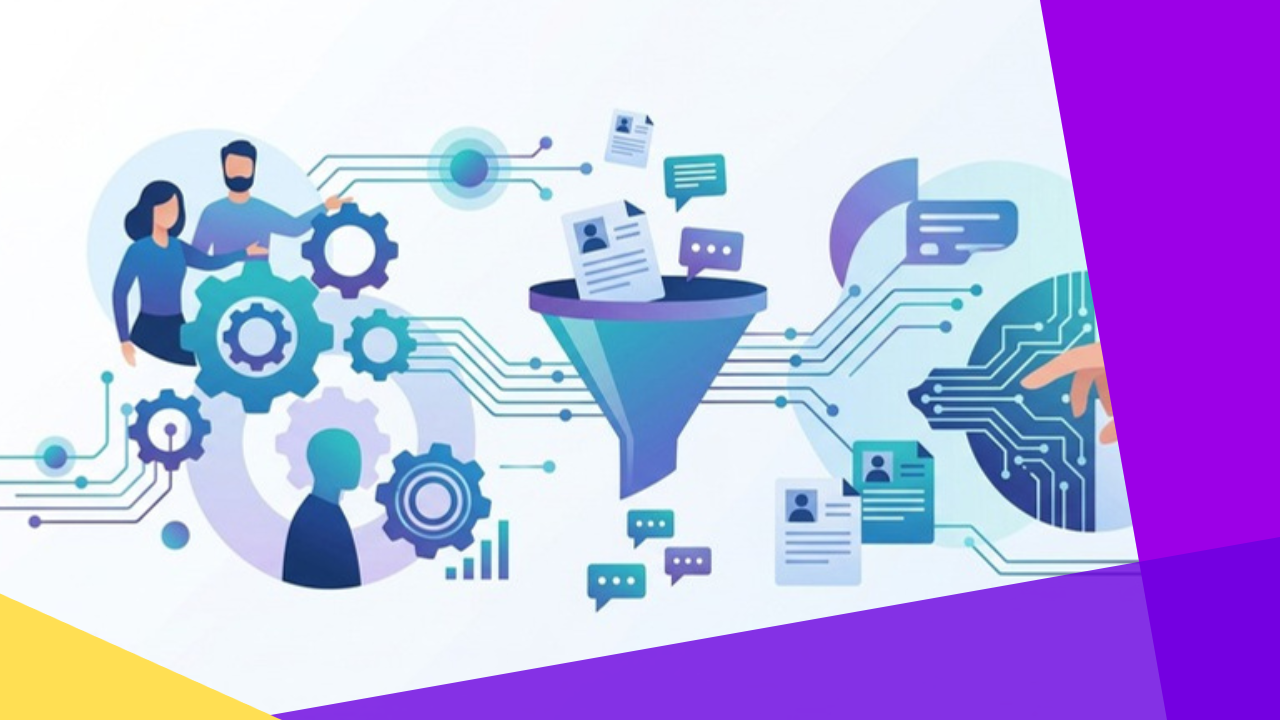
- AI in HR means using machine learning and generative tools to support tasks like recruiting, onboarding, analytics, and employee support.
- The strongest, most mature use cases sit in recruiting, where software screens resumes, matches candidates, and schedules interviews.
- The technology speeds up routine work, but it carries real limits around bias, privacy, and judgment, so human oversight stays essential.
- Outsourcing and BPO teams pair the tools with trained specialists, giving companies capacity without handing decisions to a machine.
Human resources teams handle a heavy mix of admin, hiring, and people care, often with lean headcount. AI in HR has become the shorthand for the tools that help absorb that load, from resume screeners to policy chatbots.
For companies weighing outsourcing, and for the BPO providers that serve them, the question is no longer whether to use these tools. It is where they fit, what they cannot do, and who checks the output.
This guide walks through what the term really means, the four areas where it lands, the benefits and limits, and how offshore teams apply it with people in the loop.
What AI in HR actually means
At its core, the phrase describes software that learns from data to assist human resources work rather than replace it.
The tools behind the label
Most systems combine machine learning, natural language processing, and, more recently, generative models that draft text.
A screening tool ranks applicants against a role. A chatbot answers a benefits question at midnight. An analytics dashboard flags which teams are at risk of turnover.
None of this is a single product. It is a layer of features woven into applicant tracking systems, payroll platforms, and help desks. That is worth remembering when a vendor pitches a sweeping transformation.
Where AI fits across the HR function
The technology shows up in four practical areas, each with a different level of maturity.
Recruiting and hiring
This is the most developed area by a wide margin. According to SHRM research on talent trends, “Recruiting is the HR practice area that organizations report using AI to support HR-related activities the most, with just over half of organizations (51%) using AI to support recruiting efforts.”
In practice that covers resume parsing, candidate matching, interview scheduling, and drafting job descriptions. A growing set of AI recruitment tools now sits inside the hiring stack that many firms already run.
Onboarding
Once a candidate signs, the tools help new hires settle in. Chatbots route first-week questions, systems auto-generate checklists, and document flows collect signatures without a person chasing each one.
The gain here is consistency, since every new starter gets the same clean sequence.
HR analytics
People data is messy and scattered, and this is where analysis earns its keep. Models surface patterns in attrition, pay equity, and engagement that a spreadsheet would bury.
Used well, they turn a vague hunch about morale into a number a manager can act on.
Employee support
Day to day, staff ask the same questions about leave, benefits, and policy. Conversational tools field those queries around the clock, freeing HR staff for the cases that need empathy and nuance.
The routine stuff gets answered fast, and the hard stuff still reaches a human.
The benefits, and the honest limits
The upside is real, but so are the constraints, and a serious buyer needs both in view.
What companies gain
Speed is the headline. Screening that took days can run in hours, scheduling loops shrink, and repetitive tickets clear themselves. That capacity lets a small team support a much larger workforce, which matters when hiring volume spikes or budgets stay flat.
What it cannot do alone
Trust is the sticking point. Public opinion is wary, and for good reason. Pew Research Center found that Americans “reject the idea that AI would be used in making final hiring decisions, by a ratio of roughly ten-to-one.”
Models can inherit bias from past data, mishandle sensitive personal information, and produce confident answers that are simply wrong. They cannot read the room in a layoff conversation or weigh a fair exception to policy.
Those are human calls, and treating them otherwise invites legal and reputational risk.
How outsourcing and BPO teams apply it
Offshore providers have taken a middle path that keeps the tools useful while managing their weaknesses.
People in the loop by design
Rather than automating end to end, BPO teams use the software to handle first-pass work, then have trained specialists verify, correct, and decide. A recruiter reviews the shortlist the model produced. A support agent checks the chatbot’s answer before a tricky case escalates.
This mirrors the balance described in AI augmentation in outsourcing, where technology handles volume and humans own judgment.
The commercial logic is straightforward. A company gets the throughput of automation and the safety of human review, usually at a lower cost than building both in house.
In-house versus outsourced adoption
The table below sketches how the two paths tend to differ for a mid-sized business.
| Factor | In-house AI HR | Outsourced or BPO model |
|---|---|---|
| Upfront setup | Buy, integrate, and train on tools yourself | Provider supplies the stack and trained staff |
| Human oversight | Depends on internal headcount and skill | Built into the service as a standard step |
| Scaling | Slower, tied to hiring cycles | Flexes with volume across a shared team |
| Cost profile | Higher fixed cost, longer payback | Variable cost, faster to stand up |
Frequently asked questions
Here are quick answers to the questions companies and providers ask most often.
Will AI replace HR jobs?
Not wholesale. The evidence points to a shift in tasks, not a removal of roles. Routine screening and ticket handling get automated, while the work that needs judgment, empathy, and compliance stays firmly with people.
Is AI in HR safe from a compliance standpoint?
It can be, with guardrails. Bias testing, clear data handling, and a human decision-maker for hiring and firing are the baseline. Regulators and courts increasingly expect that a person, not a model, owns the final call.
Which HR area should a company start with?
Recruiting is the usual entry point because the tools are mature and the payoff is quick. Starting there lets a firm learn the technology on a well-understood task before extending it to analytics or support.
How do BPO providers keep quality high?
They combine the software with trained reviewers and quality checks. The tool does the first pass at scale, and a specialist verifies the output, which keeps errors from reaching the client or the candidate.
Key takeaways
For any organization weighing these tools, a few points hold across the board.
- AI in HR is a support layer across recruiting, onboarding, analytics, and employee support, not a replacement for the function.
- Recruiting is the most proven starting point, with over half of organizations already using the tools there.
- The limits are real: bias, privacy, and judgment gaps mean a human must own final decisions.
- Outsourcing and BPO models build that oversight in, pairing automation with trained specialists at a lower cost than going it alone.






 Independent





