
Why businesses turn to outsourced procurement

Why do businesses use outsourced procurement?
Businesses use outsourced procurement to cut costs, lower risk, and free up their teams for core work.
- It hands buying tasks to specialists who know supplier markets well.
- As a result, firms gain better deals, tools, and controls without big in-house spend.
- It also speeds up sourcing, so new products reach the market faster.
Procurement buys and manages the goods and services a company needs to run. It is vital to any firm. So even small errors can cost real time and money.
Managing procurement in-house can be hard and costly, especially for growing firms. Fortunately, this is where outsourced procurement helps. By handing these tasks to a third-party provider, firms streamline work, cut costs, and focus on what matters.
What is outsourced procurement?
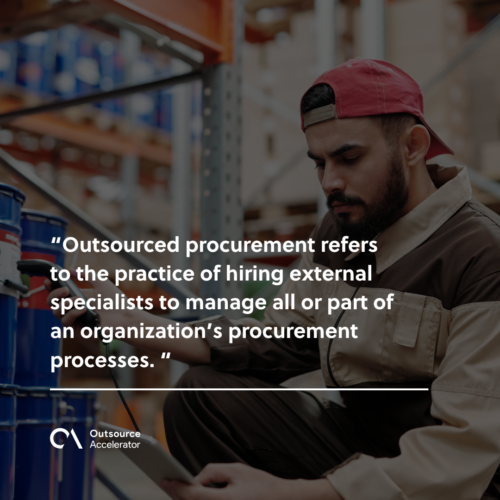
Outsourced procurement means hiring outside specialists to run all or part of your buying process. These tasks include:
- Vendor selection
- Contract negotiation
- Supplier management
- Compliance monitoring
With help from a provider, firms improve their supply chain and reach best practices. In addition, they use advanced procurement tools without a big upfront spend. To go deeper, see this guide to procurement outsourcing.
5 Key reasons why businesses turn to outsourced procurement
If procurement is so vital, why would firms outsource it? It is a fair question. This is true given the misconceptions surrounding outsourcing, from fears of losing control to worries about quality.
However, outsourced procurement is not just about cutting costs. Instead, it is a smart move to streamline work, lower risk, and stay competitive. Let us look at the key reasons behind this shift.
Cost savings without compromise
One top reason firms outsource procurement is real significant cost savings. Running procurement in-house brings high overhead. For example, salaries, training, software, and infrastructure all add up. By outsourcing, firms can:
- Drop these fixed costs and switch to a flexible, pay-as-you-go model.
- Use the partner’s scale to win better deals with suppliers.
- Gain better cost control through clear reporting and analytics.
Smart spend management makes these gains easier to track over time.
2. Access to specialized expertise
Procurement is no longer just buying at the lowest price. Instead, it is about strategic sourcing and strong supplier ties. It also means staying ahead of market trends. Providers bring years of practice and deep know-how. As a result, they understand supplier markets and pricing well. Many firms also lean on procurement consultants for this expertise.
3. Improved risk management and compliance
Procurement carries risk. For example, there are supply chain disruptions, rule breaches, and supplier disputes. With outsourced compliance, you can:
- Meet local and global procurement rules.
- Lower supply chain risk through steady, proactive planning.
- Settle disputes fast through set steps and skilled teams.
4. Faster time-to-market
Efficient procurement plays a big part in launching new products. Providers speed this up in a few ways. First, they find suppliers faster. Next, they streamline contract talks. Finally, they help ensure on-time delivery.
5. Leverage advanced technology
Many firms lack the budget for the newest procurement tools. Providers, however, bring modern tools to the table, such as:
- E-procurement platforms: These streamline supplier choice, orders, and payments.
- Data analytics: Reporting tools show spending patterns for smarter choices.
- Automation: Routine work, like invoices, runs on its own, so errors drop.
With these tools, firms modernize procurement without heavy upfront spend. Good supply chain analytics then turn that data into action.
How to choose the right procurement outsourcing partner
Outsourcing procurement can boost efficiency and cut costs. Still, the right partner is key to those gains. Here are the main factors to weigh when you pick a provider.
Define your procurement needs
First, understand your own procurement needs. Then decide which tasks you want to outsource. Also consider your budget and how much you hope to save. From there, decide if you need sector expertise or a global supplier network. A clear view of your needs guides a better choice.
Look for industry experience
Industry experience matters a lot in a procurement partner. A provider who knows your sector grasps your supply chain and its rules. So ask potential partners for references. This step confirms they can handle your specific needs.
Evaluate technological capabilities
The right partner should use modern procurement tools. For example, look for e-procurement platforms, data analytics, and automation. These simplify tasks like supplier choice, order management, and invoicing. As a result, you get real-time tracking and clearer spending insight. Strong vendor relationship management should also be part of the mix.
Evaluate cost structure
Cost is a key factor when you pick a provider. Still, weigh the value you get in return. Look for a partner with clear pricing and no hidden fees. In short, the cost should show a clear return, such as savings and better supplier terms. Make sure the pricing fits your budget and goals.
Catalyst BPX’s outsourced procurement services
If you want a trusted partner that meets all these criteria, Catalyst BPX stands out. It is a reliable, experienced provider of outsourced procurement solutions.
With years of industry experience, a global supplier network, and a focus on tech-driven efficiency, Catalyst BPX helps firms improve procurement, save costs, and focus on core work.
Its scalable, custom solutions fit your procurement needs, whatever your size or complexity. So start exploring your options today and simplify your business for the long run. Contact Catalyst BPX at +1 (415) 943-4050 or visit their website to get started.
Frequently asked questions about outsourced procurement
What does an outsourced procurement provider do?
A provider runs all or part of your buying process. For example, it handles vendor selection, contract talks, and supplier management. It also tracks compliance so you stay within the rules.
Is outsourced procurement only about cost savings?
No. Savings matter, but they are not the whole story. Firms also gain expert skill, better tools, and lower risk. As a result, sourcing gets faster and more reliable.
How do I choose a procurement outsourcing partner?
First, define your needs and budget. Next, check sector experience and references. Then review their tools and pricing. Clear pricing with no hidden fees is a strong sign.
What risks does outsourced procurement help manage?
It helps with supply chain risk, rule breaches, and supplier disputes. Providers use set steps and skilled teams to solve issues fast. In addition, they help you meet local and global rules.
Key takeaways
- Outsourced procurement hands buying tasks to outside specialists.
- As a result, firms cut costs, lower risk, and reach better tools.
- It also speeds sourcing, so products reach the market faster.
- The right partner brings sector experience, clear pricing, and modern tech.
- Providers like Catalyst BPX offer scalable, custom procurement solutions.






 Independent





