
System administrator: Roles, skills, and benefits

What does a system administrator do?
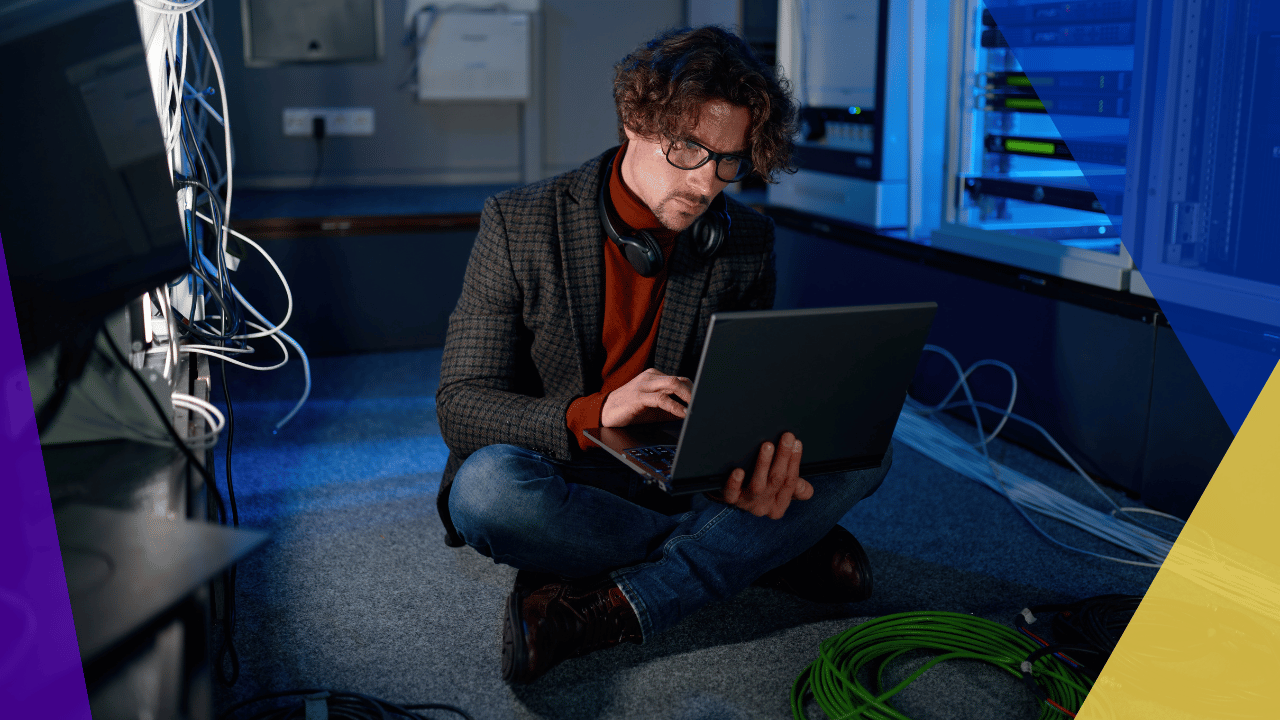
A system administrator keeps a company’s computers, servers, and networks running so daily work never stops.
- They fix technical problems fast and keep systems stable.
- They guard data and block cyber threats.
- They update hardware and software before it falls behind.
As companies lean more on technology each day, the system administrator becomes more and more in demand. Without them, work would slow down and get messy. So this role keeps our systems running smoothly. Learn more about this important job below.
What is a system administrator?
A system administrator (also called a sysadmin) is an IT expert who supports a company’s computer systems and networks. In short, they find and fix tech issues so the whole IT setup performs well.
Part of the job is watching the company’s internet servers. As a result, they can catch and stop anything that might disrupt work.
Roles and responsibilities of a system administrator
The system administrator has a wide range of duties. Together, they keep a company up and running.
Technical support
System administrators are the go-to people for technical support. For example, they handle support tickets or track down the cause of a system failure.
They are ideal for this role because they have the right skills. Often, they design and monitor the system themselves. So only they know exactly how it works.
Managing operating systems
Every computer runs on an operating system. As a result, it is the sysadmin’s job to pick and manage the best one for the team.
This also means managing firewalls and stopping cyber threats. In addition, sysadmins handle the hardware and software and make sure they all work well.
Monitoring and upgrading systems
Sysadmins watch systems to keep them at their peak. For instance, they track traffic, respond to threats, and make sure the company keeps legal and compliant data usage.
Companies also need to stay current with new tech. So sysadmins help with that too.
Part of the job is checking if any hardware or software is due for an upgrade. Because of this, the company never lags behind on technology.
Managing data, permissions, and security
System administrators control who can access a computer system. In other words, they manage permissions, logins, and sign-on rules.
Sysadmins are key to stopping hackers and data leaks. As a result, they run the company’s security measures and set protocols to protect data confidentiality.
What to look for in a system administrator
A good system administrator keeps systems and networks safe and fast. However, that work needs a clear set of skills. Here is what to check for.
System administrator certifications
Sysadmin certifications are not required. Still, they help prove a candidate’s skills.
Candidates can get certified through the Computing Technology Industry Association (CompTIA), the top provider of IT certifications. The most popular ones include:
- CompTIA A+ (foundational IT skills)
- CompTIA Network+ (wired and wireless device management)
- CompTIA Security+ (network security)
Technical expertise
Sysadmins work with computers all day. So they must know the technology well.
They also need deep knowledge of many computer systems. In addition, they should understand local and wide area networks and other data systems.
Problem-solving skills
Sysadmins fix technical problems every day. As a result, a strong candidate needs sharp problem-solving skills.
This includes a strong sense of data literacy and the ability to spot server or system issues fast.
Benefits of hiring a system administrator
Having a system administrator on board is a big plus. In fact, it can help your business in many ways.
System stability and reliability
Sysadmins keep your computer systems stable and working. They watch servers, networks, and other parts of the setup so it all runs well.
As a result, you can focus on your work without breaks. Meanwhile, the sysadmin keeps an eye on the systems at all times.
Robust security measures
As technology grows, so does the number of cyberattacks. However, a system administrator helps stop these threats.
For example, they set up strong security measures and protect data privacy.
Quick problem resolution
When a disruption happens, the sysadmin is ready to act. Because they know the technology well, they solve the problem fast.
As a result, there is little hassle for you or the company.
Performance optimization
Sysadmins help tune an organization’s IT setup. For instance, they track resources, spot bottlenecks, and improve overall efficiency.
Frequently asked questions about the system administrator role
What skills does a system administrator need?
A system administrator needs strong technical skills and problem-solving ability. In addition, they should know networks, operating systems, and basic security. Good communication also helps, since they support many teams.
Do system administrators need a certification?
No, a certification is not required. However, CompTIA badges like A+, Network+, and Security+ help prove skills. So they can make a candidate stand out.
What is the difference between a sysadmin and a network administrator?
A sysadmin manages servers, software, and user access across the whole system. A network administrator focuses mainly on the network itself. Still, the two roles often overlap in smaller teams.
Can you outsource a system administrator?
Yes, many companies outsource this role. As a result, they get skilled support at a lower cost. It also gives them cover across more hours of the day.
Key takeaways
- A system administrator keeps a company’s systems, servers, and networks running smoothly.
- Core duties include technical support, security, and system upgrades.
- Strong candidates bring technical skill, problem-solving, and often a CompTIA certification.
- Hiring a sysadmin brings stability, better security, and fast fixes.
- Outsourcing a sysadmin is a smart, low-cost way to get this expertise.
Outsource a system administrator now
System administrators are in high demand. So companies everywhere want to hire the best ones. Now it is time for your company to do the same.
Outsourcing a sysadmin is a worthy, long-term investment. In addition, it brings many benefits and strong results. So it would be a waste not to use their skills.






 Independent





