
What are digital humans?

What are digital humans?
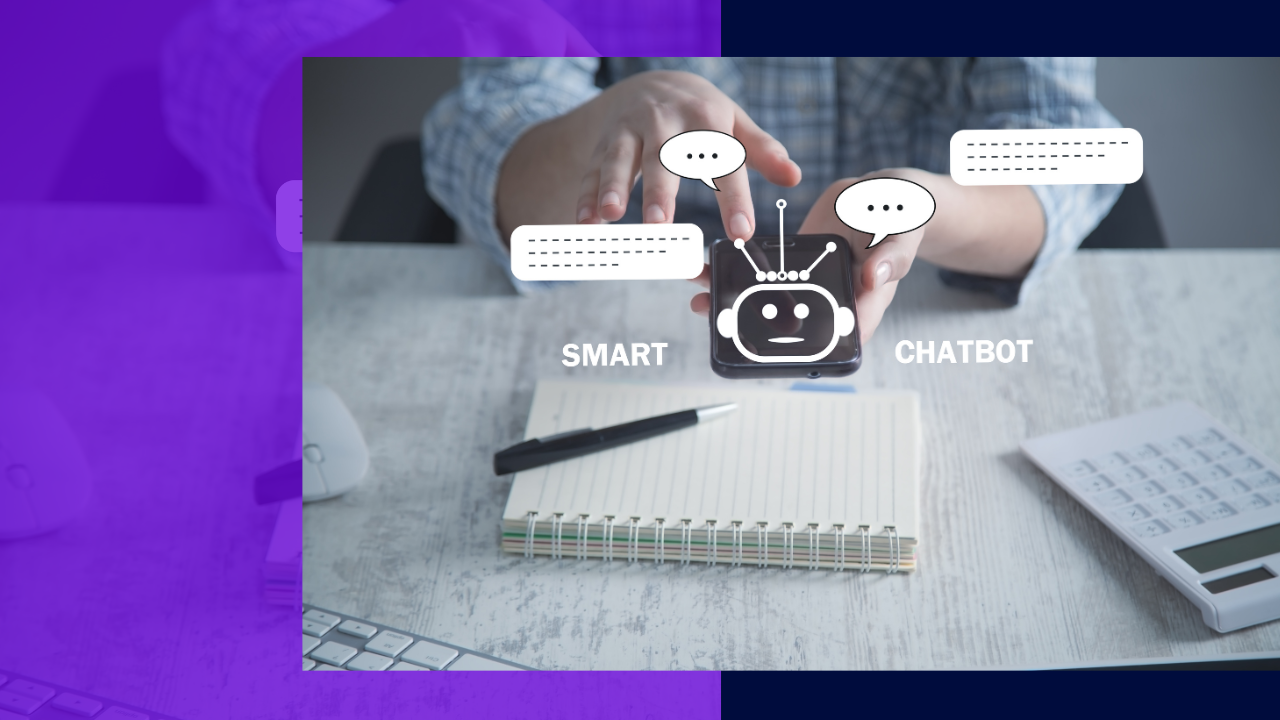
Digital humans are AI-powered, three-dimensional virtual beings that look, sound, and talk like real people, going far beyond basic chatbots.
- They copy human traits like facial expressions and physical movements.
- They engage users more deeply than text-only chatbots.
- They help fields like customer support, education, healthcare, and gaming.
Chatbots are digital programs powered by artificial intelligence (AI) and natural language processing. They recognize how people sound. They also understand what users say when they speak.
When prompted, chatbots give automated replies that mimic human talk. So they are a good fit for people who just want a quick answer.
More recently, the idea of digital humans has taken shape. They are a more advanced version of chatbots. In short, they are smarter and more expressive. They look and sound like people, and they can converse like one too.
Since these human-like AIs arrived, more improvements have followed. So has some controversy. Below, we explain digital humans, their functions, and their risks. You will also learn how different industries can benefit from them.
Defining digital humans
Digital humans are independent, three-dimensional, artificially intelligent entities.
They look human, and they can copy human traits too. For example, they mimic facial expressions and physical movements. This technology is built to interact smartly with real people.
Because digital humans look and sound like people, they engage users more than chatbots. As a result, they offer a richer experience. In fact, it can feel like talking to a friend.
They may be designed to look like a real person. You can even make a digital twin of yourself. Or you can build a fictional character by typing prompts and descriptions.
Still, a disclaimer matters with works of fiction. A digital human may resemble a real person in looks, name, or personality by accident.
To work, a digital human relies on a mix of technologies. These include AI, natural language processing and generation, and advanced 3D modeling. Together, these tools make digital humans what they are.
Applications of digital humans in various industries
Digital humans are interactive tools that share information and assist users. They work much like Apple’s Siri and Amazon’s Alexa. However, they are far more advanced.
Using realistic digital humans has changed how businesses operate in today’s virtual world. For example, a digital human beats a chatbot at explaining complex steps or long product details.
Digital humans also improve the user experience. In turn, they create service that feels more meaningful and emotional. Here are some sectors that use this technology to their advantage.
Customer support
Many businesses use digital humans for customer service and client support.
Because they look human, people tend to engage with and trust them. As a result, they can boost engagement, close sales, and cut product returns.
In short, digital assistants improve efficiency and deliver smoother service. Teams that follow simple chatbot best practices get even better results. They also support multilingual customer support with ease.
Education and training
Digital humans are set to change how we teach. They give AI-driven tools for learning and training. For example, digital teachers can run 24/7 for learners’ convenience.
They can also reach more people by being online. So a learner’s location no longer matters. A digital human can even speak many languages and switch between them for easy access. This is one of many ways AI supports daily work.
Healthcare
Healthcare is another field that digital humans are reshaping. For example, they make medical simulations easier to build and use for training.
Gaming
Video games have grown a lot in graphics, world-building, storytelling, and mechanics. So a digital human can add even more.
In games, some characters you can talk to but never play as. These are non-playable characters (NPCs). Usually, they have a small set of dialogue.
Giving them endless one-sided lines has little value. However, digital humans can change this. They can play NPCs that are fully interactive. As a result, the game feels more immersive and fun.
Virtual influencers
Every day, more self-styled influencers appear. A digital human can work as an influencer or brand ambassador too.
For example, a company can build a digital mascot to promote products and services. As in customer service, a digital human feels more trustworthy and interesting than a chatbot. Many brands pair them with other AI business tools to scale marketing.
In addition, with good programming, they can promote your brand without sounding like pushy sales agents.
Risks that come with digital humans
Technology grows more useful over time. Still, it has downsides too. So digital humans come with risks. Here are the main ones.
User privacy
People tend to trust a digital human, as noted. However, let us look at that trust in a different light.
People who trust a digital human may share personal and private details. As a result, this raises privacy concerns. It also calls for clear rules on privacy protection.
Robots doing human jobs
Technology is advancing fast. This makes many tasks easier. Still, there is a risk of people losing purpose in some fields.
Slowly, the need for human talent in certain jobs is dropping. With human-like virtual beings, that shift may speed up. For example, they can replace some administrative work.
So this is a risk worth watching. It could affect the lives of many people and their families.
Implications on socialization
Some people find it hard to make friends with other humans. As a result, they may treat digital humans as real beings and form emotional bonds with them.
In addition, people may have human friends yet lose interest in real-world contact. Instead, they may rely on digital twins to represent them.
So it is vital to weigh how lifelike digital humans affect socialization. We should study this early and with a careful, professional lens.
Otherwise, this may harm human relationships. It may also hurt the social, physical, and mental well-being of people.
Human children with digital teachers
A child’s mind is very impressionable. In fact, it keeps developing well past the age of 12. You can read about a 12-year-old’s development milestones here.
Children learn how to live by watching adult models. This is a natural process for children of all eras. So having a digital teacher too early may disrupt it.
Human teachers are better equipped to teach children. They have training and experience. They are also a better fit to help raise children. Keep in mind that children may spend about 30 hours a week in school with their teachers.
The future of digital humans
No matter what we do, technology will keep evolving. So we must accept this and adapt to it. Better yet, we should figure out how it can best help us.
The future of digital humans looks bright. Advances in creation, computer graphics, and human interaction keep moving forward.
As you have read, a digital human can improve your sales and customer support. So keep the risks in mind and work around them. In the end, using digital humans wisely will do you more good than harm.
Frequently asked questions
What is a digital human?
A digital human is an AI-powered, three-dimensional virtual being. It looks, sounds, and talks like a real person. In short, it is a more advanced form of a chatbot.
How is a digital human different from a chatbot?
A chatbot mostly answers text questions. A digital human adds a lifelike face, voice, and body. As a result, it feels more engaging and personal.
What industries use digital humans?
Many fields use them. For example, customer support, education, healthcare, gaming, and marketing all benefit from digital humans.
What technologies power a digital human?
Digital humans rely on AI, natural language processing, and 3D modeling. Together, these tools help them look and act human.
What are the main risks of digital humans?
The main risks are user privacy, job loss, and social effects. So companies should use them with care and clear rules.






 Independent





