
What are the ten types of customers you will encounter?


What are the different types of customers you will encounter?
The main types of customers include new, loyal, discount, impulsive, analytical, wandering, practical, referral, unhappy, and rude buyers.
- Each type shops for different reasons and needs a different approach.
- Knowing the types of customers helps you serve them better.
- Good service can turn many of these buyers into loyal fans.
Businesses live or die by how much customers love their products and services. To please current and future clients, you first need to know your market and your types of customers.
So who are your customers? What are the different types of customers? And how do you deal with each one well? Let’s find out.
Who is a customer?
A customer is a person or business that buys goods or services from another business. Customers matter a lot, since they drive revenue and keep businesses running.

The ten types of customers you’ll encounter
To build lasting relationships, you need to know your customers well. There may be more, but here are the top ten types of customers your business will meet.
1. The new customer
The new customer is, well, new. They may be trying your product for the first time or buying from your store for the first time.
Either way, make a great first impression with quality customer service. After all, they would not buy from you if they did not like what they saw. So keep serving them well, and they may become loyal fans.
2. The discount customer
Discount shoppers are thrifty buyers who love a bargain. Their choices depend heavily on the discount they can get. As a result, they rarely buy at full price.
3. The loyal customer
Loyal customers love you, and you love them. These are the buyers who keep coming back for more.
So their opinions really matter. When you can, ask loyal customers for feedback and ideas. In addition, feature them on your social media to show you care. Strong customer retention often starts with this group.

4. The impulsive buyer
This is the best customer to sell to. In fact, your store displays and featured products should target this group. They do not need much convincing and will buy on their own when the conditions are right.
5. The analytical customer
The analytical customer is the opposite of the impulsive buyer. They do heavy research before every purchase.
They want the best version or brand of the product they need. So when you meet them, answer their questions with facts and clear proof. As a result, you build trust and customer satisfaction.
6. The wandering customer
“Just looking” is this person’s motto. This type adds to your store traffic, but the traffic rarely turns into sales.
They may be browsing, window-shopping, or planning a future buy. Still, a wandering customer will remember their experience in your store. So give a good impression, and they will know where to go when they are ready.
7. The practical customer
Practical customers shop with a clear need in mind. They come to buy the things they need and nothing more. So they can become frequent, loyal buyers when they like your product and service.
8. The referral customer
You know you did something right when you get a referral customer. A referral customer is someone sent to you by a glowing recommendation from a happy customer.
This buyer spends their time and money to try your products. So make sure you do not let them down.
9. The unhappy customer
They may be upset about an order mistake or poor service. Still, you can fix most issues through excellent communication and customer service.
So listen to their reasons and show that you care. If you fix the issue well, an unhappy customer can even become a loyal one. Our guide on handling customer complaints can help here.
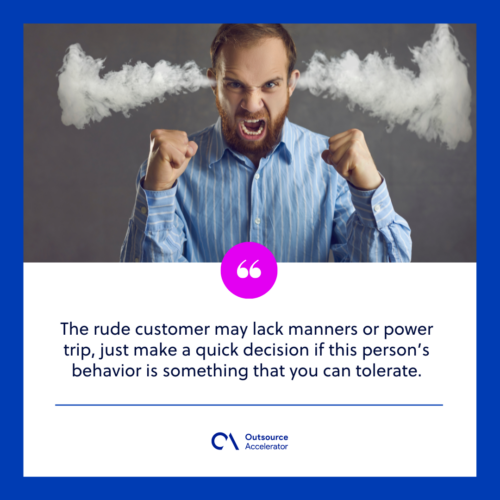
10. The rude customer
The rude customer is the easiest to spot, though this label can be subjective. This article by Business Insider shares real stories of angry customers crossing the line.
They may lack manners or try to power trip. So decide quickly whether you can handle their behavior. Customers always come first, but remember you can refuse service as a last resort.
Why do you need to know the types of customers you’ll encounter?
Knowing your types of customers helps you understand your market and please them. It also helps you prepare for surprises, such as shipping errors. Good customer segmentation makes this even easier.
Whether your staff is outsourced or in-house, train them on these customer types too. New hires benefit the most, since it builds strong customer service skills.
As a result, your team stays proactive and ready. When you sense customer needs and adjust, both sides win.
Frequently asked questions about types of customers
What are the most common types of customers?
Common types include new, loyal, discount, impulsive, and analytical customers. In addition, you will meet wandering, practical, referral, unhappy, and rude buyers.
Which type of customer is best for sales?
The impulsive buyer is often the easiest to sell to. They buy quickly when the conditions are right. Still, loyal customers bring the most value over time.
How do I handle an unhappy customer?
First, listen closely and show that you care. Next, fix the issue with clear communication. As a result, an unhappy customer can become a loyal one.
Why is it important to know your customer types?
Knowing your customer types helps you serve each person the right way. In turn, this builds trust, loyalty, and repeat sales.
Can you train staff on customer types?
Yes, and you should. Training helps your team spot each type fast. So they can adjust their approach and serve better.
Key takeaways
- There are ten common types of customers, each with different needs.
- Great service can turn new, unhappy, or wandering buyers into loyal fans.
- The impulsive buyer sells fastest, but loyal customers bring lasting value.
- Knowing your customer types helps you plan, sell, and serve better.
- Train your team, whether in-house or outsourced, on every customer type.






 Independent





