
How small businesses can access enterprise AI through outsourcing

- Enterprise-grade AI is costly to build alone, mostly because of computing infrastructure, specialist salaries, and clean, well-labeled data.
- Small business AI outsourcing lets a company rent that expertise, tooling, and models from a partner instead of assembling them from scratch.
- A capable provider supplies engineers, governance, and ready infrastructure, so a lean team can launch a project in weeks rather than years.
- Outsourcing carries real limits: you keep ownership of strategy, data quality, and vendor oversight.
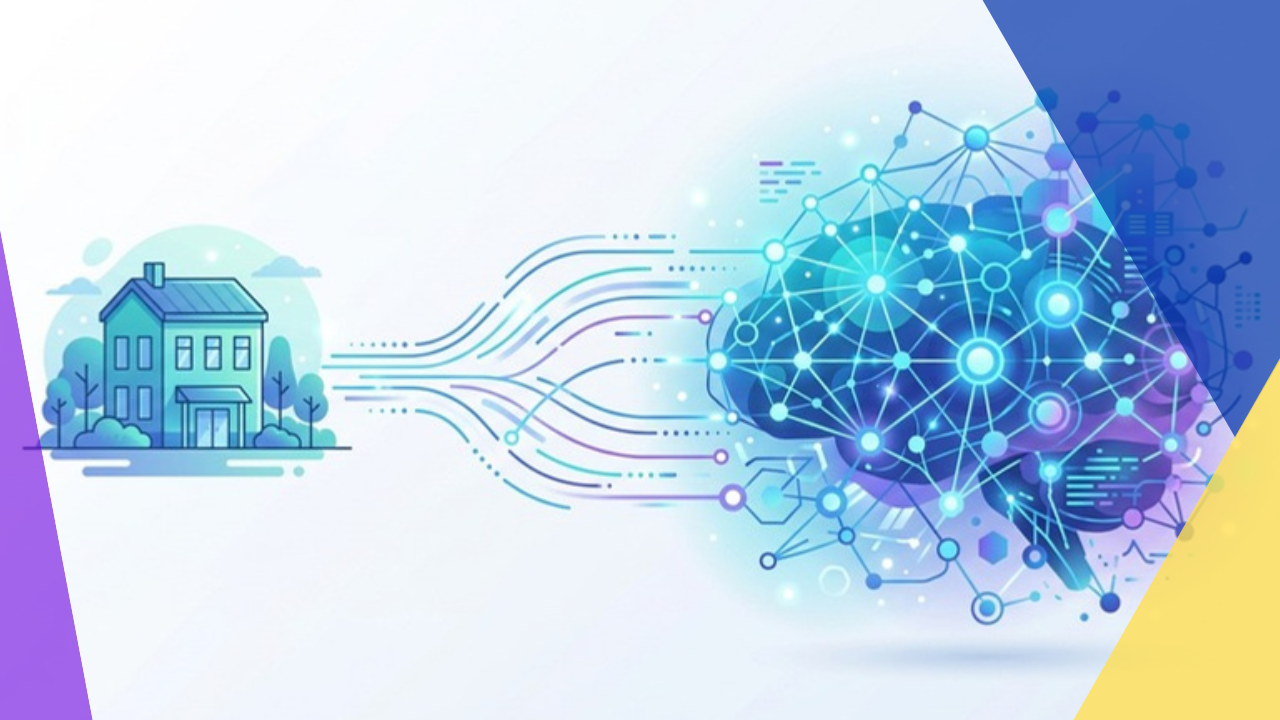
Small business AI outsourcing has become one of the most practical routes for a lean company to use the same class of tools that large enterprises run. Instead of hiring a full data-science team, a smaller firm partners with a provider that already owns the models, the infrastructure, and the talent.
The appeal is simple. Enterprise AI carries a heavy price tag when built from the ground up, and most small businesses lack the budget or the specialists to attempt it.
This guide explains why enterprise AI is hard to build alone, how an outsourcing partner opens the door to it, what to look for in that partner, and where the model reaches its limits. It is written for the companies exploring outsourcing and for the providers who serve them.
Why enterprise AI is hard for a small business to build alone
Building AI in-house means paying for three things at once: infrastructure, people, and data. Each is expensive on its own, and together they put a full enterprise stack out of reach for most smaller firms.
The cost barrier
Training and hosting advanced models demands serious computing power, and that spend recurs every month. Model prices are falling fast; research from Stanford’s AI Index found that the cost of running a capable model dropped more than 280-fold in about two years. Even so, the surrounding platform, integration, and maintenance work still adds up quickly.
The talent gap
Machine-learning engineers and data scientists are scarce and command high salaries. A small business rarely needs a full team year-round, so hiring one full-time is hard to justify and harder to retain.
The data problem
Good AI depends on clean, structured, well-governed data. Many smaller companies hold their information in scattered spreadsheets and disconnected tools, which means months of preparation before a model can produce anything useful.
How outsourcing gives small businesses access to enterprise AI
An outsourcing partner has already made the investments that would sink a small budget. By working with one, a company effectively rents a mature capability rather than building it.
Providers bring pre-built platforms, trained engineers, and established governance, then spread those fixed costs across many clients. That shared model is why delegating AI work to an external specialist can cost a fraction of an in-house build.
The access is broad. A partner can stand up a customer-service assistant, automate back-office processing, or add predictive analytics, then hand day-to-day operation back to your team. For help picking that first project, our piece on using AI for SME growth without overspending is a useful starting point.
| Factor | Building AI in-house | Accessing AI through outsourcing |
|---|---|---|
| Upfront cost | High; infrastructure and hiring before any results | Low; shared platform billed per project or month |
| Time to launch | Months to years | Weeks, using proven components |
| Talent | Must recruit and retain scarce specialists | Provider supplies an experienced team on demand |
| Scalability | Limited by internal capacity | Scales up or down with the contract |
| Control | Full ownership of the stack | Shared; you set strategy, partner runs delivery |
What to look for in an AI outsourcing partner
Not every vendor fits every business, so a short checklist keeps the decision grounded.
Look first at proven experience in your industry and a portfolio you can verify. Ask how the partner handles data security, privacy, and compliance, since your information will leave your own walls.
Confirm that the contract defines who owns the models and the outputs, and check that the provider can integrate with your current systems. Transparent pricing and a defined exit plan matter as much as the technology. The wider move toward AI transformation across the outsourcing industry means more providers now offer these terms as standard.
Benefits and limits
The upside is quick, affordable access to capability that would otherwise take years to build. Adoption is climbing broadly; Stanford’s research notes that the share of organizations reporting AI use reached 78 percent in 2024, and outsourcing is a large reason smaller firms can keep pace.
The limits are just as real. You depend on the partner’s reliability, you must guard against vendor lock-in, and you still own data quality and the strategy behind each project. Outsourcing supplies the engine, but the direction stays with you.
Frequently asked questions
These are the questions small business owners and outsourcing buyers ask most often about reaching enterprise AI through a partner.
What is small business AI outsourcing?
It is the practice of hiring an external provider to design, build, or run AI tools on your behalf, rather than developing them with an in-house team. The partner supplies the models, infrastructure, and expertise.
Is outsourcing AI cheaper than building it in-house?
For most small firms, yes. Because a provider spreads its fixed costs across many clients, you avoid the heavy upfront spend on hardware and specialist salaries and pay mainly for what you use.
What AI tasks can a small business outsource?
Common projects include customer-service chatbots, lead qualification, document and invoice processing, and predictive analytics. Starting with one focused, high-value process tends to work better than a broad rollout.
What are the main risks?
The chief concerns are data security, vendor lock-in, and loss of internal know-how. Clear contracts covering data ownership, security standards, and exit terms reduce each of them.
Key takeaways
Enterprise AI is now within reach of small businesses, provided they access it the smart way.
- Building enterprise AI alone is blocked by cost, scarce talent, and messy data.
- Outsourcing turns those fixed barriers into a flexible, shared service you can start quickly.
- Vet partners on industry track record, data security, integration, and clear ownership terms.
- Keep strategy, data governance, and vendor oversight firmly in your own hands.






 Independent





