
Win customers through effective sales calling


Despite the many sales methods available today, sales calling has stood the test of time. Done well, it still wins customers and builds lasting relationships.
Does sales calling still work?
Yes, sales calling still works, because a live conversation builds trust and uncovers buyer needs faster than most digital channels.
- A good call lets you read tone, answer objections, and nurture relationships in real time.
- It pairs well with other channels, so teams often blend calls with email and social outreach.
- Many firms outsource the task, which keeps costs low while skilled agents handle the dialing.
Sales calling is a role that is frequently outsourced. Many premier outsourcing firms, such as Wing Assistant, offer this type of service. The firm sets up a dedicated assistant or team of skilled sales callers to do the work for your company.
What is sales calling?
Sales calling means contacting a potential customer by phone to generate sales. A call can be made by a salesperson or by an automated system. Its purpose is to create leads by getting people interested in what you offer.
The idea behind sales calling is simple: if your product or service can help a customer, you should be able to show them why it is worth buying. This might sound easy. Still, selling over the phone can be hard.
Sales callers often use scripts, which are pre-written lines and phrases for each call. These scripts keep the message consistent. As a result, they reduce the risk of rejection and help build rapport with customers. For a deeper look at the phrasing that converts, many teams also study proven cold calling best practices before they pick up the phone.

Sales calling best practices
Sales calling can feel scary, especially for first-time agents. Even skilled callers stumble now and then. So here are some best practices to make the process less of a headache.
Know your prospects and their needs
The best sales calls come from people who know what their prospects need. When you are on the phone, it helps to understand what the person wants from your product or service.
This may seem obvious. However, many sellers still waste their first minutes asking basic questions like “how are you today?” Instead, learn about the prospect’s background and challenges before you call. As a result, it becomes easier to tailor your pitch. Strong telemarketing skills make this prep work much faster.
Clearly communicate product value
This step is one of the first things to do. You can show value with a quick demo, which lets the prospect see how the product works. After the call, you can also send an email with a link to a short video or article. For example, a case study can explain why your product is worth their time.
Learn to accept rejections gracefully
The best sales callers know how to handle rejection. They accept “no” and move on without taking it to heart. Because of this, they build long-term trust with prospects and customers.
Next, learn from the experience. Ask why a prospect said no, then keep the reasons in mind for future calls. A manager or mentor can also help you improve your approach. Many teams fold these lessons into their wider outbound sales tactics so no insight goes to waste.
End every call by confirming the next steps
The most important part of any call is making sure the prospect knows what to do next. If there are any hurdles, now is the time to clear them. Sometimes a prospect is not ready to buy right away. Still, they will remember your company if they know you will call again soon.
Use technology to remove tedious tasks
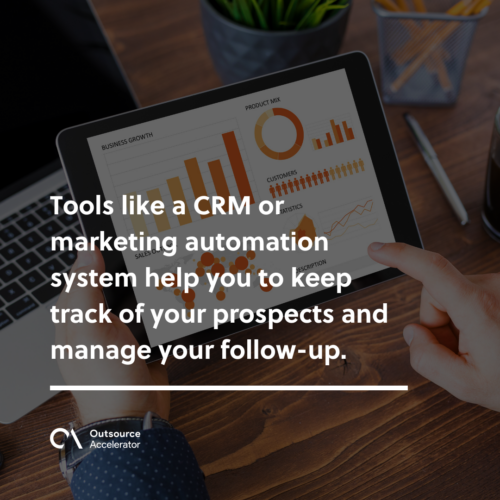
Tools like a CRM or a marketing automation system help you track prospects and manage follow-up. Software can also automate much of the lead-to-customer process. In addition, pairing calls with smart lead generation techniques keeps your pipeline full, so agents always have fresh prospects to reach.
Dedicated sales calling services through Wing Assistant
With Wing Assistant’s sales calling services, you get a dedicated team that handles sales and marketing for your company. Your Wing Caller works much like an outbound call center, but at industry-leading prices.
Wing Assistant makes sure your sales callers work only for you. As a result, they can focus their skill on generating leads and closing deals. Teams that want to compare this model often weigh it against other sales closing techniques before they decide.
Contact Wing Assistant for a sales calling team today.
Frequently asked questions about sales calling
What is the difference between sales calling and telemarketing?
Telemarketing is a broad term for any phone-based marketing, including surveys and awareness calls. Sales calling is narrower. It focuses on moving a prospect toward a purchase. So every sales call is telemarketing, but not every telemarketing call aims to close a sale.
How many sales calls does it take to reach a prospect?
It often takes several attempts to connect with a decision-maker. Because of this, persistence and a clear follow-up plan matter more than any single call. A CRM helps agents track each touch so no lead slips away.
Should small businesses outsource sales calling?
Many do. Outsourcing lets a small team add trained callers without the cost of hiring and training in-house. As a result, owners can focus on the product while skilled agents handle outreach.
What makes a good sales call script?
A good script is short, natural, and easy to adjust. It opens with a clear reason for the call, asks questions, and leaves room to listen. For example, a strong script guides the agent without making the call sound robotic.
How do you measure sales calling success?
Common measures include connect rate, conversion rate, and the number of booked meetings. Tracking these numbers over time shows what works. Then you can refine your scripts and targeting for better results.






 Independent






