
Top 20 countries that offer remote work visas

Which countries offer a remote work visa?
Many countries now offer a remote work visa, also called a digital nomad visa, that lets you live abroad while working for an employer or clients based elsewhere. These visas have become a normal part of global work. However, each one has its own rules and income requirements. Here is what to keep in mind:
- Most require proof that you work for a company outside the host country.
- Most ask for health insurance and proof of steady income.
- Terms range from a few months to several years, and many renew.
Remote work is now a long-term norm for many businesses and employees. As a result, a growing number of firms get requests to let staff work from another country. So governments created remote work visas to welcome this new workforce. Below are 20 countries that offer one.
What is a remote visa?
A remote work visa, also known as a digital nomad visa, is a travel permit. It legalizes the status of professionals who work while abroad. In most cases, these visas are simple to get. For example, they rarely need heavy paperwork or a local job contract. Still, they let you stay for an extended period. So they serve their main purpose well.
Workers from around the world use remote work visas to work from another nation. The visa lets foreigners enter a country and work under its terms. In short, it reflects remote work becoming a lasting norm. As a result, these visas usually apply to employed or self-employed workers.
Is it legal to work remotely from another country?
Yes, working remotely from another country is legal. However, it usually comes with rules and requirements. For example, you often must work for a company or be self-employed in your home country. In addition, you cannot take local work or pay without a separate permit.
Also, accepting such a request carries real consequences for employers. Local law often applies where the employee does the work. So the longer someone stays, the more likely local rules kick in. Because of this, both sides should check the terms first. Weighing the benefits of remote work against these rules helps you plan well.
Countries with remote work visas
Indonesia
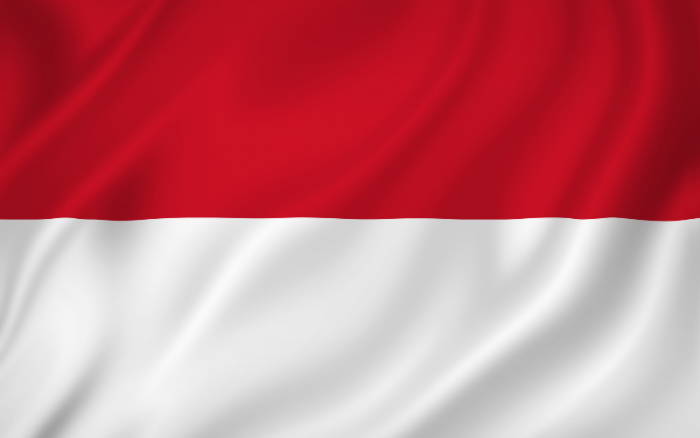
Bali has long been a favorite base for remote workers. In recent years, Indonesia rolled out a dedicated remote worker visa for digital nomads. So you can now live on the island while working for clients abroad. For example, many freelancers choose Bali for its low costs and strong community.
Georgia
Ninety-five countries can enter Georgia visa-free and stay up to 365 days. In addition, Georgia created the ‘Remotely From Georgia’ program. So foreign workers can come and work from the country with ease. As a result, it remains a popular low-cost base.
Australia
You will need the First Working Holiday Visa to work remotely in Australia. It lets digital nomads stay for a year, with an option to extend. If you meet certain conditions, you can also apply for a Second Working Holiday Visa.
Conditions:
- Ages of 18 and 35.
- Present a passport from a nation that qualifies.
- Anyone is welcome to work while you are in the country.
Barbados
Barbados offers a special Welcome Stamp for remote workers. So you can live and work on the island for a year. In addition, you can extend by reapplying once it expires. To qualify, you must run a location-independent business or work for a company based outside Barbados.
Germany

Germany’s self-employed visa is the Aufenthaltserlaubnis für selbständige Tätigkeit. It is a residence permit for freelancers and self-employed people. However, approval can take three to four months. So plan ahead when you apply.
Particular requirements:
- You’ll need a German address.
- Proof of health insurance is required.
- Demonstration of financial self-sufficiency.
- Clients who are based in Germany
Portugal

Portugal now offers the D8 digital nomad visa for remote workers. It runs for one year and renews for up to five years. After five years, you can apply for permanent residency. Lisbon is also one of Europe’s most exciting cities. For example, it mixes calm beaches with lively nightlife. So many digital nomads choose it as a long-term base.
Particular requirements:
- Proof of company ownership or proof of financial resources to operate a business sustainably.
- A stable monthly income set at roughly four times the Portuguese minimum wage.
- You must show proof of your travel and medical insurance.
- A criminal record check is required.
Spain

Spain now offers a digital nomad visa under its Startup Act. So remote workers and freelancers can live there legally. In fact, it can lead to residency for up to five years. In addition, Barcelona’s tech sector keeps growing fast. To qualify, most of your income must come from outside Spain. As a result, Spain has become one of the top destinations for digital nomads.
Norway
Norway stays a popular pick for digital nomads and freelancers. The cost of living runs higher than the European average. Still, strong business opportunities often make up for it. In addition, Norway offers excellent, well-organized public services. So daily life feels manageable.
Mauritius
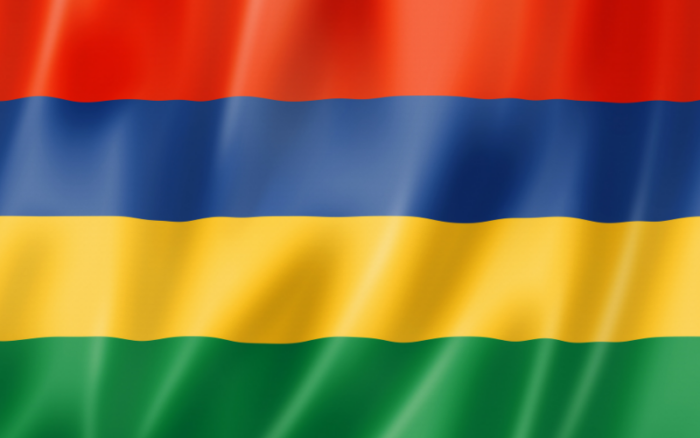
Mauritius sits off the coast of East Africa and offers a Premium Travel Visa. So you can work from an island in the Indian Ocean. The visa lasts up to a year and is open to non-citizens. In short, it suits freelancers and remote workers who want sun and sea.
Malta
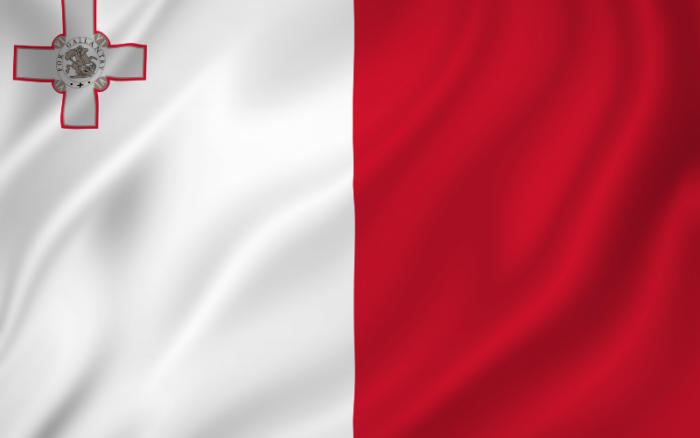
Malta offers the Nomad Residency Permit, aimed at non-EU remote workers. It runs for one year and can be extended. In addition, Malta has a nationwide 5G network and English as an official language. For example, it also enjoys more than 300 sunny days a year.
Dubai (UAE)’
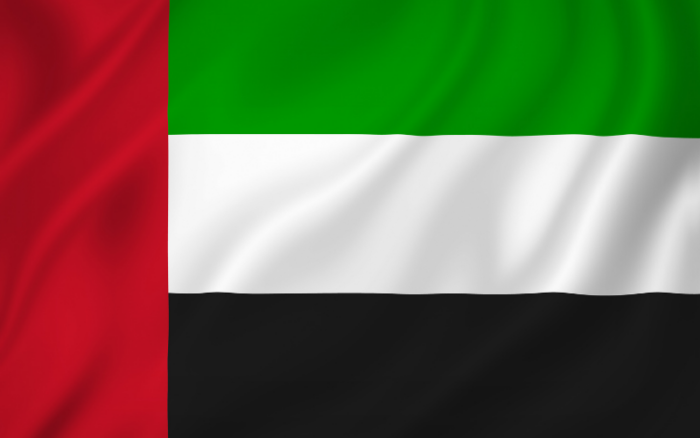
Dubai runs a year-long virtual working program for remote workers and digital nomads. So you can live in this seaside city for a year and pay no income tax. The visa also lets you bring your family while you work for a home-country employer. In addition, you get full access to services like telecoms, utilities, and schooling.
Croatia
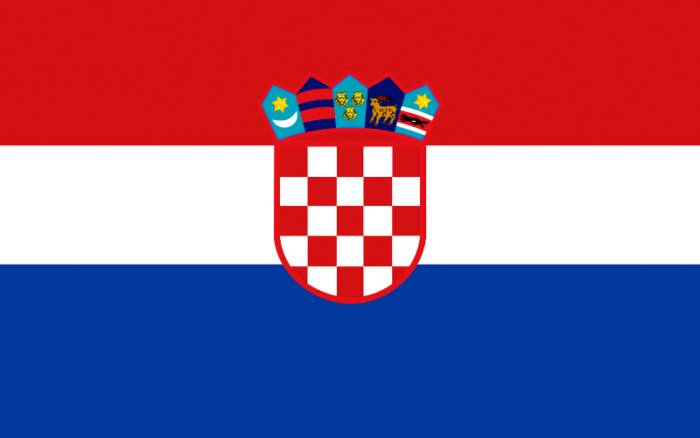
Croatia offers digital nomad visas for remote workers. However, processing can take up to 12 months. In addition, you must be physically present in Croatia to apply. So you cannot file for this long-term residency from another country.
Costa Rica
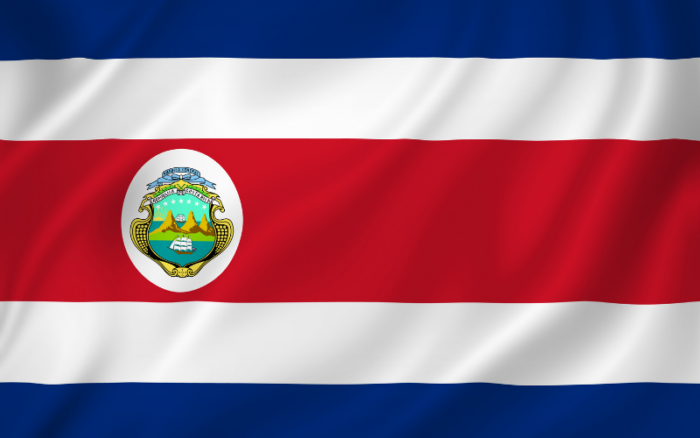
Many travelers choose Costa Rica as their base. For example, they enjoy the laid-back lifestyle, great surfing, and beautiful beaches. The Rentista visa lets people stay for two years. However, you cannot work for a local company on this visa if you are self-employed or an entrepreneur.
Cayman Islands

The Cayman Islands offer the Global Citizen Certificate for digital nomads. So visitors can stay for up to two years on the islands. In short, it targets higher earners who work remotely.
Particular requirements:
- You must work for a company based outside of the Cayman Islands.
- A notarized bank reference letter.
- Background checks on all applicants.
- Proof that you have health insurance.
Montserrat
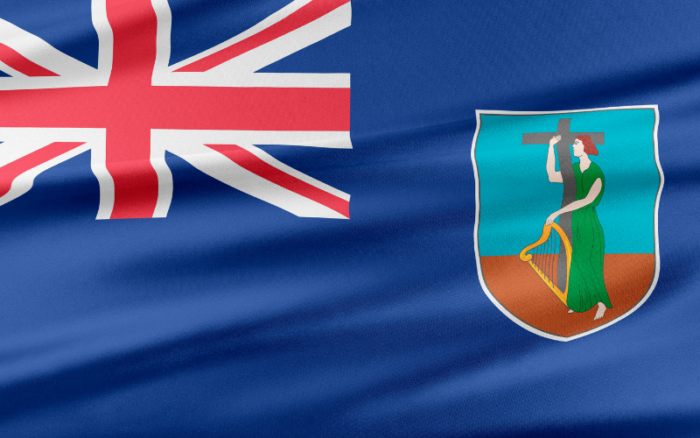
Montserrat, a UK territory, wants to attract more digital nomads and boost tourism. So it created the Montserrat Remote Work Stamp. As a result, overseas freelancers can live and work there for a renewable 12-month period.
Particular requirements:
- Proof of health insurance that is valid for the duration of your anticipated stay.
- One passport-size photo
- Proof of Employment or a Certificate of Incorporation
- Evidence of your yearly earnings
- A copy of Passport Biographical Data is required.
- Official copy of your police record or confirmation that you don’t have one
Iceland

Iceland offers a long-term visa for digital nomads and remote workers. However, it lasts only six months. So it is one of the shortest options available. If you apply while already in the European Schengen Area, your visa is valid for just 90 days.
Conditions:
- You must own or work for a company headquartered outside of Iceland.
- Proof of employment or self-employment
- You must show evidence of Iceland-specific travel and medical insurance.
Estonia
Estonia was the first country to offer an e-residency program. It is a digital ID that grants access to government services. In addition, e-residency helps make businesses more transparent. For remote workers, getting e-residency is fairly easy.
Czech Republic (Czechia)
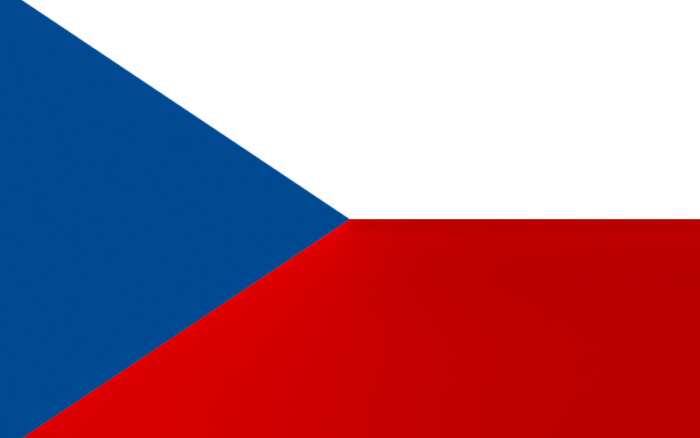
Czechia offers the Zivno visa for digital nomads. However, it is more complex than some other options. The country is also rich in history and striking architecture. So it rewards those who settle in for a longer stay.
Bermuda
Bermuda has joined the countries that accept remote work visas. The program targets professionals who usually work from home. So it aims to draw long-term visitors to the island. In addition, living costs can be reasonable. For example, the beaches are stunning and the weather is often sunny.
Thailand
Thailand is now a top base for digital nomads, especially in Chiang Mai and Bangkok. For example, it offers a low cost of living and fast internet. Tourist visas run for three months and can extend for another six. In addition, Thailand now offers longer-stay options for remote workers. So the country keeps getting more nomad-friendly.
Is remote working better than working in the office?
Remote work removes the daily commute, which is a big plus. For example, many employees would give up a lot to avoid the trip. So the time savings alone can lift morale. The right remote working equipment also makes home setups more productive.
Still, office work has clear benefits too. For example, being around coworkers can improve work-life balance. In addition, it helps separate social and work matters. So a hybrid workforce often works best. Many companies that allow remote work now blend both models.
Often, working from home is possible and even preferred. However, face-to-face collaboration still matters. So treat full remote days as one option, not the only rule. Ultimately, the best setup mixes remote and on-site work to fit your goals. Building a strong remote team also takes clear systems and trust.
Frequently asked questions
What is the difference between a remote work visa and a tourist visa?
A tourist visa does not let you work legally. Meanwhile, a remote work visa does, as long as your income comes from abroad. So a digital nomad visa fits longer stays with active work. In addition, it often allows renewals that a tourist visa does not.
Do I pay tax on a remote work visa?
It depends on the country and how long you stay. For example, places like Dubai charge no income tax. However, others may tax you after a set period. So check local tax rules and any treaty with your home country first.
Can my family join me on a remote work visa?
Often, yes. Many programs let you bring a spouse and children. However, you usually must show extra income to support them. So read each visa’s family terms before you apply.
What do I usually need to qualify?
Most visas ask for proof of remote income and valid health insurance. In addition, many request a clean criminal record and a passport copy. So gather these documents early. As a result, your application moves faster.
How long can I stay on a remote work visa?
Terms vary widely by country. For example, Iceland allows about six months. Meanwhile, Spain and Portugal can lead to several years of residency. So pick a destination that matches your plans.






 Independent






