
What is patient safety monitoring?

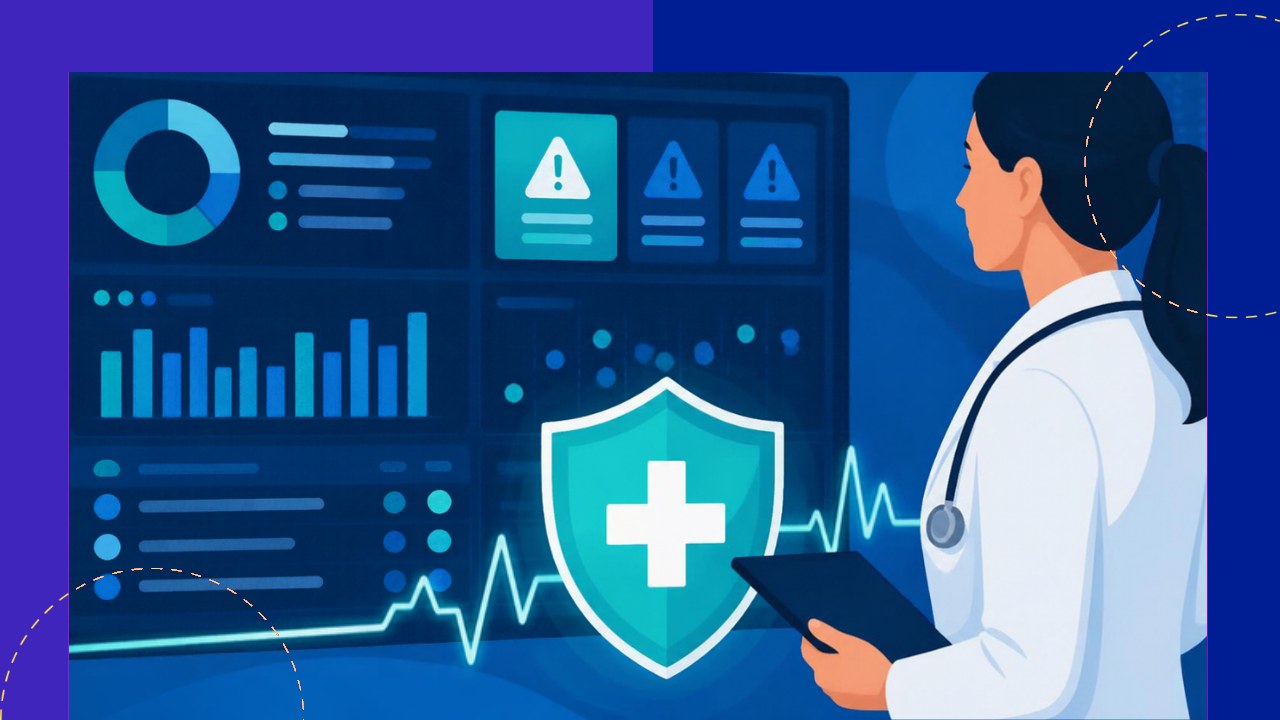
- Patient safety monitoring is the ongoing work of tracking, reporting, and reviewing harm and near misses so a care team can act before problems repeat.
- It relies on incident reports, safety alerts, dashboards, and near-miss data, then turns that information into concrete process fixes.
- Many providers use trained back-office or outsourced support to log events, chase missing data, and keep dashboards current, freeing clinical staff for care.
Patient safety monitoring is how a healthcare organization keeps watch over the harm that can happen during care. It means collecting reports of adverse events, tracking near misses, flagging risks in real time, and reviewing the patterns behind them. The goal is simple. Spot the danger early, then fix the process so the same mistake does not reach the next patient.
This work sounds routine, but it is one of the hardest parts of running a clinic or hospital. Events go unreported. Data sits in spreadsheets no one reviews. Alerts pile up until staff tune them out. Good monitoring turns that noise into a clear signal that leaders can use. Below, we break down what it covers, the tools behind it, and how the data leads to safer care.
What patient safety monitoring actually tracks
Safety monitoring starts with clear definitions. Teams need to agree on what counts as an event before they can count anything. AHRQ’s Patient Safety Network draws three useful lines.
Adverse events
An adverse event is “an injury that was caused by medical management (rather than the underlying disease)”, according to AHRQ. A medication reaction or a fall during a hospital stay would qualify. These are the events that already reached the patient.
Near misses
A near miss is an error that almost caused harm but did not, often through luck or a quick catch. These matter a great deal. They reveal a weak process before anyone gets hurt, so they hand teams a free warning.
Errors
An error is doing the wrong thing or failing to do the right thing. Not every error causes injury. Still, each one points to a gap worth closing in training, staffing, or system design.
The tools behind a monitoring program
A monitoring program is more than a suggestion box. It combines several methods so that different risks show up in different ways.
Incident reporting systems
Most programs rest on voluntary event reporting. Frontline staff log what they saw, and the system files it for review. AHRQ describes these as passive surveillance that relies on people to speak up. They work well for catching near misses that no chart would ever reveal.
But there is a catch. AHRQ notes that event reporting systems “are best used as a way of identifying issues that require further, more detailed investigation.” A report is a starting point, not an answer.
Safety alerts and triggers
Alerts add a real-time layer. A drug interaction warning or an allergy flag can stop harm before it happens. Automated triggers can also scan records for warning signs, such as an antidote order that hints at an earlier medication error. These methods catch events that busy staff might never report by hand.
Dashboards and trend review
Raw reports mean little on their own. Dashboards pull the numbers together so leaders can see rates, patterns, and outliers at a glance. A good dashboard shows falls by unit, infection trends over time, or a spike in medication errors. That view turns scattered reports into a story a safety committee can act on.
How data turns into safer care
Monitoring only helps if it changes something. The link between data and safer care runs through a few steps.
1. Capture the event
First, the event has to be recorded. That depends on a culture where staff feel safe reporting without blame. If people fear punishment, reports dry up, and the data goes blind.
2. Investigate the pattern
Next, teams look past the single event to the cause behind it. One fall might be bad luck. Ten falls on one shift suggests a staffing or equipment problem. Careful review separates the two.
3. Change the process
Then comes the fix. Maybe a form gets redesigned, a checklist gets added, or a high-risk drug gets a double check. The change is the whole point of monitoring.
4. Measure again
Finally, teams watch the numbers to see if the fix worked. This is where honest measurement matters. AHRQ warns that “measurement of specific adverse events remains a complex and evolving area, and there is no gold standard for measuring overall safety at an institutional level.” So teams use several measures together rather than trusting one.
Where support staff and outsourcing fit
Safety monitoring creates a heavy administrative load. Someone has to log events, chase missing details, clean the data, and keep dashboards current. Clinical staff rarely have time for all of it, and rushed data entry weakens the whole program.
This is why many organizations lean on trained support teams for the non-clinical parts. An outsourcing provider can staff event-report intake, standardize how data gets coded, and prepare reports for safety committees. Skilled staff keep the pipeline clean so clinical leaders spend their time on judgment, not typing.
The clinical decisions stay in-house, of course. Deciding what an event means is a job for licensed staff. But the surrounding data work can be handled by well-trained support, much the way providers already use delegated healthcare support functions for billing and coding. Reliable data also strengthens good coordination across a patient’s care journey.
Handled well, patient safety monitoring becomes a steady habit rather than a scramble after something goes wrong. That habit is what protects the next patient.
Frequently asked questions
How is patient safety monitoring different from a quality audit?
A quality audit is a periodic deep dive, often on a sample of charts, to judge whether care met a standard. Monitoring runs continuously and watches live events as they occur. Audits tell you how you did last quarter. Monitoring tells you what is happening now, so the two work best as a pair.
Why are near misses worth reporting if no one was harmed?
A near miss often shares the same root cause as a serious event that has simply not happened yet. Studying near misses lets teams fix the weak spot in advance rather than after an injury.
What makes staff actually report events?
A blame-free culture matters most. When staff trust that a report leads to a system fix rather than personal punishment, reporting rises. Fast, visible follow-up helps too. People keep reporting when they see their input drive real change.
Can smaller clinics run a monitoring program without a big budget?
Yes. A small practice can start with a simple event log, a monthly review meeting, and a short list of tracked measures such as falls or medication mix-ups. The method scales down. Outsourced support can then cover data entry and reporting, giving a small team the structure of a larger program.






 Independent





