
What is multilingual patient assistance?

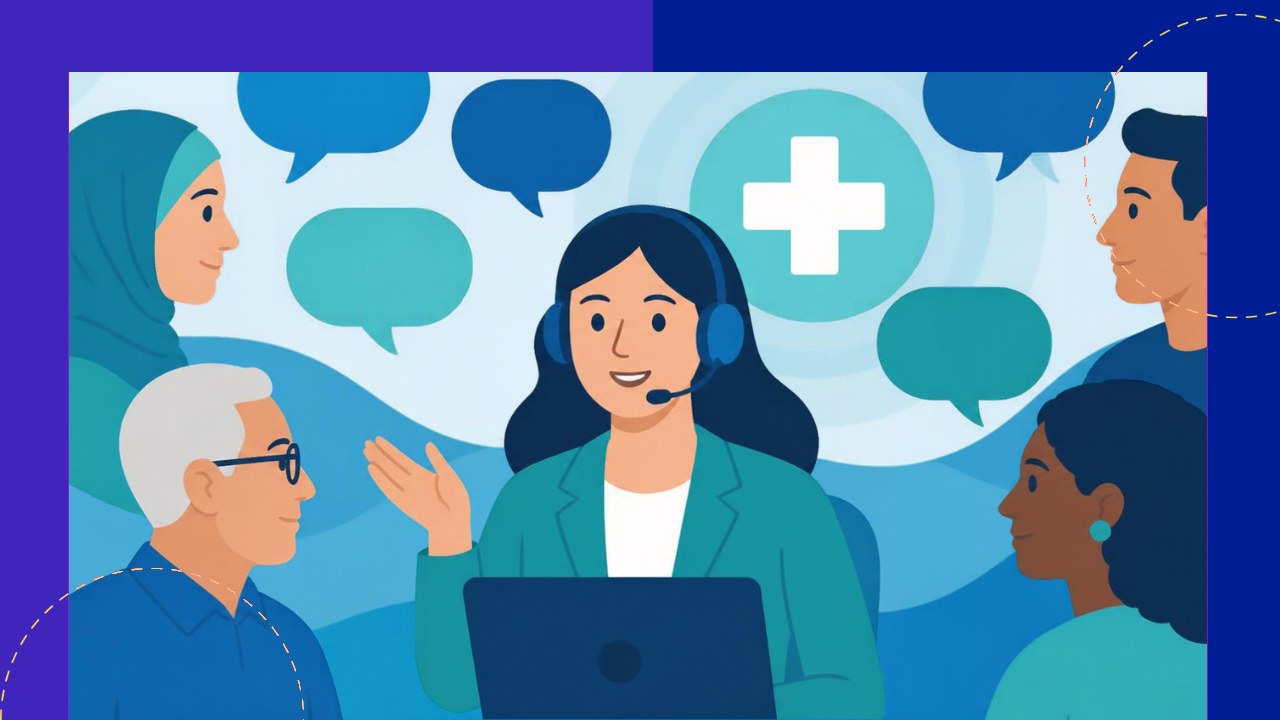
- Multilingual patient assistance helps patients who speak little English understand their care through interpreters, translated forms, and support by phone or chat.
- It supports both access and the rules, since national standards expect providers to offer language help at no cost to the patient.
- Clinics can widen coverage at low cost by adding trained bilingual staff or an outsourcing partner across time zones.
Multilingual patient assistance is the help that lets patients who speak little English understand their care. It covers spoken help during visits. It covers translated forms and instructions. And it covers phone or chat support in the languages a community speaks. The goal is simple. Every patient should be able to follow a diagnosis, ask questions, and agree to treatment.
This matters because language gaps affect safety, not just comfort. A patient who cannot explain symptoms may get the wrong care. A patient who cannot read discharge notes may take a drug the wrong way. So language access now sits beside billing and clinical care as a mark of quality.
What multilingual patient assistance means
At its core, this work removes the language barrier between a patient and their care team. It is not clinical care itself. It is the layer that makes clinical care easy to understand.
That layer shows up in small moments. A patient calls to book a visit and reaches someone who speaks their language. A consent form arrives in a version they can read. During a visit, a trained interpreter passes the talk both ways. Each step lowers confusion. Each step builds trust.
Why it matters for access and compliance
Language access is now a basic expectation for health providers. The U.S. Department of Health and Human Services publishes the National CLAS Standards. They give a blueprint for care that fits a patient’s language and culture. Standard 5 asks providers to “offer language assistance to individuals who have limited English proficiency and/or other communication needs, at no cost to them.”
The standards go further. They ask providers to tell patients about the help on offer. They ask for trained, qualified interpreters. And they warn against leaning on family members or children to interpret. Written material should come in the languages people use most in the area.
Clear talk is a safety issue too. The CDC’s health literacy guidance urges “culturally and linguistically appropriate language,” so patients can find, grasp, and use the facts. When patients understand the plan, they take drugs correctly. They also come back for follow-up more often.
The core services involved
Medical interpretation
An interpreter turns spoken words from one language to another in real time. This can happen during a visit or a call. Good medical interpreters know clinical terms. They also stay neutral and do not add their own views. They may work on site, by phone, or over video. Phone and video reach rare languages fast, with no long wait for someone in person.
Translated forms and instructions
Translation covers written material. Intake forms, consent papers, discharge notes, and reminders all need correct versions in the right languages. Good translation is more than swapping words. It keeps the meaning, tone, and reading level, so patients truly get it.
Multilingual phone and chat support
Much of the patient journey happens outside the exam room. Patients call to book, ask about a bill, or check a result. Multilingual support means these talks happen in the patient’s language from the first hello. That cuts dropped calls and repeat contacts. It also takes pressure off front-desk staff.
Delivery models compared
There is no single right way to deliver language access. Most clinics mix methods based on volume, budget, and the languages they see. The table below shows the common trade-offs.
| Model | Best for | Trade-off |
|---|---|---|
| On-site interpreters | Complex visits, high-volume languages | Higher cost and scheduling effort |
| Phone and video interpreting | Rare languages, urgent needs | Depends on connection quality |
| In-house bilingual staff | Routine calls and intake | Limited to the languages on staff |
| Outsourced multilingual team | Extended hours and scale | Needs clear oversight and HIPAA safeguards |
Many providers widen their reach by adding bilingual support representatives for scheduling and questions. Others fold language access into broader outsourced healthcare support functions. That way coverage runs across time zones with no new local hires.
Building a dependable language-access program
1. Map your patient languages
Start with data. Check intake records to see which languages come up most. That shows where to focus translation and staffing first. It beats guessing.
2. Use trained interpreters, not stand-ins
Do not ask family members or untrained staff to interpret clinical details. Trained interpreters cut errors and guard privacy. They also handle sensitive topics with care.
3. Translate the documents that carry risk
Start with consent forms, discharge notes, and drug guidance. These carry the most risk if a patient misreads them. Then move on to reminders and general information.
4. Protect data at every step
Any interpreter, vendor, or offshore partner who sees patient details must follow strict privacy rules. Confirm HIPAA-aligned safeguards, signed contracts, and secure systems before work starts.
Frequently asked questions
Is multilingual patient assistance only for large hospitals?
No. Small clinics and single-specialty practices often need it just as much. This is true in diverse neighborhoods. On-demand phone and video interpreting lets a small office cover dozens of languages. There is no need to hire for each one, so cost tracks actual use.
Can bilingual employees just interpret when needed?
Speaking a language is not the same as being trained to interpret. A bilingual receptionist may book visits well. Yet the same person may struggle with dosage terms or consent details. Formal training and testing close that gap and lower risk.
How does this differ from general health literacy work?
Health literacy makes information clear for everyone, including English speakers. Multilingual patient assistance adds the language bridge on top. So the clear message also reaches people who read or speak another language. The two efforts support each other.
What should I check before outsourcing language support?
Ask about interpreter credentials, the exact languages covered, average connect times, and quality checks. Confirm data-protection terms in writing. It also helps to run a short trial on real call volume first. Then commit to a full rollout.






 Independent





