
5 IT security services to enhance business protection

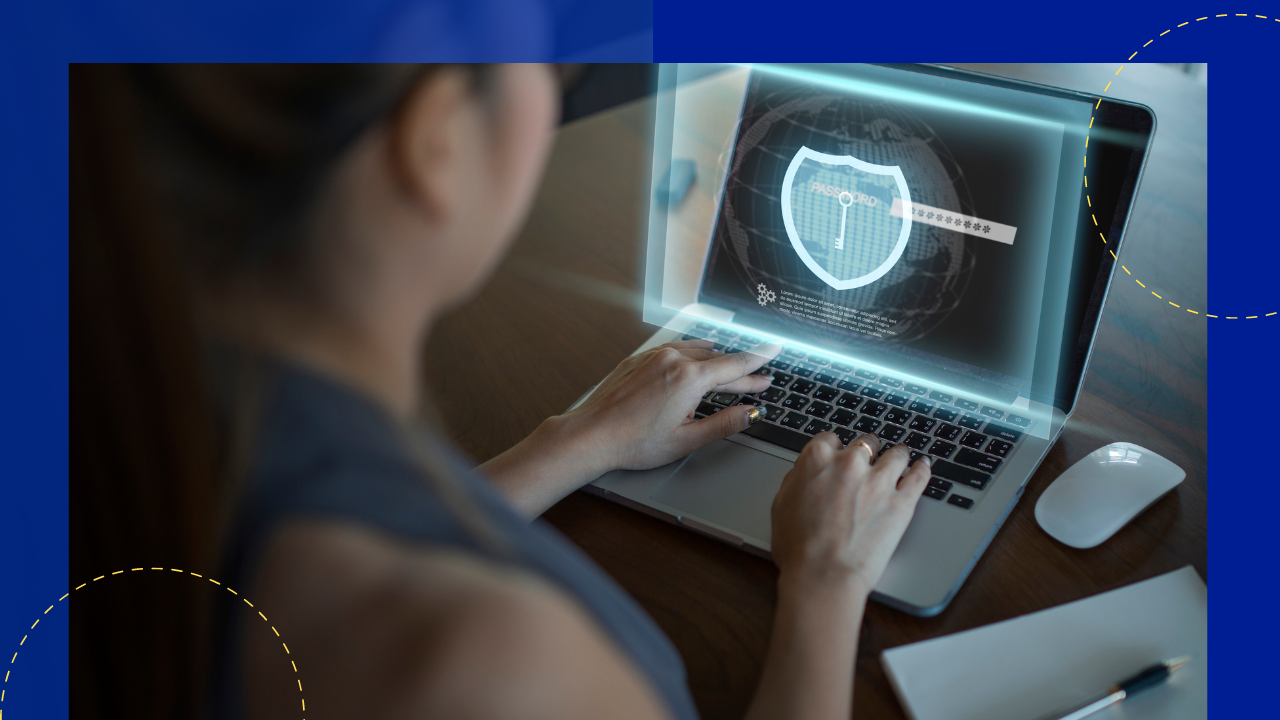
Keeping your business safe from cyber threats is vital today. For a start, strong IT security services protect your data, systems, and reputation. So this guide covers five essential IT security services that boost your business protection.
What are the main IT security services businesses need?
The main IT security services are network security, cloud security, endpoint security, antivirus and antimalware, and data loss prevention.
- They keep your data, devices, and networks safe from attacks.
- They help you meet data protection rules and standards.
- They build trust with customers and partners.
In short, each one guards a different part of your digital world. First, let us define what these services are. Next, we will walk through the five core types.
What are IT security services?
IT security services are a set of methods, tools, and actions. In practice, they keep IT systems, networks, and data safe from cyber dangers and unwanted access. As a result, your digital assets stay private, reliable, and available.
Importance of IT security services
First, IT security services keep data, systems, and operations safe. In addition, they make sure rules are followed. So they help you build trust with stakeholders. Meanwhile, because threats keep changing, firms must invest in strong IT security measures for long-term success. As a result, following cybersecurity best practices makes these measures far more effective.
5 types of IT security services
IT security services guard your digital assets and defend against cyber threats. So here are five common types to know.
1. Network security
First, network security keeps data and communication flowing safely within a network. For example, it uses firewalls, intrusion detection systems (IDS), and virtual private networks (VPNs). As a result, it blocks unwanted access and cyber threats. In addition, strong data and network security is the first line of defense.
2. Cloud security services
Cloud security services protect data stored on cloud platforms. Meanwhile, more firms now use cloud tools every day. So guarding that data from breaches and loss is a top concern.
3. Endpoint security
Next, endpoint security protects devices linked to a network. For example, this includes computers, laptops, phones, and tablets. In practice, it uses antivirus software, firewalls, and other tools. As a result, it keeps devices safe from malware and unwanted access.
4. Antivirus and antimalware solutions
Antivirus and antimalware are key tools against harmful software. For example, they find and remove viruses, worms, and ransomware. As a result, they stop these programs before they cause harm.
5. Data loss prevention (DLP)
Finally, DLP services stop sensitive data leaks. In practice, they monitor data in use, in transit, and at rest. In addition, they help you meet data protection rules and industry standards. So good IT security and compliance habits keep you on the right side of the law.
How to choose the right IT security service provider
Picking the best IT security service provider is key to staying safe. So here are some tips to help you choose well.
- Assess your needs: First, identify the IT security services you need for your setup. So knowing your weak spots points you to the right provider.
- Experience and reputation: Next, look for a proven track record and good reviews. As a result, you get a partner who can handle evolving threats.
- Range of services: In addition, make sure the provider covers all parts of your digital world. So you get full protection for your systems.
- Security measures and compliance: Also, ask about their controls and standards. This shows they take data protection seriously.
- 24/7 support: Finally, cyber threats can strike anytime. So a good provider offers round-the-clock support for fast response.
In short, weighing experience, reputation, and range of services helps you find the right partner. Meanwhile, many firms also consider outsourced cybersecurity services to fill skills gaps. As a result, a focus on data security in outsourcing keeps your records protected as you scale.
Cultivate your IT security with Booth
When it comes to keeping your digital assets safe, Booth is a strong choice. For example, it brings years of experience and a proven track record. So it offers IT security services built around your needs.
Meanwhile, Booth’s team of experts works to keep your data and systems secure. As a result, you can trust Booth to shield your digital world from cyber threats. In short, you know your information is in capable hands.
So Booth is ready to enhance your IT security and protect your business.
Frequently asked questions
What is the difference between IT security and cybersecurity?
First, IT security covers all your systems, data, and hardware. By contrast, cybersecurity focuses on threats from the internet and networks. So cybersecurity is one important part of broader IT security.
Do small businesses need IT security services?
Yes, small firms are common targets because their defenses are often weak. For example, one breach can be costly and hard to recover from. So even basic IT security services are worth the spend.
Should I outsource IT security services?
Outsourcing works well when you lack in-house security skills. For example, a provider brings expertise and round-the-clock monitoring. As a result, you get strong protection without hiring a full internal team.
How often should IT security be reviewed?
First, review your IT security at least once a year. In addition, review it after any major change or incident. As a result, regular checks help you catch new risks before attackers do.
What is data loss prevention?
In short, data loss prevention, or DLP, stops sensitive data from leaking out. For example, it watches data in use, in transit, and at rest. In addition, it helps you meet data protection rules.






 Independent






