
What is IT cost optimization outsourcing?

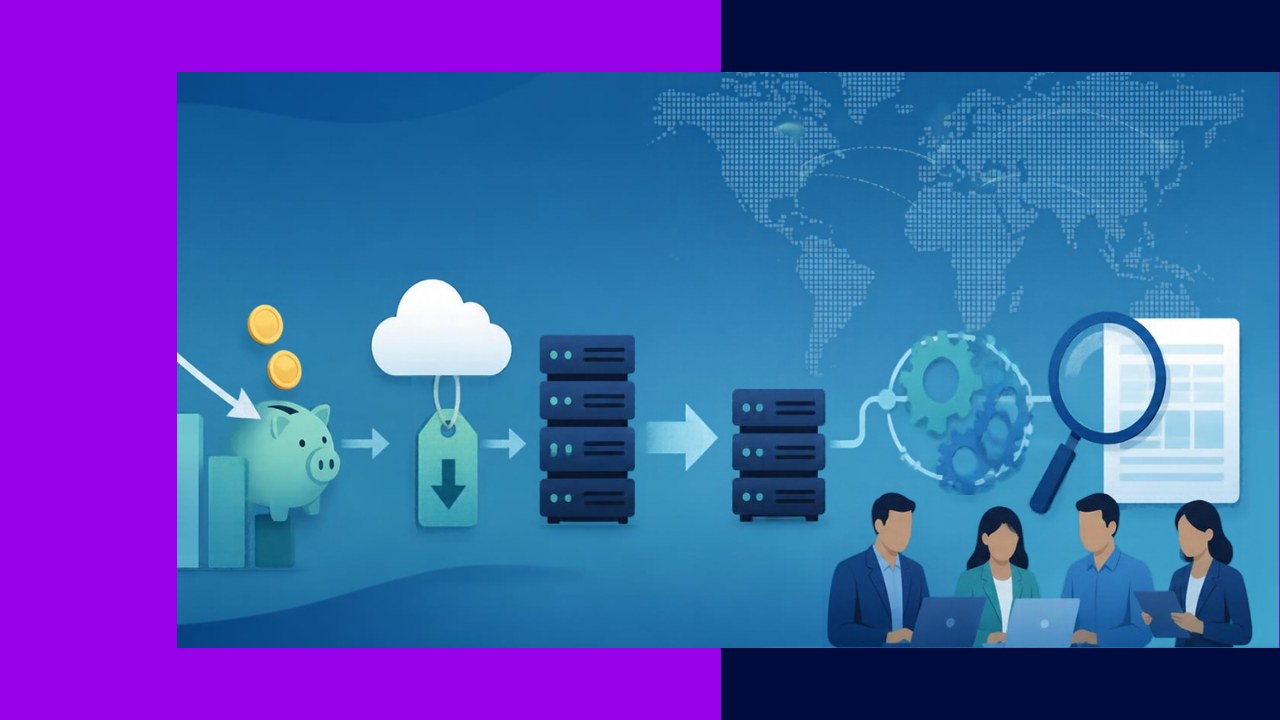
- IT cost optimization outsourcing hands your technology spending to an external partner whose job is to cut waste while keeping systems running well.
- Savings come from several levers at once: cheaper labor, right-sized cloud, fewer licenses, consolidated tools, and automation.
- The real win is structural, not a one-off discount, so measure value delivered and guard against hidden fees before you sign.
IT cost optimization outsourcing is the practice of hiring an external partner to lower your technology spending without hurting performance, security, or service levels. The provider reviews what you run, finds the waste, and reshapes how you pay for it. Done well, it turns a bloated IT budget into a leaner one that still supports growth.
This is not the same as cost cutting. Cutting means slashing budgets and hoping nothing breaks. Optimization means spending smarter, so every dollar maps to real business value. An outside team often spots savings your internal staff miss, simply because they see the same patterns across many clients.
What IT cost optimization outsourcing actually does
A good partner starts with a baseline. They audit your infrastructure, software, contracts, and cloud bills. Then they rank the opportunities by effort and payback. Quick wins come first, such as shutting off idle servers. Structural changes, like renegotiating a vendor contract, follow.
The work is ongoing, not a single project. Cloud bills drift upward. New tools get bought and forgotten. So the provider keeps monitoring, reporting, and adjusting month after month. That continuous discipline is what separates optimization from a one-time cleanup.
Where the savings come from
Most engagements pull on five levers. Few programs use all of them, but the more a partner can reach, the bigger the result.
Labor arbitrage
Skilled IT talent costs far less in offshore and nearshore markets. In the United States, computer and IT occupations had a median annual wage of $109,470 in May 2025, according to the Bureau of Labor Statistics. Comparable roles in the Philippines or Eastern Europe often cost a fraction of that. Moving support, maintenance, or development offshore can trim labor spend sharply while keeping quality high.
Cloud optimization
Cloud waste is everywhere. Teams over-provision instances, forget to turn off test environments, and pay retail rates. The discipline of FinOps, “an operational framework and cultural practice which maximizes the business value of technology,” targets exactly this. A partner right-sizes resources, buys commitment discounts, and kills idle workloads. These moves alone can cut a cloud bill by 20% to 40%.
License rationalization
Software licenses pile up quietly. People leave, projects end, and the seats stay paid for. A provider counts actual usage against what you own. They drop unused licenses, consolidate overlapping tools, and renegotiate renewals. Buying the right support tier or discount plan adds more. The FinOps Foundation calls this rate optimization, the capability “used to manage the rates that you pay for the resources you use.”
Consolidation
Many companies run three tools that do the same job. Each has its own contract, admin, and training cost. An external team maps the sprawl and merges where it makes sense. Fewer vendors mean fewer invoices, less integration work, and stronger buying power at renewal time.
Automation
Manual work is slow and expensive. Partners automate routine tasks like patching, provisioning, backups, and ticket routing. Automation lowers labor hours and cuts the errors that cause costly downtime. Over time, it lets a smaller team handle a larger estate.
How an engagement is usually structured
Most partnerships follow a clear arc. First comes the assessment, where the provider measures current spend. Next they present a savings roadmap with projected numbers. Then they execute, change by change, with your sign-off on anything risky. Finally they run an ongoing optimization service that keeps watching your bills.
Pricing varies. Some providers charge a fixed monthly fee. Others take a share of the savings they prove, which aligns their incentives with yours. Gain-share deals sound attractive, but read the fine print on how savings get measured. For a wider view of how outside teams reshape technology operations, this overview of modernizing systems through external delivery is a useful companion read.
What to watch for
Savings look great on a slide, but a few traps can erase them. Watch for these before and during the contract.
First, guard service quality. A cheaper setup is worthless if uptime drops or security slips. Tie savings targets to clear service-level agreements, and hold the partner to both.
Second, beware hidden costs. Transition work, data migration, and change fees can eat into year-one gains. Ask for an all-in number, not just the steady-state figure.
Third, protect your knowledge. If a partner owns every process, you lose leverage at renewal. Keep documentation and some in-house skill so you are never trapped.
Location choice matters too, since it shapes both cost and coordination. Weighing a closer region against a cheaper distant one helps you balance savings against time-zone friction and oversight.
Frequently asked questions
How much can IT cost optimization outsourcing really save?
Results vary by starting point, but many programs land double-digit percentage cuts across the IT budget in the first year. Companies with heavy, unmanaged cloud use tend to see the fastest returns, because waste there is both large and quick to fix. Mature, already-lean environments save less, so set expectations against a real baseline rather than a vendor’s best case.
Will outsourcing cost optimization hurt our security posture?
It should not, if the contract makes security a condition of every change. Ask the partner for their compliance certifications and their incident response record. A strong provider actually improves security, because standardizing and patching an estate removes many of the weak spots that sprawl creates.
Can we keep some IT work in-house while outsourcing cost optimization?
Yes, and many firms do exactly that. A common split keeps strategy and architecture internal while the partner handles billing analysis, license reviews, and cloud tuning. This hybrid model preserves control over direction and still captures outside expertise on the pure efficiency work.
How soon do the savings show up?
Quick wins, such as shutting down idle resources, can appear within the first month or two. Structural gains from contract renegotiation and consolidation take longer, often a full budget cycle, because they wait on renewal dates and migration schedules. Plan for a staggered curve, not an instant drop.






 Independent





