
HR documentation management: the pros and cons

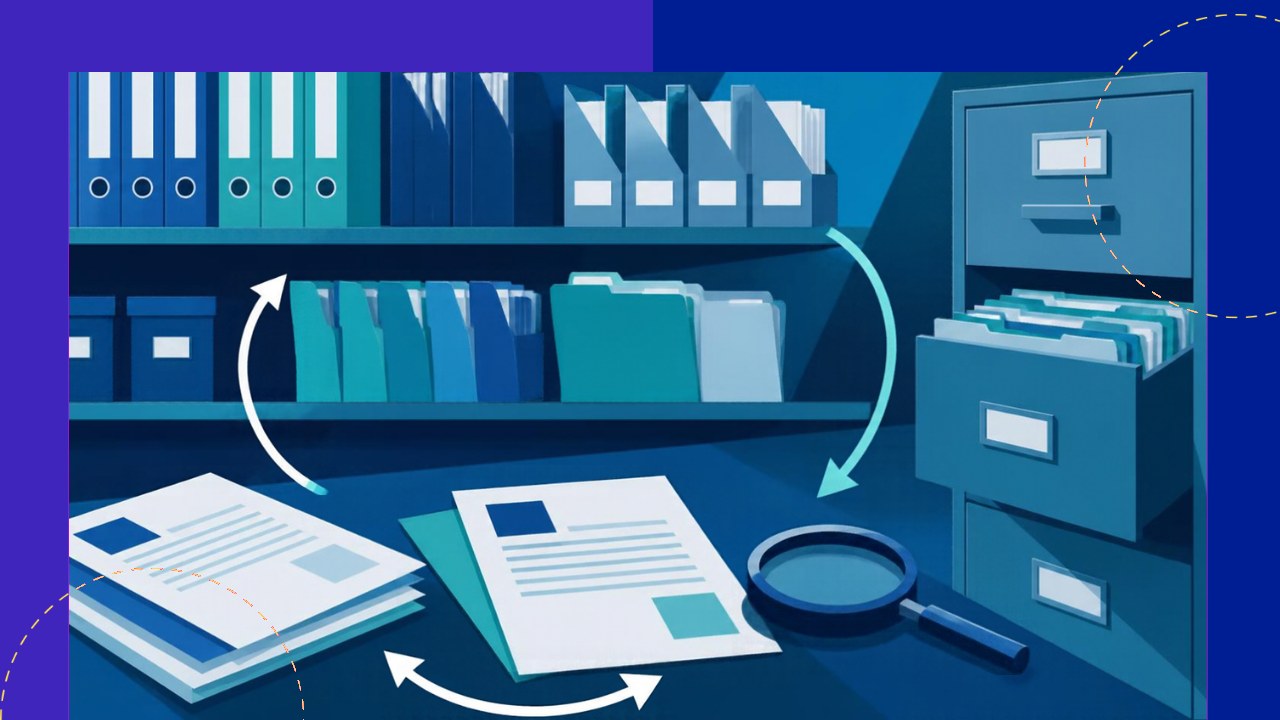
- HR documentation management keeps policies, contracts, and employee files organized, current, and ready for audits.
- Digital systems add version control, retention rules, and access logs that paper folders simply cannot match.
- In-house control offers privacy and context, while outsourcing offers scale and compliance support, so the right fit depends on your team.
HR documentation management is the practice of creating, storing, updating, and retiring the records that run your workforce. That includes offer letters, contracts, handbooks, policy sign-offs, and personnel files. Done well, it protects the business during disputes and audits. Done poorly, it leaves you scrambling when a lawyer or a new manager asks for proof.
Most growing firms start with a shared drive and good intentions. Then the files multiply. Versions drift, permissions blur, and nobody knows which handbook is current. This article breaks down what strong documentation looks like. It also weighs the real pros and cons of running it in-house versus outsourcing the work.
What HR documentation management actually covers
The job is bigger than filing. It spans the full life of each document, from first draft to final deletion. Think of five parts that all need a clear owner.
Policies and handbooks
These set the rules everyone agrees to follow. They change often, so you need one source of truth and a way to prove who read what and when.
Contracts and agreements
Offer letters, NDAs, and amendments carry legal weight. A missing signature or an outdated clause can cost you later, so accuracy matters more than speed here.
Employee files
Each worker generates a running record: reviews, training, leave, and discipline notes. Smart teams keep sensitive items, like medical and I-9 forms, in separate restricted folders.
Version control and retention
Every document needs a version history and a clear expiry date. Federal rules set the floor. The EEOC says employers must keep all personnel or employment records for one year, and longer after a termination or a filed charge.
Access and compliance logs
You also need to know who opened a file and when. Audit trails turn a vague claim into a defensible record, and they deter snooping before it starts.
Why good documentation management pays off
Clean records are not just tidy. They are a quiet form of insurance. When a claim lands, the manager who logged every warning sleeps better than the one who relied on memory.
Retention rules add real stakes. The Department of Labor requires employers to preserve payroll records for at least three years, with wage records kept for two. Miss those windows and you lose both evidence and trust with regulators.
There is a speed benefit too. New hires onboard faster when the right forms sit in one place. Managers answer questions in minutes, not days. And a policy change pushes to everyone at once.
In-house versus outsourced: the pros and cons
Here is the core decision most HR leaders face. You can keep documentation in-house, hand it to an outsourcing provider, or blend the two. Each path trades one set of headaches for another.
| Approach | Pros | Cons |
|---|---|---|
| In-house management | Full control over sensitive data; deep context on your people; faster informal access; no third-party contracts. | Heavy admin load on HR; harder to scale; easy to fall behind on changing laws; version chaos without good tools. |
| Outsourced or automated | Built-in compliance and retention rules; trained staff and proven software; scales with headcount; frees HR for strategic work. | Less direct control; data shared with a partner; setup and onboarding effort; ongoing cost and vendor dependence. |
Notice that neither column is a clean win. In-house keeps data close but drains hours. Outsourcing buys skill and software but adds a partner you must trust and manage. Many mid-sized firms land in the middle. They keep strategy and sensitive files in-house, then hand routine filing to an offshore partner.
How to choose the right setup
Start with honest questions about your own team. The answers usually point to one path.
Weigh your volume and growth
A 40-person company can run clean files on a good HR platform alone. A firm hiring 30 people a month cannot. If headcount is climbing fast, in-house admin will crack first, so plan the handoff early.
Map your risk and rules
Count the places you operate in. More states or countries mean more retention rules and more ways to slip. When the rules get complex, outside experts often earn their fee fast.
Check your tools and time
Be blunt about your current system. If documents still live in email threads and desktop folders, no staffing model will save you. Fix the platform first. For a deeper look at organizing the files themselves, this guide to structuring and securing personnel records is a useful next step.
Protect data either way
Whoever handles the work, lock it down. Use role-based access, encryption, and clear deletion schedules. A provider should strengthen those controls, never weaken them, so write security standards into any contract.
Common pitfalls to avoid
Even solid teams trip on a few common mistakes. Keeping every document forever is one. Hoarding old files adds legal risk, not safety, so follow your retention calendar. Loose permissions are another. When everyone can see everything, privacy dies.
The quietest trap is neglect. A system set up once and then ignored drifts out of date within a year. Review your process on a fixed schedule and give it a clear owner.
Frequently asked questions
How is HR documentation management different from personnel file management?
Personnel file management focuses on the individual records tied to each employee. Documentation management is the wider discipline. It also governs company-level items like handbooks, policy libraries, and contract templates, plus the workflows that create and retire them.
What software features matter most for managing HR documents?
Look for automatic version history, role-based permissions, retention scheduling, and a searchable audit log. E-signature support and a self-service portal help too. Together these features cut manual filing and give you proof of who did what.
Can we outsource documentation without handing over sensitive data?
Yes, to a degree. Many firms keep medical records, investigations, and executive contracts in-house while outsourcing routine filing and data entry. A tiered model like this limits exposure and still lifts the admin load off your core HR team.
How often should we review our documentation process?
Aim for a light check each quarter and a full audit once a year. Also review right after any merger, new-state expansion, or major law change. These moments reshape your retention duties, and a quick review stops small gaps from becoming expensive ones.






 Independent





