
What are healthcare reporting requirements?

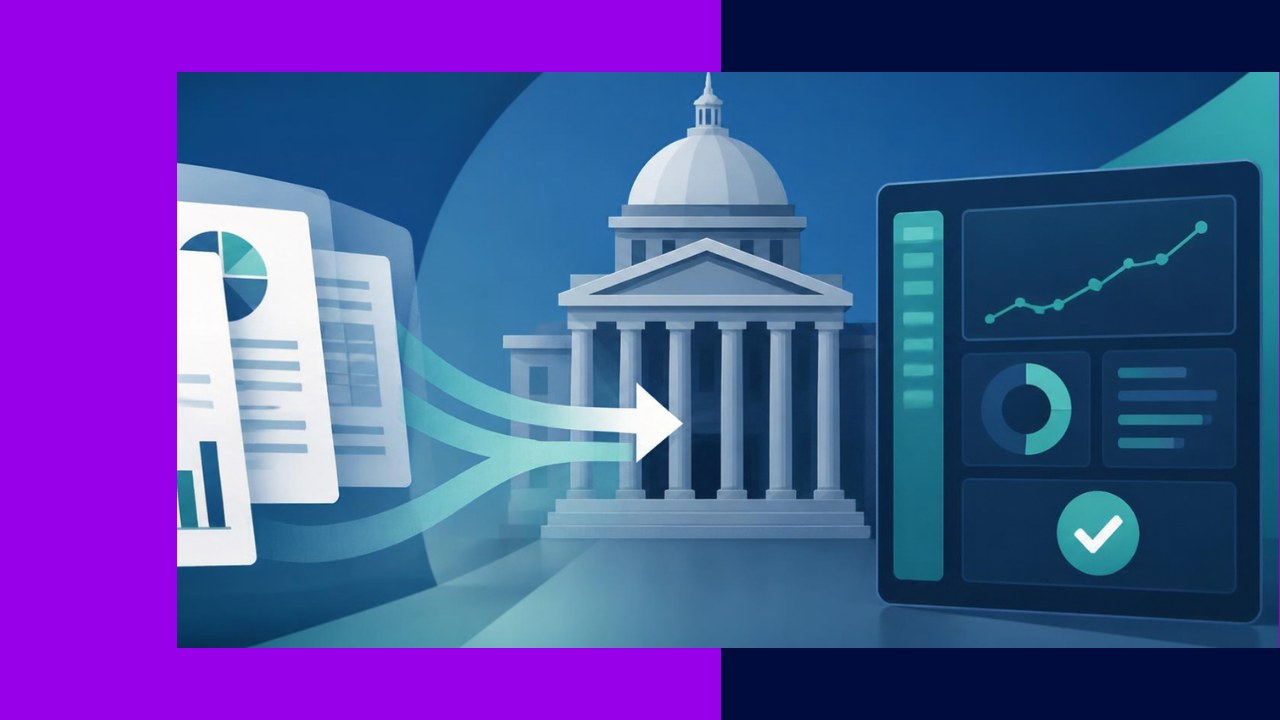
- Healthcare reporting requirements are the quality, safety, and public health reports that providers must file to get paid and stay compliant.
- Programs like CMS quality reporting, MIPS, and Promoting Interoperability tie a provider’s Medicare payment to the data they send.
- Outsourcing the data work helps small practices hit deadlines without pulling clinicians away from patients.
Healthcare reporting requirements are the reports that providers must send to government agencies, payers, and accreditors. These reports show that care was safe. They also show that data was shared the right way, and that certain diseases were flagged to public health teams. Miss them, and a practice can lose money or face penalties.
The rules feel dense because many agencies ask for different things at once. A single clinic may report quality measures to Medicare. It may also report diseases to the state and vaccines to a registry. Below, we break down who asks for what. We also show where an outsourcing partner can take the load off your staff.
Why reporting requirements exist
Reporting moves healthcare away from paying for volume. Instead of rewarding the number of visits, payers now want proof of good results. That proof comes from clean data your team sends each year.
The Centers for Medicare and Medicaid Services (CMS) runs most of this. It uses value-based programs to do so. As CMS puts it, “Value-based programs reward health care providers with incentive payments for the quality of care they give to people with Medicare.” In short, your data can raise or lower your pay.
The main types of healthcare reporting
Requirements fall into a few groups. Most providers touch several of them. Each one has its own forms, deadlines, and owners.
CMS quality reporting and MIPS
MIPS is the biggest one for doctors who bill Medicare. The name stands for the Merit-based Incentive Payment System. It scores providers in four areas: quality, cost, improvement activities, and data sharing. Your score then raises or lowers your Medicare payments two years later.
Hospitals face their own version, such as the Hospital Inpatient Quality Reporting program. Both need data that you capture during care. You cannot rebuild it later. That is why clean, real-time notes matter so much.
Promoting Interoperability
This program was once called “meaningful use.” It pushes providers to use certified health record systems and share data safely. As HealthIT.gov states, “The Centers for Medicare & Medicaid Services (CMS) encourage eligible clinicians, eligible hospitals, and CAHs to adopt and meaningfully use certified electronic health record (EHR) technology through the Promoting Interoperability Programs.” You attest to measures like e-prescribing and data exchange.
Public health and disease reporting
States require providers to report certain diseases to public health teams. The CDC gathers this data. It uses the National Notifiable Diseases Surveillance System, which “collects case surveillance data from across the U.S. to keep people healthy.” Labs, clinics, and hospitals all take part. Many also report vaccines and cancer cases.
Incident and safety reporting
Providers must log adverse events, drug errors, and certain injuries. Accreditors like the Joint Commission review these records. So do state agencies. Good incident reporting protects patients. It also shields the practice during audits.
Who requires what
It helps to map each report to the body that asks for it. The table below shows common examples. Your exact list depends on your state, specialty, and payer mix.
| Requiring body | Typical report | Who files |
|---|---|---|
| CMS (federal) | MIPS quality data, Promoting Interoperability attestation | Clinicians and groups billing Medicare |
| State health department | Disease and vaccine reports | Clinics, labs, hospitals |
| Accreditors | Adverse event and safety data | Hospitals and accredited sites |
| Private payers | Contract-specific quality measures | In-network providers |
The requirements often overlap. So one missed data field can affect several reports. That is a real risk for small practices with thin office teams.
Why reporting is so hard for providers
The work is not glamorous, but it is exact. Measures change each year. So last year’s process may no longer pass. Deadlines also cluster at year end, when staff are already stretched.
Data lives in many places, too. One quality measure might pull from the health record, the billing system, and a separate registry. Doing this by hand invites errors. And errors cost money. For a wider view of how practices handle this alongside billing and admin duties, see how firms scope outsourced healthcare support functions.
How outsourcing helps
Many practices hand the reporting work to an offshore partner. The partner does not replace your clinicians. Instead, it handles the collection, coding, checks, and filing behind the scenes.
A good partner tracks measure changes. It flags gaps before deadlines. It also lines up data across systems. That means fewer late nights for your staff and fewer scoring surprises. Teams that already run offshore support often fold reporting into the same setup. You can see this pattern in current shifts in how clinics buy support services.
The key is oversight. You still own the accuracy of every report. So pick a partner with healthcare experience, strong security, and clear audit trails. Reporting done well protects both your revenue and your patients.
Frequently asked questions
What happens if a provider misses a reporting deadline?
Penalties vary by program. Under MIPS, a low or missing score can cut your Medicare pay. For diseases, states can issue fines or corrective orders. The safest move is simple. Calendar every deadline and name an owner months ahead.
Are reporting requirements the same in every state?
No. Federal programs like MIPS apply nationwide. But public health and licensing rules differ by state. A disease that is reportable within 24 hours in one state may have a longer window in another. Always check your own state health department list.
Can a small private practice be exempt from MIPS?
Sometimes. CMS sets a low-volume threshold. It is based on Medicare charges, patient counts, and covered services. Doctors below it may be excluded, or they may opt in. Your billing team or partner can confirm your status each year.
Does outsourcing reporting create HIPAA risk?
It can if handled carelessly. So a signed business associate agreement is a must. A compliant partner limits data access, encrypts transfers, and logs every action. Vet these controls before you share any patient data.






 Independent





