
How to resolve employee classification issues

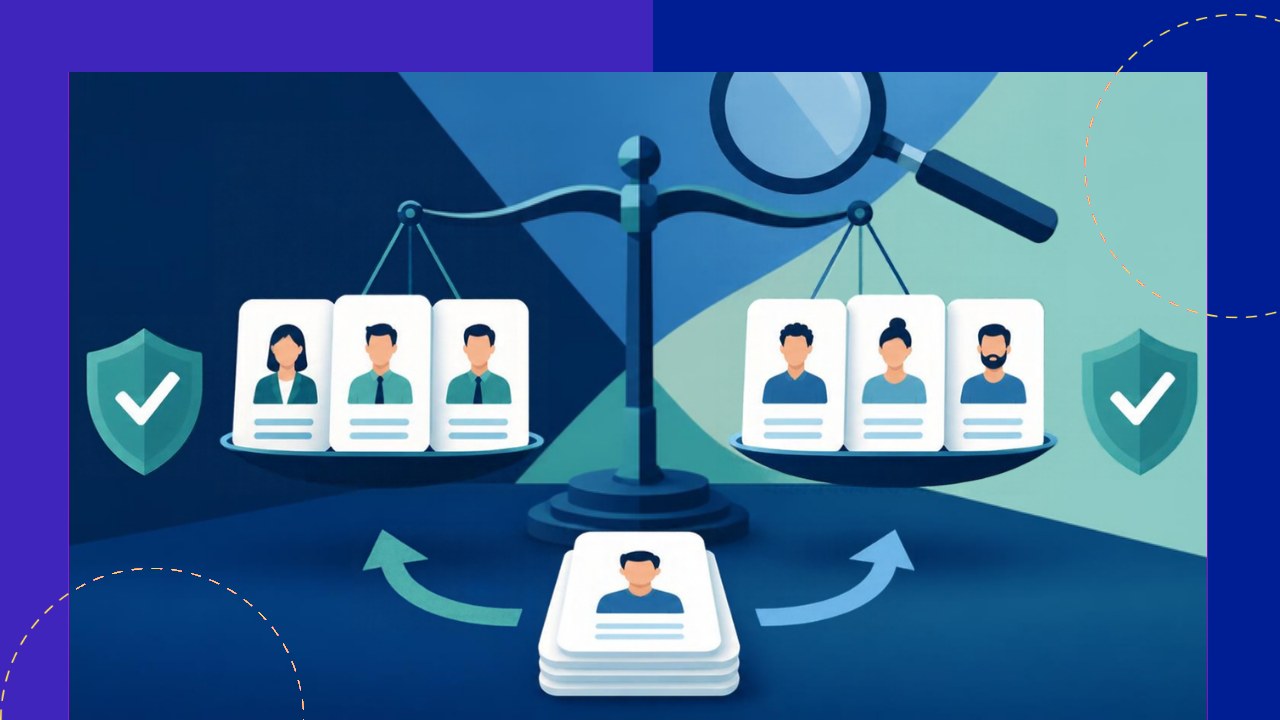
- Most employee classification issues start with one question: does the company control how the work gets done?
- Getting it wrong is costly, because misclassified staff can claim back pay, overtime, taxes, and penalties.
- A clear test, good records, and a quick audit will resolve most problems before they reach a regulator.
Employee classification issues happen when a worker is labeled the wrong way, usually as an independent contractor when the law sees an employee. The mistake looks small on paper. The cost is not. Misclassification can trigger back wages, unpaid payroll taxes, benefits claims, and fines from more than one agency.
The good news is that this is a solvable problem. You do not need a law degree to spot the warning signs. You need a reliable test, honest answers, and a plan to fix the gaps. This guide walks through that process step by step.
Why worker classification goes wrong
Classification is really about control and independence, not job titles. A true contractor runs their own business. They set their own hours, use their own tools, and work for other clients. An employee works under your direction and depends on your company for income.
Problems creep in when that line blurs. Maybe a “contractor” has worked full time for you for two years. Maybe you set their schedule and give them a company laptop. On paper they are independent. In practice they look like staff. Regulators care about what actually happens, not what the contract says.
How to resolve employee classification issues
1. Map every worker and how you actually engage them
Start with a simple list. Write down each person who does work for you, whether they are on payroll or not. Next to each name, note how you pay them, who controls their schedule, and who supplies their equipment. This snapshot shows you where the risk sits before you apply any formal test.
2. Apply the IRS common law test
The IRS looks at the full relationship across three areas: behavioral control, financial control, and the type of relationship. According to the IRS guidance on worker status, there is “no ‘magic’ or set number of factors” that decides the case. Instead you weigh the whole picture. If you direct how, when, and where the work happens, the worker is probably an employee.
3. Run the economic reality and ABC tests too
Federal wage law uses a different lens. The Department of Labor explains that misclassification “occurs when an employer treats a worker who is an employee under the FLSA as an independent contractor.” Its economic reality test asks whether the worker truly depends on your business for income. Many states go further with the ABC test, which treats a worker as an employee unless all three conditions are met. Check both, because a worker can pass one test and fail another.
4. Measure the exposure before you act
Once you spot a likely misclassification, size up the risk. Add up the unpaid overtime, the employer share of payroll taxes, and any missed benefits. Misclassified staff often qualify for minimum wage and overtime they never received. Knowing the number helps you decide how fast to move.
5. Reclassify and fix the paperwork
When a worker belongs on payroll, move them there. Update their status, start withholding taxes, and enroll them in the benefits employees get. Keep a dated record of why you made the change. The IRS also runs a Voluntary Classification Settlement Program that can reduce back taxes for employers who reclassify in good faith. Clean records protect you if anyone asks questions later.
6. Rewrite contracts and processes to match reality
Fixing one worker is not enough if your systems keep creating the same problem. Review your contractor agreements. Make sure each one reflects genuine independence, not a disguised job. For true contractors, let them control their own methods and skip employee-style perks. Small changes prevent the next dispute.
7. Build an annual classification review
Roles change over time, and so does the right label. A contractor hired for one project can drift into a full time role without anyone noticing. Set a yearly check to re-test every contractor against the same questions. This habit catches problems early, while they are still cheap to fix.
Employee vs contractor at a glance
| Factor | Employee | Independent contractor |
|---|---|---|
| Control of work | Company directs how and when | Worker decides their own methods |
| Tools and equipment | Usually supplied by employer | Supplied by the worker |
| Pay structure | Regular wage or salary | Per project or invoice |
| Other clients | Works mainly for one employer | Free to serve many clients |
Use this table as a quick gut check, not a final verdict. The formal tests above still decide close cases. If you need help weighing the trade-offs for a specific role, our guide on choosing between a remote staff member and a freelance hire breaks down the practical differences. Pay structure matters too, so it helps to understand how pay is set for distributed teams before you reclassify anyone.
When to get outside help
Some cases are too tangled to solve alone. If a worker has already filed a complaint, or if you operate across several states, talk to an employment lawyer early. A specialist can read your contracts and limit the damage. Many growing companies also lean on an outsourcing provider or an employer of record to handle classification, payroll, and compliance. That support removes a lot of day to day risk, especially when you hire across borders.
Frequently asked questions
Can a worker choose to be a contractor to avoid taxes?
No. Classification follows the facts of the relationship, not the worker’s preference or a signed waiver. Even if both sides agree to a contractor arrangement, a regulator can still reclassify the role and demand back taxes. The written agreement is only one factor, and it carries little weight when daily reality points the other way.
What penalties come with misclassification?
Penalties stack across agencies. You may owe unpaid overtime, the employer share of Social Security and Medicare, state unemployment contributions, and interest. Willful violations can add larger fines and, in rare cases, criminal exposure. Because several bodies can act at once, the total bill often dwarfs the tax you saved.
How long do I have to fix a misclassification?
Sooner is always cheaper. Wage claims can reach back two or three years, and that window keeps growing while the misclassification continues. Reclassifying today stops the clock on new liability. It also strengthens your case that the error was honest rather than deliberate, which matters if a dispute reaches a regulator.
Does hiring offshore change my classification duties?
Yes, because each country sets its own rules. A worker who counts as a contractor in one place may be an employee somewhere else. When you hire internationally, check local labor law or use a partner who already knows it. An employer of record can hold the legal employment relationship for you, which keeps you compliant without opening a foreign entity.






 Independent





