
What is capital expenditure (CapEx)?

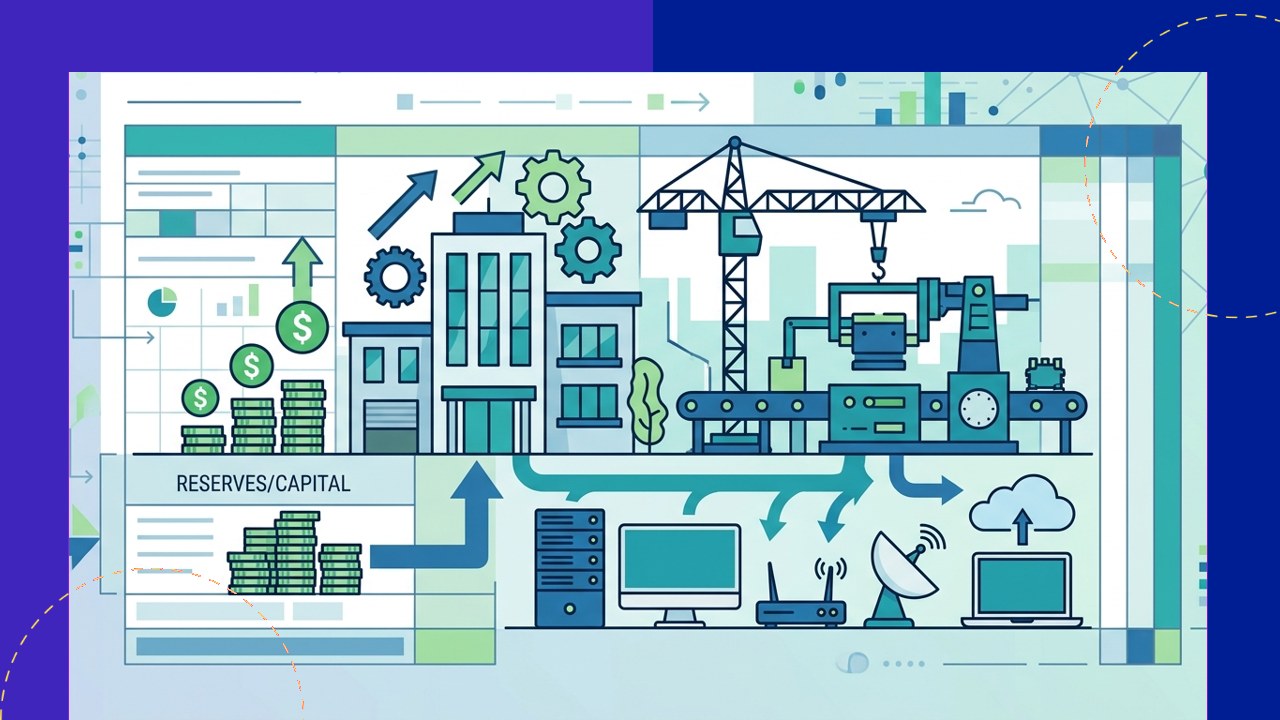
- Capital expenditure (CapEx) is money a business spends to buy, upgrade, or maintain long-term assets like property, equipment, and technology.
- CapEx differs from operating expenditure (OpEx): CapEx buys lasting assets, while OpEx covers day-to-day running costs.
- CapEx sits on the balance sheet and is depreciated over time, so it shapes cash flow, budgets, and long-term planning.
Capital expenditure (CapEx) is the money a business spends to acquire, upgrade, or maintain long-term assets. These assets include property, equipment, vehicles, and technology. In short, CapEx funds the things a company expects to use for years, not just this month.
Every growing company faces CapEx decisions. Should you buy a building or lease it? Do you replace aging machines now or later? These choices affect cash, taxes, and future capacity. So understanding CapEx helps leaders plan with confidence.
This guide explains what CapEx means, how it differs from operating expenses, and where it appears on financial statements. It also shows how outsourced finance teams help track and manage it.
What is capital expenditure (CapEx)?
Capital expenditure covers spending on assets that deliver value over the long term. According to Cornell Law School’s Legal Information Institute, “Capital expenditures (CapEx) are funds used to acquire, upgrade, or maintain capital assets.” These assets stay useful for more than one year.
A capital asset is something a business owns and uses to operate. For example, a delivery van, a warehouse, or a fleet of laptops all qualify. Because these purchases are large, they usually need careful approval and planning.
CapEx often falls into two groups. Growth CapEx buys new capacity, such as a second factory. Maintenance CapEx keeps existing assets running, such as replacing a roof. Both matter, but they serve different goals.
CapEx examples
CapEx shows up across many industries. Here are common examples that most business leaders will recognize.
Property and buildings
Buying an office, a warehouse, or land counts as CapEx. So does a major renovation that extends a building’s useful life.
Equipment and machinery
Factory machines, medical devices, and kitchen equipment are classic CapEx. These tools support production for many years.
Technology and software
Servers, computers, and large software systems often qualify as CapEx. For example, a company might capitalize the cost of building a custom platform.
Vehicles
Trucks, vans, and company cars are CapEx. They serve the business well beyond a single year, so they count as long-term assets.
CapEx vs OpEx: what is the difference?
CapEx and operating expenditure (OpEx) both involve spending, but they work differently. CapEx buys lasting assets. OpEx covers the recurring costs of running a business, such as rent, wages, and utilities.
The accounting treatment differs too. A company records CapEx on the balance sheet as an asset. It then spreads the cost over several years through depreciation. In contrast, OpEx hits the income statement right away as a full expense.
This distinction affects taxes and profit. To learn more about the day-to-day side, see this related guide on what counts as operating expenses. The table below sums up the main differences.
| Factor | Capital expenditure (CapEx) | Operating expenditure (OpEx) |
|---|---|---|
| Purpose | Buy or upgrade long-term assets | Fund day-to-day operations |
| Time horizon | More than one year | Within the current year |
| Financial statement | Balance sheet, then depreciated | Income statement, expensed now |
| Examples | Buildings, machines, vehicles, servers | Rent, salaries, utilities, supplies |
| Cash impact | Large, upfront outflow | Steady, recurring outflow |
How CapEx appears on financial statements
CapEx touches all three main financial statements. First, the asset lands on the balance sheet under property, plant, and equipment. Then its value drops over time through depreciation.
Second, the cash outflow appears in the investing section of the cash flow statement. This shows how much a company invested in assets during the period. As a result, investors can gauge future growth plans.
Third, depreciation reaches the income statement as a yearly expense. The IRS explains that “depreciation is an annual income tax deduction that allows you to recover the cost or other basis of certain property over the time you use the property.” You can read the full rules in IRS Publication 946.
How depreciation works
Depreciation spreads an asset’s cost across its useful life. For example, most machinery uses a 5 or 7 year recovery period. Buildings often stretch to 27.5 or 39 years. Because land does not wear out, it cannot be depreciated.
Why CapEx matters for planning and cash flow
CapEx decisions shape a company’s future. A big purchase can boost capacity, but it also drains cash fast. So leaders must balance growth against liquidity.
Good CapEx planning starts with a clear budget. Teams forecast which assets they need and when. They also weigh buying against leasing, since leasing shifts costs from CapEx to OpEx. This choice affects cash flow and tax treatment.
Poor planning creates real risks. Overspending can starve the business of working capital. Underspending can leave it with old, failing equipment. Because of this, many firms review CapEx on a strict approval schedule.
How outsourced finance teams help manage CapEx
Tracking CapEx takes time and discipline. Many companies now hand this work to an outsourcing provider. An offshore finance team can log assets, run depreciation schedules, and flag renewals.
These teams also support budgeting. For example, they build CapEx forecasts and compare actual spend against plan. As a result, leaders get cleaner data for approval decisions.
Outsourced accountants can also keep fixed-asset registers current. They reconcile purchases, track disposals, and prepare reports for audits. In short, a skilled partner turns messy CapEx records into a clear, reliable system.
Frequently asked questions
Is CapEx an asset or an expense?
CapEx becomes an asset first. A company records it on the balance sheet, then expenses it slowly through depreciation over the asset’s useful life.
What is the difference between CapEx and OpEx?
CapEx buys long-term assets like buildings and machines. OpEx covers short-term running costs like rent and wages. CapEx is depreciated, while OpEx is expensed right away.
Can software be capital expenditure?
Yes, in many cases. Large software systems and custom platforms often qualify as CapEx. Small subscription tools usually count as OpEx instead.
Why do businesses depreciate CapEx?
Depreciation matches an asset’s cost to the years it delivers value. It also gives a yearly tax deduction and shows a truer picture of profit.
Key takeaways
- Capital expenditure (CapEx) funds long-term assets such as property, equipment, technology, and vehicles.
- CapEx sits on the balance sheet and is depreciated, while OpEx hits the income statement at once.
- CapEx appears across the balance sheet, cash flow statement, and income statement.
- Strong CapEx planning protects cash flow, and an outsourced finance team can track and manage it well.






 Independent





