
Compliance considerations for remote employees

What are the key compliance considerations for remote employees?
The key compliance considerations for remote employees are payroll and benefits, taxes, labor laws, equipment, work permits, and information security, all of which can vary by location.
- Remote employees are often subject to the laws of the place where they live and work.
- So payroll, taxes, and benefits can differ for each worker, even in one team.
- Outsourcing helps firms stay compliant while hiring remote staff across regions.
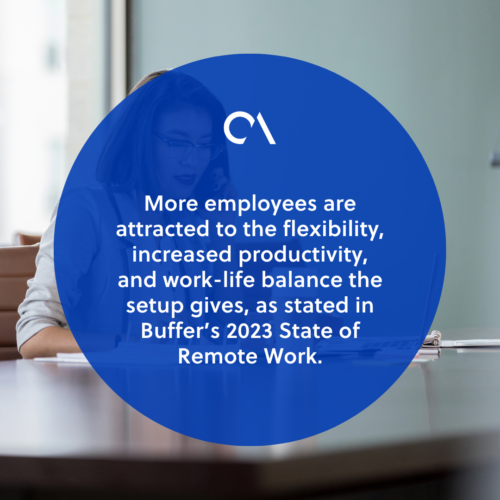
It is official: remote work is here to stay. Remote working in the US alone has become a strong trend. More employees want the flexibility, higher productivity, and work-life balance it offers, as stated in Buffer’s 2023 State of Remote Work.
Different studies and news reports show mixed results. Still, more companies now see the benefits of this setup. On the other hand, hiring remote staff brings its own hurdles, just like in-house hiring. So it adds a new layer of compliance you need to plan for.
Remote Employee walks you through the main compliance considerations for remote employees when building a remote team.
Remote employees and compliances: What you should know
Location is only one way that remote hiring differs from in-house hiring. For one, firms hire remote employees for many reasons beyond team growth. For example, they may do it for savings, flexibility, or convenience. Some run fully remote teams because the business is remote by nature. Many also use it to tap the benefits of remote work, such as a wider talent pool.
Here are other things you should know about hiring remote employees:
- Not all roles can be done remotely. Some jobs need staff on-site, such as building administration. So decide which roles can go remote and which should stay in-house.
- Remote work needs constant communication. It is easy to overlook remote workers and make them feel left out. So regular contact is key for the setup to work.
- Remote employees thrive on recognition. One way to satisfy remote employees is to praise their effort. For example, send cash bonuses or gift certificates to show thanks.
- Remote hiring opens you to diversity. Remote teams bring in new cultures and work styles. This is even truer when you hire offshore. Clear remote employee onboarding helps these new hires settle in fast.
6 compliance considerations for remote employees
Having remote employees does not free you from compliance. Even without a physical office, hiring staff in other places can subject you to the laws where they live. Below are the main compliance considerations for remote employees.
1. Payroll and benefits
Your team’s payroll and benefits vary by location, jurisdiction, and local practice. So you may send different pay amounts, track different benefits, and consolidate your books with care.
The minimum wage varies by state and can rise each year. Meanwhile, you must pay benefits such as 401k and unemployment insurance based on your employee’s state. Noncompliance with minimum wage rules can bring penalties. In addition, it can harm your standing with staff.

2. Taxes for remote employees
Beyond benefits, state and local taxes belong on your compliance checklist. The general rule is simple. Employees pay taxes where the work is done, even without a company office there. This is called “physical presence.”
In the US alone, income tax can vary by state. Some states even require withholding for local taxes if employees live there, including:
- Alabama
- Delaware
- Michigan
- New York
- Pennsylvania
- West Virginia
Taxes get trickier with a hybrid setup, depending on state agreements. For example, your employees could face “double taxation” where they live and where you are based. So it is best to consult an accountant on this matter.
3. Labor laws and regulations
Labor laws can get complex across different states. So you must learn the remote work laws where your employees live. In some cases, labor laws favor the employer’s location. For example, Washington State offers out-of-state guidelines for telework within and outside the state.
Outside the US, other countries apply their own teleworking laws, such as Argentina, Mexico, and Peru. These rules set out what employers need to hire workers there. Strong legal compliance in outsourcing helps you keep up with all of them.
4. Equipment and other expenses
Your team’s equipment and setup also need thought. Understandably, not all employees can supply their own laptops and connections. Or what they own may not meet your needs. So check your company policy on equipment for remote workers. Then plan how to help staff who lack the right tools.
5. Workers’ permits
Even when working from home, you or your employees may need permits. So check each team member’s city or country and the steps to secure one. A good example is Canada, where staff must secure a Canadian work permit before working remotely.
6. Information security
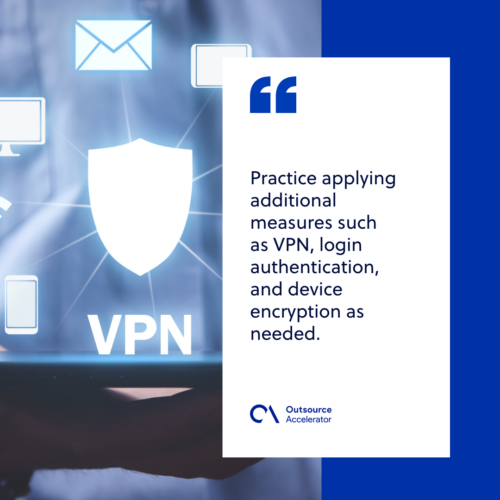
Working with remote staff can expose company data. As a compliance consideration, you must review your policies and add safeguards. For example, apply extra measures such as VPN, login authentication, and device encryption as needed.
Some tools help here. For instance, Microsoft 365 shares the security compliance it offers for remote employees. In addition, a managed global compliance in outsourcing approach keeps standards consistent across borders.
Creating a remote work-compliant environment through outsourcing
Adopting remote work is a smart move for your company. It helps you save and work more efficiently over time. Like other parts of the business, though, remote teams need resources that may stretch your budget. Building a solid remote team takes planning.
It is good to start by hiring remote workers near your location. So you can review nearby employment laws, benefits, and steps as a headstart. Meanwhile, offshore outsourcing is a great way to build a remote workforce and stay compliant.
Let service providers like Remote Employee help you source the best staff and handle compliance for you. With years of experience, Remote Employee knows payroll, benefits, and labor compliance in the Philippines. So they can manage the legal side of hiring remote employees for you. As a result, you share compliance risks while keeping your functions ready for a fully digital setup.
Frequently asked questions about remote employee compliance
Which laws apply to a remote employee, the employer’s or the worker’s?
In most cases, the laws of the place where the employee works apply. For example, state tax and labor rules follow the worker’s location. Still, some rules favor the employer’s base, so it is wise to check both.
Do I have to register in every state where I have remote workers?
Often, yes. Many states require you to register and withhold taxes once you employ someone there. As a result, each new state can add filing duties. So track your team’s locations closely.
Who pays for a remote employee’s equipment?
It depends on your policy and local law. Some states require employers to cover work costs. So set a clear equipment policy upfront. This keeps you compliant and avoids disputes later.
How does outsourcing help with remote work compliance?
A provider handles payroll, benefits, and local rules on your behalf. So you share the compliance burden. As a result, you can hire across regions without building deep legal expertise in-house.
What is the biggest compliance risk with remote teams?
Payroll and tax errors top the list. For example, missing a state withholding rule can bring penalties fast. So many firms lean on experts to keep these details right across every location.






 Independent






