
7 Types of scam calls and how to avoid them this 2026

How do you avoid scam calls?
To avoid scam calls, learn to spot each type, never share personal or bank details by phone, block unknown numbers, and report the call to a fraud agency.
- Know the common types, from imposter scams to fake lottery wins.
- Hang up and never give out money or sensitive data.
- Block spam numbers and report them to the right agency.
We all want to believe there is good in people. Still, some scammers choose the opposite path. From identity theft to plain fraud, they target people from all walks of life.
Scam calls have been an issue since telemarketing grew popular. The first fraud call is hard to trace, yet the problem is still common today.
In 2019, the Federal Trade Commission received 5.4 million consumer complaints about unwanted calls. More recently, the FTC logged over 2.6 million Do Not Call complaints in fiscal year 2025. On top of that, Americans reported a record 15.9 billion dollars lost to scams in 2025, with 3.5 billion dollars tied to imposter scams.
Call blockers have improved, so you might think we are safe. However, scammers have advanced too.
One sure way to stay safe is to know the nature of the call. As a result, you can stop scammers before they act.
What are scam calls?
Scam calls are unwanted calls from an unknown or shady contact. In short, someone poses as a “company rep” to trick you out of money or private data.
Scammers often downplay the call as routine. In addition, they lie to the person they want to fool.
Where did scam calls originate?
Even with modern tech, it is still hard to pinpoint where fake calls originate. As far as experts know, scam calls often come from a different country than the victim.
This helps scammers dodge local police. However, scam call centers remain common in some regions.
Are telemarketing calls scams?
Most telemarketing calls are not fraud. A real telemarketer states the purpose of the call. In addition, they name themselves and their company.
Still, be wary of spam calls dressed up as telemarketing. Even so, telemarketing fraud can still exist, as shown below.
When you get one, remember a simple rule. Legit firms will not ask for personal details by phone.
Telemarketing agents never ask for money or sensitive data beyond a name and basic details. If they miss you, they leave a voicemail instead.
The first step to avoid spam calls is to know their types. So here are the common ones.
1. Imposter scams
This call uses emotion and family ties to trick you. As a result, the victim sends money to the caller.
How they do it:
These scams often start with a relative in trouble, usually with the police. The caller says the person is held and needs bail.
At this point, the scammer pushes for bank details to post the bail.
2. Ransomware attacks
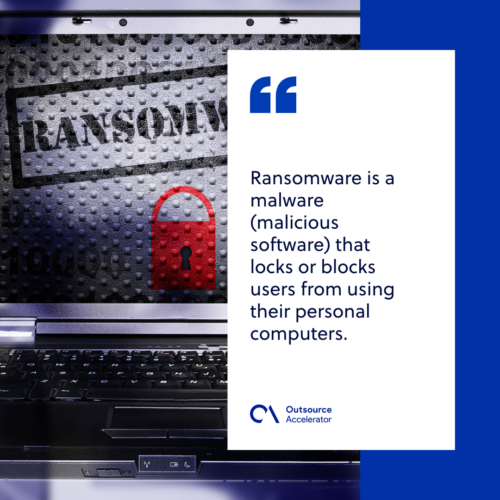
Ransomware is malware that locks people out of their computers. Users often get it from an infected app or website.
How they do it:
Attackers make the computer useless. Then they show a phone number and tell you to call fast.
Victims call in hope of a fix. During the call, scammers ask them to buy gift cards and read out the codes.
Gift cards are much harder to trace once used.
3. Phishing schemes
Phishing means posing as a real business to grab your data, such as bank details. So scammers use fake sites, emails, and calls to get it with ease.
How they do it:
These often start with an “agent” who calls about an account issue. The problem sounds urgent and money-related, so the victim panics.
Then the scammer asks for card details, bank data, full names, and more. In turn, they use it to build a fake identity.
4. Telemarketing scams
These calls stain the name of real telemarketing. In short, fraud hides behind the sale of a product or service by phone.
How they do it:
Fake telemarketers push a product hard. As a result, the pressured victim gives in and shares their details.
5. Lottery schemes
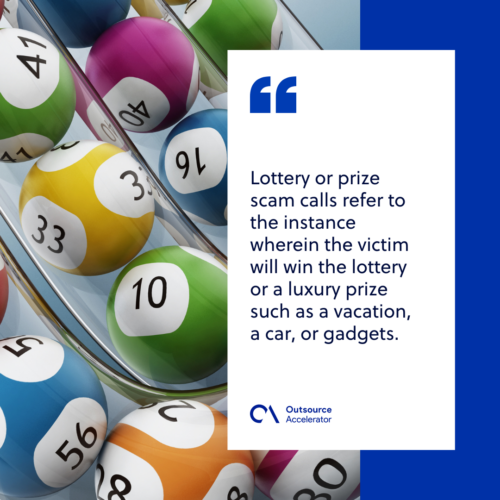
Lottery or prize scams claim you won money or a luxury prize. For example, they promise a car, a trip, or gadgets.
How they do it:
Scammers say you won a big sum in a raffle that never existed. They hype you up to cloud your judgment.
Then they ask for a “security fee” before they release the prize.
6. Tax scams
Tax scams spike during tax season.
How they do it:
Callers pose as tax officers. Then they claim there is a problem with your documents.
The call sounds harsh and pushy, so it stresses the victim. Some even claim you owe back taxes and must pay or face police.
7. Security fee
This scam works like the lottery one. Here, a caller says they need help to move money from abroad.
How they do it:
Also known as the “Nigerian Prince” scam, the caller poses as royalty. He looks for someone to move his so-called riches through a local bank account.
In return, the “prince” promises a big reward once the transfer is done. In reality, the victim hands over bank details and sees nothing.
How to avoid scam calls
You can still stop spam calls and stay safe. So here are simple steps to take.
Verify legitimacy
First, check that the call is real. Ask for details only the true person would know.
If they cannot answer, the call is likely fake. Also, real raffle reps never charge a fee to release winnings. If you never joined a draw, treat any such call as suspect.
Avoid suspicious third-party apps
Next, do not open shady links or download apps from unsafe sites.
If ransomware still hits your computer, do not call the number. Instead, contact a trusted tech support rep for help.
Block spam calls
One basic step is to be wary of unknown callers.
To cut unwanted calls, use call-blocking apps built for this task. In addition, many phones can block unknown numbers on their own. You can also use caller ID to flag and block suspect numbers.
Take note of their details
If you answer a fake call by accident, hang up at once. Never share any information.
Note the caller’s name and number. Then report it to the firm they named. If allowed, you can also run a reverse number lookup online.
Report unwanted calls
Do not just block the call. You can also report the details to the right agency. In the US, the Federal Trade Commission’s Report Fraud site is a good guide.
You can also join your National Do Not Call registry to cut sales calls. In addition, ask your phone provider about other call-blocking options.
Why scam calls are still prevalent in the internet age
Fraud calls have become a business for some people. For example, a New York Times piece covered the call centers behind the dials.
Many people still do not grasp how the digital world works. As a result, they remain easy targets. For more on this, see a BBC article titled “Why so many people fall for scams.”
Protect your mobile number and do not post it in public. In this way, you cut spam calls and block illegal ones. For now, staying alert to unknown callers is the best defense.
Frequently asked questions
What should I do if I answer a scam call?
Hang up right away and share nothing. Then note the number and report it to a fraud agency.
Can scammers steal money just from a phone call?
Not on their own. However, they can trick you into sharing bank or card details. So never give out that data by phone.
How do I know if a call is really from my bank?
Hang up and call the bank’s official number yourself. Real banks never ask for full passwords or PINs by phone.
Are call-blocking apps worth it?
Yes. They filter many known spam numbers. In addition, most phones now block unknown callers for free.
Where do I report scam calls in the US?
Report them to the FTC through its Report Fraud site. You can also join the National Do Not Call registry.
Key takeaways
- Scam calls trick people into sharing money or private data.
- Common types include imposter, ransomware, phishing, and lottery scams.
- Never share bank or card details with an unknown caller.
- Block spam numbers and verify any urgent claim yourself.
- Report scam calls to the FTC to help stop them.






 Independent





