
7 risks of IT outsourcing (and how to manage them)

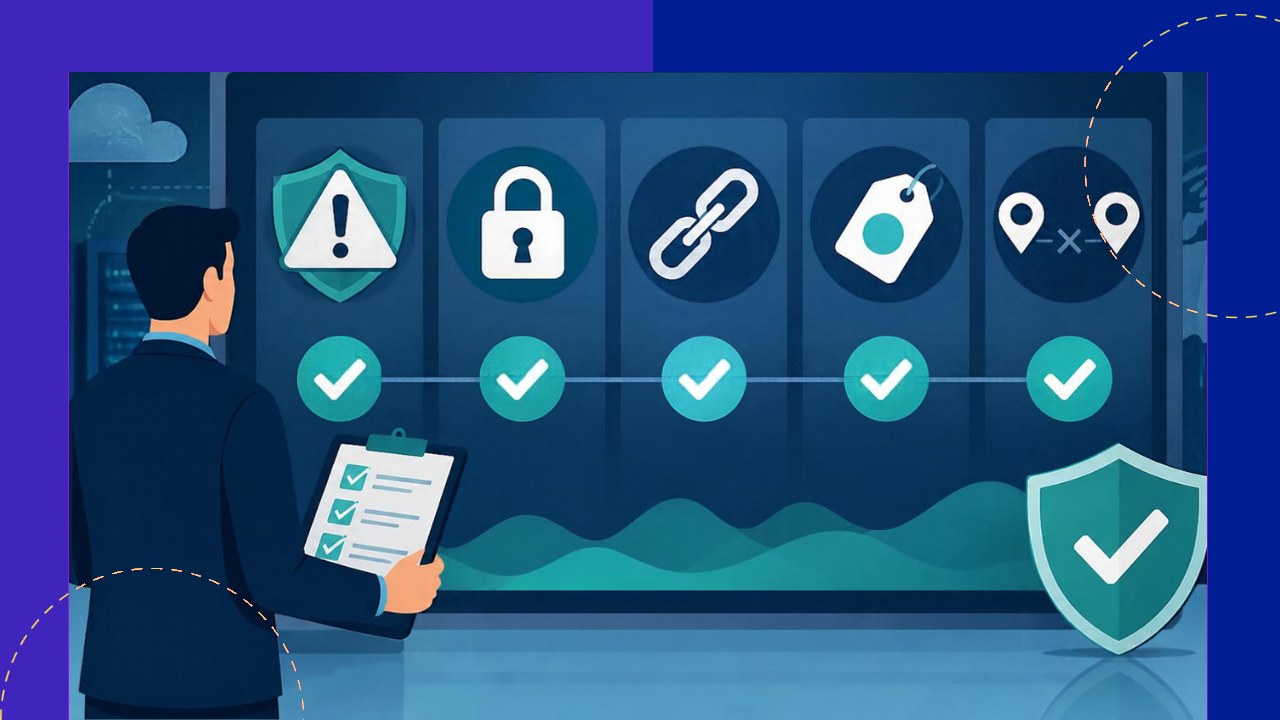
- The biggest risks of IT outsourcing are predictable, so you can plan for each one before signing a contract.
- Clear service levels, tight security terms, and an exit plan prevent most problems from ever starting.
- Good vendor management, not luck, decides whether outsourcing saves money or quietly costs more.
The risks of IT outsourcing are real, yet they are also manageable. When a provider handles your systems, support, or software, you hand over control of work that keeps the business running. If that work slips, your users feel it fast. The good news is that these problems rarely come out of nowhere. Most follow familiar patterns, and each has a practical fix.
This article walks through seven common risks and how to manage each. The goal is a simple checklist, so you can take a disciplined approach to vendor risk from day one.
1. Quality and performance problems
The first risk is simple. The service you receive may not match what you expected. Tickets pile up, response times drift, and small outages become routine. Often this happens because nobody defined “good” in writing first.
To manage it, set clear service-level agreements before work begins. Spell out response times, resolution targets, and uptime in plain numbers. Then review them every month, using the same reports so trends are easy to spot. If performance drops, your contract should let you flag it early and trigger a fix.
2. Data security and compliance gaps
When you outsource IT, your provider often touches sensitive data. That widens your exposure, since a weak password policy on their side can become your breach. Rules like GDPR still hold you responsible, even when a partner does the work.
Start by writing security into the contract, not the kickoff call. Require encryption, access limits, and regular audits. Map where your data lives and who can see it. The UK National Cyber Security Centre notes that “most organisations rely upon suppliers to deliver products, systems, and services,” and its supply chain security guidance offers twelve principles for controlling that dependence. For offshore work, study the added layers around protecting data across borders before you choose a location.
3. Vendor lock-in
Over time, one provider can become hard to leave. They learn your systems, hold your documentation, and own the tools. Switching then feels risky and expensive. As a result, you may stay with a weak partner because leaving looks worse.
You can avoid this trap. Insist that all documentation, code, and configurations belong to you and stay current. Favor standard tools over proprietary ones where you can. Most importantly, write an exit clause into the first contract, covering notice periods, data return, and knowledge transfer.
4. Hidden or escalating costs
Outsourcing often promises savings, but the final bill can surprise you. Change requests, extra tickets, and “out of scope” tasks add up quietly. A deal that looked cheap can cost more than your in-house option within a year.
To keep control, ask for a pricing model you can actually read. Know what the base fee covers and what counts as extra. Build a simple forecast for the first year, then track real spend against it each quarter. Watch for scope creep, since it is the most common cause of budget drift.
5. Communication and time-zone gaps
Distance creates friction. Your provider may sit many hours ahead, so a quick question can wait a full day for an answer. Language and cultural differences add more room for confusion. Over time, these small gaps slow projects.
Fortunately, structure helps a lot. Agree on core overlap hours when both sides are online. Name one main contact on each side to avoid mixed messages. Write things down, because async notes beat memory. Short daily updates and a shared ticket queue keep everyone aligned.
6. Loss of control and IP exposure
Handing over work can feel like handing over the keys. You lose some visibility into how things get done. Worse, your intellectual property, from source code to internal processes, now sits with an outside party. That raises real questions about ownership and protection.
Address it in the contract first. State plainly that you own all work product and IP. Add confidentiality terms and limit who can access your most sensitive assets. Treat your provider as part of your wider risk picture, much as NIST does in its cyber supply chain risk management guidance, which focuses on “the distributed and interconnected nature of” technology supply chains.
7. Business continuity disruption
Finally, your provider can fail. They might suffer an outage, lose key staff, or even go out of business. If your operations depend on them, their bad day becomes yours. A single point of failure is serious when it sits outside your walls.
Plan for the worst case early. Ask to see the provider’s continuity and disaster recovery plans, and test them. Keep your own backups and know how to switch providers if needed. NIST’s contingency planning guide is a useful model for building resilience into critical systems. Resilience is cheaper than a crisis, so invest in it before you need it.
Frequently asked questions
Is it riskier to outsource IT to an offshore provider?
Offshore work adds a few layers, mainly around time zones, local data laws, and travel for reviews. Yet many offshore providers hold strong security certifications and run mature processes. The location matters less than the due diligence. A well-vetted offshore partner can be safer than a loosely managed local one.
How much should I spend on managing these risks?
There is no fixed figure, but treat oversight as part of the deal, not an afterthought. A rough guide is to budget time for monthly reviews, quarterly audits, and an annual contract check. The cost is small next to a breach or a failed handover.
When should I bring IT work back in-house?
Consider it when a function becomes core to your strategy or your competitive edge. Rising costs, repeated quality misses, or heavy security concerns can also tip the balance. Run a plain comparison of total cost and control for both options. Sometimes a hybrid model, keeping sensitive work inside, is the smartest path.
What is the single most important clause in an IT outsourcing contract?
The exit clause often matters most, because it shapes every other decision. When leaving is clean and cheap, your provider has a reason to perform well. It also protects your data and knowledge if the relationship ends. Negotiate it hard at the start, while you still hold leverage.






 Independent





