
Choosing an IT outsourcing partner: the complete guide

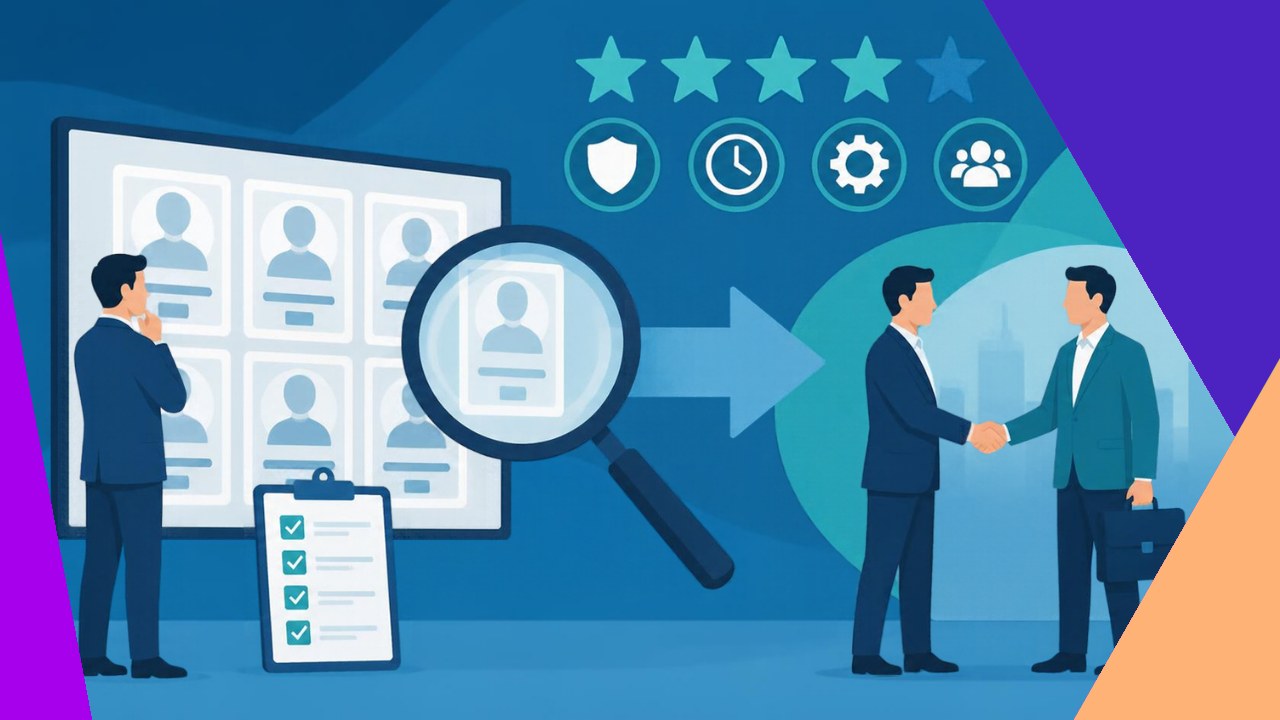
- Pick an IT outsourcing partner on evidence: technical depth, security posture, references, and a pricing model that matches your work.
- Run structured due diligence before you sign, and treat vague answers, no references, and loose security as red flags.
- Follow a clear selection process, from scoping needs to a paid pilot, so the final choice rests on proof rather than a sales pitch.
Choosing an IT outsourcing partner is one of the higher-stakes calls a technology leader makes. The right provider adds skilled hands, ships faster, and protects your data. The wrong one drains budget and creates hidden risk. Demand for talent raises the stakes too. The U.S. Bureau of Labor Statistics projects IT jobs to grow faster than the average occupation through 2035, so good engineers are hard to hire in-house.
That pressure pushes many teams toward outside help. Yet speed should never replace scrutiny. This guide walks through the criteria, the due diligence, the warning signs, and the process that lead to a confident decision.
What to evaluate first
Before you compare vendors, write down what you actually need. Are you filling a skills gap, scaling a product team, or handing off support? Your answer shapes every later judgment. A clear scope also keeps sales teams from steering you toward services you do not need.
From there, weigh each candidate against a short set of criteria. The best partners score well across all of them, not just on price.
Technical depth and relevant experience
Look for proven work in your stack and your industry. Ask for case studies that match your problem, not generic logos. A partner who has shipped similar systems will spot pitfalls early. Request to meet the engineers who would join your team, since their skill matters more than the brand.
Security and compliance posture
Security is where many deals should pause. Your provider will touch code, systems, and often customer data. Verify certifications such as ISO 27001 or SOC 2, and ask how they align with the NIST Cybersecurity Framework, which exists to help organizations “better understand and improve their management of cybersecurity risk.” A serious partner answers these questions with documents, not reassurance.
Communication and cultural fit
Daily work depends on clear, fast communication. Check time zone overlap, English fluency, and how the team runs stand-ups and reporting. Fit also covers working style. A partner who challenges weak requirements will serve you better than one who simply agrees.
How to run due diligence
Criteria tell you what to measure. Due diligence tells you whether the claims hold up. Treat this stage like hiring, because in effect you are.
Start with references. Call two or three current clients and ask direct questions. Did the provider hit deadlines? How did they handle a crisis? Would they sign again? Then check financial stability, staff turnover, and how the firm retains senior engineers.
Vendor risk reaches beyond the contract. CISA warns that attackers can target organizations “via the contractors, sub-contractors, and suppliers at all tiers of the ICT supply chain,” so review your partner’s subcontractors and tools. Where the work sits matters too, and the trade-offs between nearshore and offshore delivery models affect cost and oversight. Lessons from seasoned offshore engagements can sharpen your questions.
Compare pricing models honestly
Price structure shapes behavior, so match the model to the work. Fixed scope rewards predictability. Flexible models reward speed and change. The table below sums up the common options.
| Model | Best for | Main risk |
|---|---|---|
| Fixed price | Well-defined, stable scope | Costly changes once scope shifts |
| Time and materials | Evolving or unclear requirements | Weak cost control without oversight |
| Dedicated team | Long-term product work | You must manage the team actively |
Whatever the model, insist on transparency. Ask how rates are set, what counts as extra, and how the partner handles overruns. A clear answer here predicts a clean relationship later.
Red flags to watch for
Some warning signs appear early if you look. Treat each one as a reason to dig deeper, not to panic.
Be cautious when a provider cannot share references, dodges security questions, or promises everything with no trade-offs. Unusually low bids often hide junior staff or hidden fees. High turnover and vague contracts are further signals. Trust the pattern, not the pitch.
A step-by-step selection process
With criteria and red flags in mind, follow a repeatable process. Structure keeps the decision grounded in evidence.
1. Define scope and must-haves
Document the problem, the skills needed, and your non-negotiables on security and budget. Share this with every candidate so comparisons stay fair.
2. Build a shortlist
Gather three to five providers that fit your scope. Screen out any that miss a must-have before you invest more time.
3. Interview and test
Meet the actual team, review their process, and set a small technical exercise. How they handle it reveals more than any deck.
4. Run a paid pilot
Commission a short, real project. A pilot shows delivery quality, communication, and reliability under genuine conditions.
5. Negotiate and sign
Lock in clear service levels, data protection terms, and an exit clause. A fair contract protects both sides and sets the tone for the work ahead.
Choosing well takes more effort upfront, but it saves far more later. A careful process turns a risky bet into a dependable partnership.
Frequently asked questions
How long should the selection process take?
For a meaningful engagement, plan on four to eight weeks from scoping to signing. Rushing shortens due diligence, which is exactly where costly mistakes hide. Running interviews and the paid pilot in parallel with legal review can keep the timeline tight without skipping steps.
Should I choose one partner or split work across several?
A single partner simplifies accountability and communication, which suits most growing teams. Splitting work across vendors can reduce dependency, but it adds coordination cost and muddies ownership when something fails. Many companies start with one provider and add a second only once internal oversight matures.
What contract terms protect me most?
Prioritize clear service levels, intellectual property ownership, confidentiality, and a defined exit process that returns your code and data cleanly. A right-to-audit clause and named key personnel also help. These terms rarely get used, yet they prevent the worst outcomes when a relationship sours.
How do I keep quality high after signing?
Treat the partner as an extension of your team, not a black box. Set shared metrics, hold regular reviews, and keep one internal owner accountable for the relationship. Consistent feedback early prevents small issues from hardening into chronic ones.






 Independent





