
Upskilling your team with Booth

No one is born an expert. Instead, we all start small, then build skills over time. As a result, developing your team’s skills keeps your business competitive. Booth knows this well. In fact, it helps companies close the gaps that hold teams back.
What is upskilling?
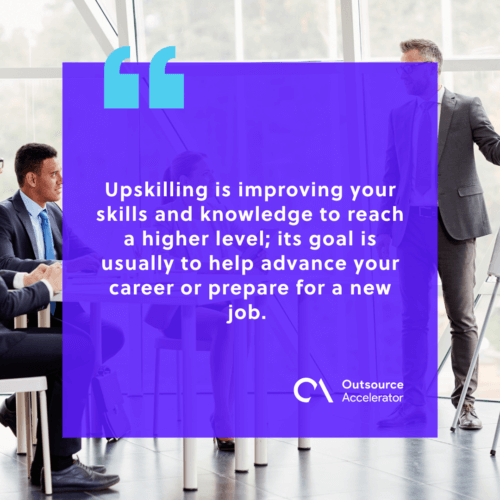
Upskilling means teaching your current staff new skills so they can do more and grow in their roles.
- It closes skill gaps without the cost of constant hiring.
- It lifts productivity, retention, and morale.
- It keeps your team ready for new tools and new rules.
In short, upskilling helps people reach a higher level. As a rule, the goal is to advance a career or prepare for a new role. For example, it may include courses that teach the exact skills employers want.
Learning new skills matters in today’s job market. A long-running BLS survey found that the average worker changes jobs 12 times in their lifetime while looking for better opportunities. As a result, upskilling helps you keep good people and attract fresh talent.
There are more ways upskilling helps employers. For example, a better-trained team means higher output and lower costs, because you hire less often. In addition, higher retention eases common employee retention problems and cuts the cost of replacing staff.
Training gaps that upskilling can solve
Upskilling helps close the training gaps that hold your business back. Here are the main ones to watch for.
Lack of skills
Some staff struggle because they cannot do every part of the job. Upskilling can fix this. For example, it can build technical know-how or basic soft skills, such as communicating effectively with co-workers.
Many companies run internal courses to cover the gap. However, these are not always practical.
Firms that provide upskilling offer better options. For instance, they give staff access to online learning platforms with relevant courses and tests. As a result, a culture of continuous learning makes these gains stick. Still, the best programs also pair online lessons with hands-on practice. In this way, staff learn by doing, not just by watching.
New business systems and equipment
Companies often upgrade systems or buy new tech through software consulting to work faster. Updated tools make tasks simpler, so teams spend more time with clients.
However, staff who cannot keep up risk falling behind. As a result, their careers can stall.
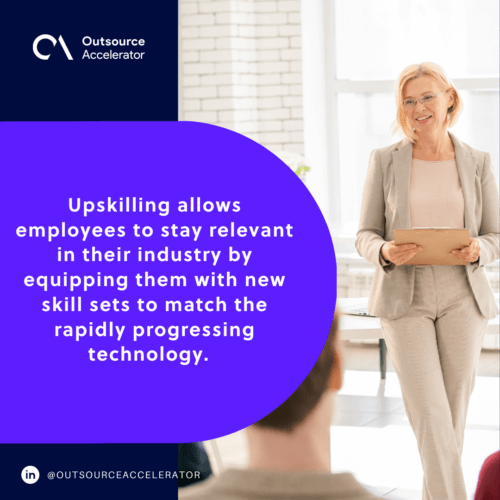
Upskilling keeps people relevant. In short, it gives them new skills to match fast-moving technology.
Poor task performance
Poorly trained staff struggle with tasks. As a result, frequent mistakes cost your company time and money as you fix them.
Upskilling solves this issue. If your team lacks the right skills, training classes help them do the job better. In turn, better performance also lifts retention rates.
Outdated compliance knowledge
Compliance changes fast, so staying current is vital. This is hard when rules shift often and people work full weeks.
The rise of compliance roles has created a need to upskill current staff and attract new talent. As a result, an upskilling program refreshes this knowledge as needed. So your team always works with up-to-date information. In addition, it lowers the risk of costly fines and errors.
Employee onboarding
Good onboarding helps new hires become productive and feel they belong. For example, strong onboarding practices set the tone from day one.
Upskilling programs can sharpen onboarding, which challenges even well-established companies. For startups and small firms, the task is even bigger. Still, upskilling shortens the learning curve, so new hires contribute sooner.
Broad training materials
Many companies use a one-size-fits-all approach to training. HR usually builds it, but there is little room for personal needs.
However, upskilling fills this gap with specific, tailored training. By focusing on the skills a role really needs, you cover what broad corporate training leaves out. In the same way, upskilling and reskilling keep your team ready as roles change. As a result, you get training that fits each person, not a generic course for everyone.
Across all these gaps, one point stands out. For example, employers widely name the skills gap as a top barrier to business change, so a steady upskilling plan is now a must, not a nice-to-have.
Upskill with Booth’s quality solutions
Set up your company for success with Booth’s training and quality solutions for upskilling. Look forward to better productivity, higher retention, and more profit.
Booth knows that skill gaps can hold your business back. Their approach uses tailored training through a learning management system (LMS) to develop your team. So take the first step toward upskilling your workforce with Booth.
Frequently asked questions
What is the difference between upskilling and reskilling?
Upskilling builds on skills your staff already have. Reskilling trains them for a new role. Many teams use both to stay ready for change.
How long does an upskilling program take?
It depends on the skill and the format. Short courses can run a few hours, while deeper programs span weeks. A good provider sets a clear timeline up front.
Does upskilling really improve retention?
Yes. People tend to stay when they can grow. Clear learning paths show staff that you invest in their future.
Can small businesses afford to upskill staff?
They can. Tailored, online training keeps costs low. In many cases, it is cheaper than hiring and onboarding new staff.
How do you measure upskilling results?
Track output, error rates, and retention before and after training. Feedback from managers and staff adds useful context too.






 Independent






