
8 Clear signs your team is ready to hire a remote accountant

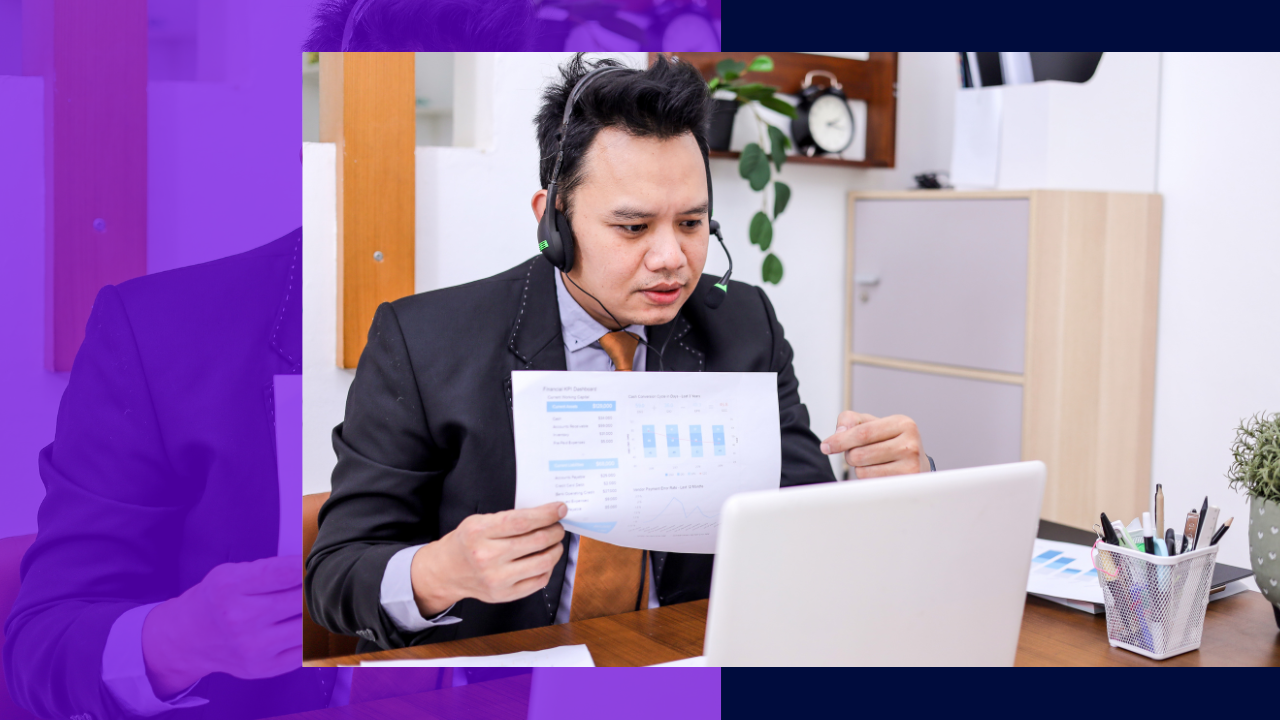
As your business grows, your in-house accounting team may struggle to keep up, especially when finding qualified talent locally becomes difficult.
A skilled remote accountant can step in to handle everything from routine bookkeeping to in-depth financial analysis, giving your team room to focus on strategic priorities.
When talent shortages slow you down, leading third-party solutions providers connect you with experienced remote professionals who integrate seamlessly into your operations. This added support not only improves accuracy and efficiency but also strengthens overall financial performance.
In this article, we will highlight eight clear signs your team is ready to hire a remote accountant and scale strategically.
8 Indicators it’s time to hire a remote accountant
As a business grows, financial management becomes more demanding. When internal teams reach their limit, adding a remote accountant can bring much-needed extra set of hands and expertise.
Here are eight clear indicators it might be the right time to make that move:
1. Your team struggles to meet deadlines
Late reports, delayed reconciliations, and missed tax filings are red flags. When accounting tasks start falling behind, it affects decision-making and compliance.
Bottlenecks like these create stress across departments and can damage relationships with clients, vendors, and regulatory bodies. A remote accountant helps lighten the load and keeps everything on track.
2. Financial errors are increasing
Inaccurate data, missed entries, or misclassified expenses can lead to costly mistakes. If errors are becoming more frequent, it may signal that your team is stretched too thin.
Persistent inaccuracies can trigger audits, erode stakeholder trust, and result in financial penalties that hurt your bottom line.
Offshore accountants add a second layer of review and reduce the risk of slip-ups.
3. Hiring locally is taking too long
Recruiting skilled accountants can take months, especially in tight job markets. During this time, your team may face burnout or declining productivity.
The longer the gap remains unfilled, the higher the risk of missed deadlines, mounting backlogs, and costly financial oversights.
Experienced remote accountants can offer a faster, flexible alternative without sacrificing quality.
4. Strategic planning gets pushed aside
When your team spends all their time on day-to-day tasks, there’s little room left for forecasting, budgeting, or financial strategy. Without forward-looking insights, the business risks making short-term decisions that stall growth and miss long-term opportunities.
A remote accountant can take on routine work, giving your in-house team space to focus on long-term growth.
5. Your business is rapidly scaling
Growth is exciting, but it also brings complexity. New clients, more transactions, and expanding operations demand more financial oversight.
Reliable virtual accountants can help manage the extra workload and support smooth scaling. They provide stability during periods of rapid change, helping leadership stay focused on strategic goals.
6. You need specialized skills
Not every business needs a full-time tax expert or financial analyst, but access to specialized knowledge can be valuable. Lacking this expertise in critical moments, like audits, fundraising, or international expansion, can lead to costly missteps and missed opportunities.
Reputable third-party solutions providers have remote accountants who bring niche expertise, allowing you to tap into exactly what you need, when you need it.
7. Cash flow management is becoming inconsistent
Fluctuating cash reserves or late payments to vendors can strain operations. When internal teams struggle to maintain a clear view of receivables and payables, it affects financial stability.
A remote accountant brings discipline to cash flow monitoring and helps optimize payment cycles.
8. Audit preparation feels overwhelming
Compiling financial records, reconciling discrepancies, and responding to auditor requests can drain time and energy. Remote accountants support audit readiness year-round, keeping records accurate and documentation up to date.
Important considerations before hiring a remote accountant
Hiring a remote accountant can bring significant advantages, but certain factors deserve careful attention to make the partnership successful.
Keep these considerations in mind to find the right professional and achieve smooth collaboration:
- Skills and experience. Look for accountants who have relevant industry knowledge and expertise in the software and tools your business uses. This reduces onboarding time and improves accuracy.
- Communication. Clear and consistent communication is vital. The remote accountant should be responsive and able to provide regular updates to keep everyone aligned.
- Security and confidentiality. Financial data is sensitive. Confirm that the remote accountant follows strict security protocols to protect your information.
- Availability and time zones. Confirm the accountant’s working hours match your business needs. Overlapping schedules help facilitate real-time communication and faster issue resolution.
- Cost and flexibility. Consider the pricing structure and whether it fits your budget. Flexibility in contract terms can accommodate changing business demands.
Careful evaluation of these factors helps businesses build a strong, effective relationship with a remote accountant.

Hiring remote accountants: Important FAQs
Now, let’s answer five of the most common frequently asked questions to help clarify the process:
1. How do remote accountants communicate effectively?
Remote accountants use secure digital tools like email, video calls, and project management platforms to stay connected and aligned with internal teams.
2. Are remote accountants reliable for sensitive tasks?
Trusted providers vet their accountants thoroughly and use encrypted systems to protect financial data and maintain accuracy.
3. Can remote accountants work across different time zones?
Yes. Many remote accountants adjust their hours to align with a client’s schedule or provide overlapping working hours for seamless collaboration.
4. What qualifications should a remote accountant have?
Look for certifications like CPA, ACCA, or CMA, along with experience in your industry or accounting software.
5. How quickly can remote accountants start?
Most remote professionals can onboard within days, reducing downtime and keeping projects on track.
Remote accountants provide fast, skilled support when in-house capacity falls short.






 Independent





