
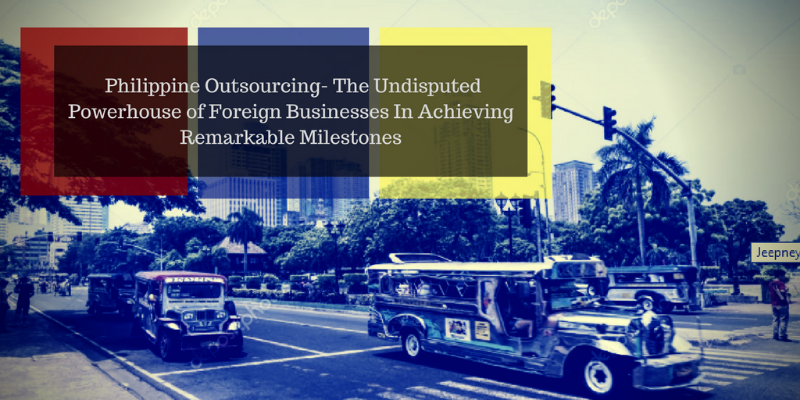
Philippine outsourcing: the undisputed powerhouse of foreign businesses in achieving remarkable milestones


Why is the Philippines a top outsourcing destination?
The Philippines is a top outsourcing destination because it blends skilled, English-speaking talent, low costs, and strong government support.
- The IT and business process management sector reached close to $40 billion in revenue in 2025.
- It now employs about 1.9 million Filipino professionals.
- Western-style education, cultural fit, and 24/7 service make it easy to work with.
Business process outsourcing lets companies run core tasks through a partner while they focus on growth. It is one of the most cost-effective and workforce-efficient strategies around. So firms of every size now use it to cut costs and scale faster.
Outsourcing started small, yet it has grown into a global, multi-billion-dollar industry. Much of that story runs through Philippine outsourcing, which has become a true powerhouse for foreign businesses.
A closer look at the Philippine BPO industry
The past three decades have brought huge success to the Philippine BPO industry. Today the sector is a major pillar of the national economy. In fact, it reached close to $40 billion in revenue in 2025, according to the IT and Business Process Association of the Philippines (IBPAP).
The industry has grown from a small start in the early 1990s with firms like Accenture. Now about 1.9 million Filipino professionals work in the sector. You can read more about where the Philippines BPO industry stands and where it is headed.
The outlook stays strong even as AI reshapes the work. IBPAP projects revenue above $42 billion and close to 2 million workers in the near term. So the Philippines keeps its place as one of the most credible offshoring hubs worldwide. For a wider view, see how BPO supports the Philippine economy.

The call center capital of the world
The Philippines has long been called “The Call Center Capital of the World.” It earned that name by proving it can compete with any market on quality and scale. Over the years, it has stood out as a leading offshore destination for voice and customer support work.
Many research and advisory firms rank the Philippines among the top countries for outsourcing. Manila leads the way, yet it is far from the only hub. Cities such as Cebu, Davao, and Clark now host thriving BPO sites too. To see the wider picture, explore Cebu outsourcing beyond Manila.

Why choose Philippine BPO for your business
The Filipino credibility
Filipinos are widely seen as trustworthy and reliable. This trait has long been a core strength of Philippine BPO. Many global players, such as Accenture and other major providers, have built large teams in the country. As a result, they keep opening new opportunities for skilled Filipino professionals.
High literacy and strong English skills
The Philippines has a literacy rate of roughly 97%. It also ranks among the strongest English-speaking countries in Asia. So Filipino professionals communicate clearly and work well with global clients.
More investors choose the country for accent neutrality and clear, near-native pronunciation. In other words, Filipino agents speak with good diction and warmth. This makes them highly competitive across many BPO sub-sectors.

Affordable yet excellent services
Labor costs in the Philippines are far lower than in most Western markets. So businesses cut costs while still getting high-quality work. The sector is known for both its global reach and its strong value for money.
Filipino outsourcing covers far more than voice work. For example, it spans transcription, software development, engineering design, game development, animation, back and front office tasks, and knowledge process outsourcing (KPO). You can learn more about outsourcing to the Philippines and the services on offer.
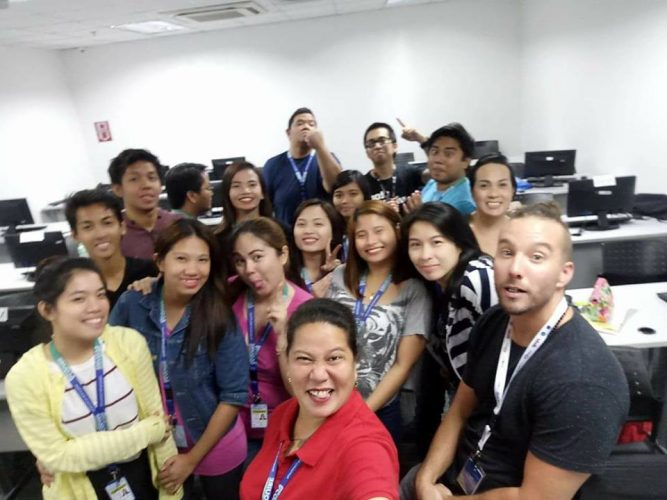
Strong support from the government
The Philippine government has backed the BPO industry in clear ways. For example, it shapes education around a western curriculum and funds training in marketable skills. So the talent pipeline stays healthy.
The Special Economic Zone Act of 1995 (Republic Act 7916) also helps. It created economic zones that give qualifying firms tax breaks and other incentives. As a result, companies can grow revenue while they avoid heavy costs. Learn more about PEZA incentives, requirements, and locations.
The Technical Education and Skills Development Authority (TESDA) adds further support. It offers short training programs that sharpen speaking, customer handling, and problem-solving skills. So new entrants are ready for BPO roles.
Cultural resemblance to the West
Filipinos are well acquainted with Western culture. The education system follows a western pattern, and the country has deep historical ties to the United States. So Filipinos relate easily to Western humor, trends, and lifestyle.
Political ideas, economic principles, and daily habits often mirror those of the West. In addition, Philippine BPO adapts well across time zones and languages. For this reason, it remains a natural fit for Western businesses. These Filipino traits and values explain much of the sector’s success.

Getting your business started in the Philippines
The steady rise of Philippine BPO points to continued growth. It also gives you access to staff with great social skills and strong performance. So here is what you need to add a Filipino workforce to your operations.
1. Formulate your business plan
First, set your budget, estimates, and market research. Then decide which BPO sub-sector you need. This step also means shortlisting candidate providers, comparing costs and benefits, and setting clear goals. You can choose a physical office or a remote team to handle your tasks.
2. Register your business
Next, register your business name. The Department of Trade and Industry (DTI) handles this for sole proprietorships. Your tax registration runs through the Bureau of Internal Revenue (BIR), which issues your Tax Identification Number (TIN).
If you want to register under a corporation or association, file with the Securities and Exchange Commission (SEC). To locate in an economic zone, register with PEZA, which grants tax breaks for several years. The Board of Investments (BOI) also offers incentives to foreign investors who employ Filipino workers. In addition, third-party agencies can help you register and stay compliant.
3. Get your physical office ready
Metro Manila, Sta. Rosa, Cebu, and Davao are popular BPO locations. So choose a site that is easy for staff to reach. Then decide the office size, the number of seats, and the layout. Once you pick a place, secure a Mayor’s Permit to operate.

4. Know your pillars
It helps to send senior staff from your headquarters to supervise the work now and then. This keeps the process aligned with your standards. If you assign staff from overseas, first secure a working visa for them. Once you trust the local team, you can visit on a regular schedule instead of relocating.
5. Keep a close connection with your offshore staff
Regular calls and clear communication matter for any business. So stay engaged and aware of progress. Filipinos are known for warm social skills and a devoted work style. Once you sign with a credible partner, you simply exchange updates and keep both sides informed. Many firms now pair this with AI-augmented Filipino teams to win larger global contracts.
Recruitment and outsourcing firms such as Philippine Remote Outsourcing (PRO) screen talent across telemarketing, lead generation, content writing, social media marketing, graphic design, customer service, and admin support. So you can find vetted professionals at a fair price.
6. Reward and acknowledge hard work
Finally, keep your team motivated. Salary reviews, promotions, overtime bonuses, and recognition events all help. In short, pair a results-driven culture with fair rewards, and your team will deliver.
As Richard Branson puts it, “Clients do not come first. Employees come first. If you take care of your employees, they will take care of the clients.”
Final words
Choosing an outsourcing partner is a crucial step that can make or break your plans. Filipinos are known for candor, resilience, productivity, and enthusiasm. So the strong BPO industry, plus steady government support, gives you good reason to build a partnership in the Philippines.
Frequently asked questions about Philippine outsourcing
How big is the Philippine BPO industry?
The IT-BPM sector reached close to $40 billion in revenue in 2025. It also employs about 1.9 million people, according to IBPAP. So it is one of the largest BPO markets in the world.
Why do companies outsource to the Philippines?
Companies choose the Philippines for skilled, English-speaking talent and low costs. In addition, western-style education, cultural fit, and 24/7 service make it easy to work with.
What services can you outsource to the Philippines?
You can outsource customer service, sales, software development, design, animation, and back office tasks. The country also handles finance, transcription, and knowledge process outsourcing.
Where are the main BPO hubs in the Philippines?
Metro Manila leads the market. However, Cebu, Davao, Clark, and Sta. Rosa are also major hubs. So you can build a team in several strong locations.
What government incentives support outsourcing in the Philippines?
PEZA offers tax breaks and other perks to firms in economic zones. The Board of Investments adds further incentives, and TESDA funds training. As a result, the sector keeps a healthy talent pipeline.






 Independent






