
Filipino outsourcing: the formula for trailblazing your business acumen

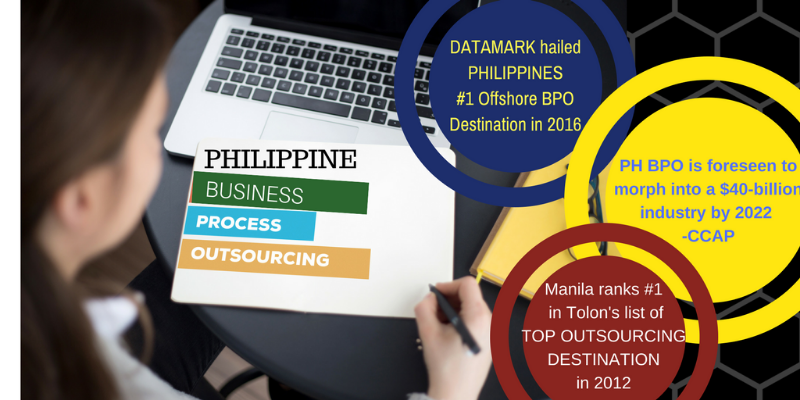
Why is Filipino outsourcing good for your business?
Filipino outsourcing helps your business cut costs and scale fast by tapping a large, skilled, English-speaking workforce known for strong service and a warm work ethic.
- The Philippines offers quality work at a fair price, with talent trained to meet and beat global standards.
- High English proficiency and cultural fit make it easy for Filipino teams to serve Western clients.
- The IT-BPM sector now earns more than US$40 billion a year and employs over 1.9 million people.
Outsourcing is one of the most cost-effective moves a company can make. Thousands of firms worldwide use it to get services close to native-level quality. Still, choosing the right partner can make or break your business. So it pays to understand what the Philippines brings to the table.
Business Process Outsourcing, or BPO, means hiring another firm or person to run tasks that your company cannot easily manage in-house. Examples include call centers, recruitment, and offshore staffing. By handing off these tasks, you can focus on growth without worrying about high costs or low output.

BPO is one of the most profitable sectors in the Philippines and a major driver of the economy. More and more foreign firms pick the country for world-class service. To see where the sector stands, read this overview of the Philippines BPO industry and where it is headed.
The sector shows no signs of slowing down. It now earns more than US$40 billion a year and employs over 1.9 million Filipino professionals. More jobs are added each year, so the talent pool keeps growing. With a workforce known for warmth and skill, your business is in good hands.

The Beauty of Filipino Outsourcing
Unparalleled ability to communicate in English
Filipino BPO services offer quality work, fair prices, and strong skills. In short, it is a smart investment.
During the American colonial era, Filipinos gained a deep grasp of English. Their fluency, paired with a culture close to Western norms, made the country one of the best English-speaking nations in Asia.
The Philippines still ranks among the top English-speaking countries in Asia, with high proficiency in global indexes. This is why Philippine contact centers are trusted for voice work. Voice accounts have long made up the bulk of the industry’s revenue. To learn more, see why Filipino virtual assistants fit global teams so well.

The Philippines’ High Literacy Rate
The country has a high literacy rate of around 97%. So there is no doubt that Filipinos can engage in clear communication. The school system also draws on Western models, which stress broad learning and comprehension. Each year, more than a million graduates enter the workforce. As a result, the pool of skilled professionals keeps the country competitive worldwide.
Cost advantage, magnified results
Foreign employers seek out Filipino talent on freelance platforms and in the corporate world. The reason is simple: skilled service at a fair price. For example, Payoneer has reported that Upwork hosts well over a million Filipino talents, while Freelancer.com lists hundreds of thousands more.
Employers value Filipino staff because they cost less than native English speakers in the US and UK. Beyond the savings, Filipinos are known for world-class work done with real energy. BPO giants such as Accenture and Convergys have trusted Filipino talent for decades, and they keep welcoming more Pinoy workers into their teams.
Invaluable work ethics and warm social skills
Filipinos are raised on respect, hard work, passion, and strong family ties. They carry these values into the workplace, which makes them easy to work with. They are also known for teamwork, empathy, and real effort. In turn, they help create a steady, positive team atmosphere.

Laudable adaptability
Filipinos embrace diversity and treat it as a way to grow. Because of this, they adapt fast to new teams and tools.
The sector keeps expanding too. It now exceeds US$40 billion a year and continues to grow. This growth welcomes more graduates and professionals each year. Cultural ties to the West, strong skills, and a warm nature all make it easy for Filipinos to learn and fit in.
Reduced costs for health insurances and other benefits
Running your own contact center at home can strain your budget. You must handle admin duties and legal risks on your own. Missteps here can cost you dearly.
A Philippine partner can trim these costs. You would not have to pay for health insurance, mandated benefits, and other staff expenses yourself. Instead, you can agree on terms with the provider and let them run the process your way. This is why many buyers explore offshore staffing in the Philippines as a first step.

“The Call Center Capital of the World”- The Philippine BPO Difference
Back in 2013, Transcom Philippines called the country the new Call Center Capital of the World, overtaking India. Even with strong rivals and the rise of AI, the Philippines keeps finding ways to stay competitive. For the wider case, see why the Philippines is a go-to country for business process outsourcing.
Meticulous recruitment processes
Filipino recruitment is a strict, careful process. It aims to hire the best fit for each role. Tests cover listening, speaking, grammar, logic, and problem solving, followed by interviews. As a result, contact centers build a credible workforce. Many firms now add recruitment process outsourcing to scale hiring even faster.
Applicants are screened and sorted by skill and test results. Then they get solid training to sharpen their skills. So the workforce keeps growing in both size and quality.
Holistic skills training
The Technical Education and Skills Development Authority (TESDA) offers short courses for call center hopefuls. The program sharpens grammar, intonation, and pronunciation. It also builds familiarity with Western culture and customer service skills.
On top of this, BPO firms run their own training for new hires. They cover communication, culture, product details, and call handling. Skilled trainers lead these sessions, so staff are ready before they start work.

Filipino accent neutrality
Industry groups in India have noted a large drop in outsourcing market share over the years. One key reason is that foreign investors favor the Philippines for its accent neutrality, lower labor costs, and government support.
With a neutral accent, Filipino agents can run clearer calls and keep customers happy. Investors rely on Philippine teams for customer support, technical help, banking, and finance. In the end, Filipino outsourcing helps clients grow, lift output, and build a strong brand. Many of these gains show up in call center services in the Philippines.
Finding the right outsourcing partner
Choosing a provider can be hard, since there is a lot to weigh. So take time to compare your options before you commit.
Procurement costs
Get a quote from each firm on your shortlist and compare them. Go through the terms, benefits, and packages they offer. Then see how well each one fits your needs.
Credibility
It takes effort, but you must check a firm’s track record. This helps you avoid scams and poor service. Look into the firm’s history, social media, and staff reviews to see who you can trust.
The Source, our blog, hosts many useful articles on Philippine outsourcing. These pieces give you a full view of what Filipino professionals can offer your business.
Capacity
Can the firm meet your need for staff, onshore or offshore? Will they handle specific tasks and screen candidates with care? Also ask how they respond to challenges, and check for a proven track record. Most remote firms handle recruitment, while some also offer talent development and training.
Virtual Staff Finder, known as VSF, is one of the best remote outsourcing firms in the Philippines. Led by Chris Ducker and founded in 2010, VSF has helped thousands of entrepreneurs connect with skilled Filipino talent. With a careful hiring process, VSF has powered growth for many businesses.

Outsourcing can be a smart choice when you pick the right partner. Trust starts with a strong working relationship, and so do output and efficiency. So take the time to choose well, and watch your business reach its full potential with Filipino talent.
About the Author
Celine Kate Trinidad is a writer who covers business, medicine, law firms, real estate, search engine optimization, digital marketing, and e-commerce.
Frequently asked questions about Filipino outsourcing
What services can I outsource to the Philippines?
Common services include customer service, technical support, and back-office work. Many firms also outsource IT, accounting, and recruitment. In short, both voice and non-voice roles are well covered.
How much can I save with Filipino outsourcing?
Savings vary by role and provider, but costs often run well below Western rates. You also save on benefits, office space, and admin. So the total savings can be large over time.
Why is the Philippines strong in English?
English is an official language and the main medium of instruction in schools. As a result, agents speak with a neutral accent that customers abroad find easy to follow. This helps drive clear, friendly service.
How do I pick a good outsourcing partner?
Compare quotes, check track records, and read staff reviews. Ask how each firm screens and trains its people. Then choose the one that best fits your needs and budget.
Is the Philippine BPO industry still growing?
Yes. The sector now earns more than US$40 billion a year and keeps adding jobs. It employs over 1.9 million people today. So the talent pool stays deep and stable.






 Independent






